

You finally have the backyard of your dreams — a beautiful pool, warm evenings ahead, and the promise of endless relaxation. You picture yourself unwinding after a long day, stepping into perfectly warm water as the sun sets. But as the cooler months creep in, the water temperature starts to dip, and suddenly your pool sits untouched.
You are left with two options: wait for summer to return and let your investment sit idle, or invest in a pool heater that extends your swimming season all year long. If you choose the smarter route and decide to heat your pool, we strongly recommend a heat pump pool heater. They deliver outstanding value, remarkable efficiency, and dependable performance.
Once you go down that path, the next question inevitably comes up: "What size heat pump do I actually need for my pool?" This guide walks you through everything you need to know so you can make a confident, well-informed decision — and the cost may be far less than you expect.
What Is a Heat Pump Pool Heater?
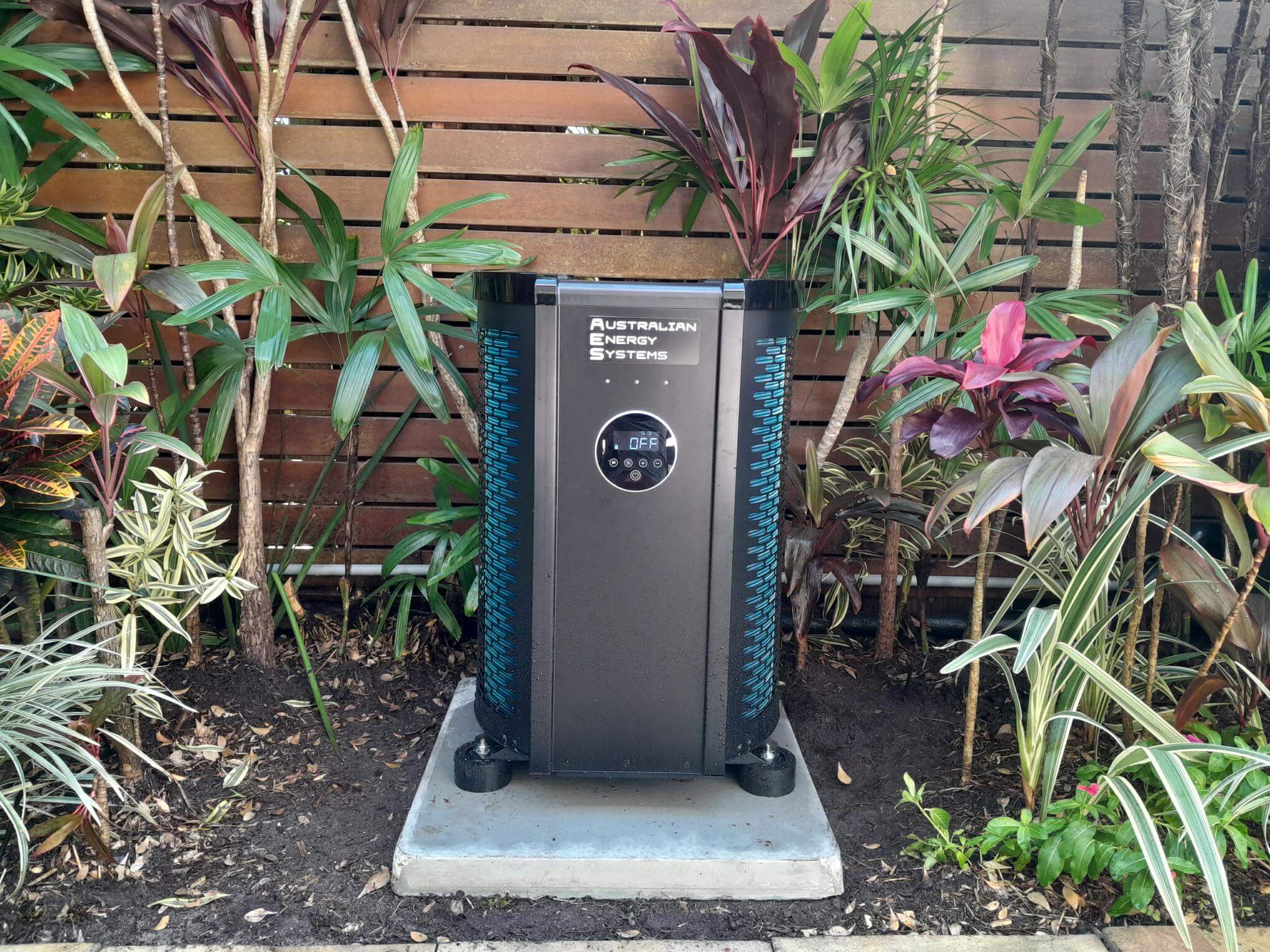
Think of a heat pump pool heater as an air conditioner running in reverse. Rather than pulling warm air out and replacing it with cool air, a pool heat pump captures warmth from the surrounding air and channels it directly into your pool water. It is an elegantly simple process that produces outstanding results.
Unlike gas-powered heaters that burn through fuel for rapid bursts of heat, pool heat pumps take a gradual, steady approach. They draw significantly less electricity and cost far less to operate over time. This is exactly why heat pumps consistently earn the highest Coefficient of Performance (COP) ratings among all pool heating options. In fact, virtually every hotel with a heated pool relies on heat pump technology to keep their operating costs manageable.
Research from the U.S. Department of Energy has reinforced this, recommending heat pumps as the top-performing and most energy-efficient method for pool heating. Following that endorsement, heat pump sales in states like Florida surged dramatically, with major hotel chains racing to adopt the technology and cut thousands from their annual heating budgets.
Why Is Pool Heat Pump Sizing Important?
Pool heat pumps operate on electricity — whether that comes from your local power grid or a solar panel system. Because they rely on electrical power rather than combustion, they warm your pool more gradually than a gas heater. This makes choosing the correct size absolutely critical.
Heat pump capacity is measured in BTUs, or British Thermal Units. This rating tells you exactly how much heating power a unit can deliver. Most pool heat pumps fall in the range of 50,000 to 150,000 BTUs. Smaller or above-ground pools may do perfectly well with a 50,000 BTU unit, while larger in-ground pools will naturally require something more powerful.
Pro Tip from Backyard Provider:
When selecting a pool heat pump, always choose a model rated slightly above your calculated BTU requirement. Here is why that matters:
1. It heats your pool faster than a unit that barely meets the minimum.
2. A larger unit runs with less strain and operates more efficiently.
3. Reduced operating time translates into real savings on your electricity bill over time.
Beyond BTU ratings, several environmental factors play a role in your final decision. Let us walk through the key considerations.
How To Size a Pool Heat Pump
Several variables influence how effectively a heat pump warms your pool — including your pool's total volume, the average outdoor air temperature in your area, local humidity levels, and typical wind exposure. When you select the right-sized unit, these external factors become far less impactful on maintaining your ideal water temperature.
The Quick Reference Method
The chart below provides a general guideline for matching your pool volume to the recommended heat pump output. Use this as a starting point to estimate which BTU rating suits your pool.
| Pool Volume (Gallons) | Recommended BTU Output |
|---|---|
| 10,000 | 50,000 |
| 15,000 | 90,000 |
| 20,000 | 120,000 |
| 25,000+ | 140,000+ |
As an example, if your pool holds around 16,000 gallons and you opt for a 120,000 BTU heat pump, you would be making a smart, forward-thinking choice. Your water will reach the desired temperature noticeably faster, and the heat pump will not need to run as long — saving you energy and money over time.

Sizing Considerations to Keep in Mind
If you are still weighing your options, here are some important questions to ask yourself before making a final decision:
How quickly do you need to heat your pool?
Heat pump BTU output ranges from 50,000 all the way up. The higher the BTU rating, the faster your pool reaches the ideal temperature. Choosing a conservatively sized unit means longer wait times compared to selecting a slightly larger model.
What is your target water temperature?
Most pool owners prefer water temperatures between 80°F and 86°F. A heat pump that is too small may struggle to reach or maintain your preferred temperature, especially during cooler stretches. Opting for a slightly more powerful unit ensures consistent comfort.
Additional Pool Heating Tips
Once you have the right heat pump in place, maintaining your water temperature efficiently will keep your energy costs low. Here are some practical recommendations from our team:
How often do you use the pool?
Try to keep your pool uncovered for no more than a couple of hours at a time. If you swim for extended periods, keep in mind that heat is escaping, and your heat pump will need to work a bit longer to restore the temperature. A quality pool cover makes a significant difference here.
What time of year do you swim?
Heat pumps perform at their best in warmer ambient temperatures. In milder climates, they can run effectively year-round. During the coldest winter weeks, however, expect to run your heater for several days to bring the water up to a comfortable swimming temperature. Planning ahead pays off.
What is your budget?
Heat pumps cost significantly less to operate than gas pool heaters — often running at half the expense or even less. While the upfront investment may be slightly higher, the long-term savings are substantial. Over the lifespan of the unit, a gas heater ends up costing far more than a heat pump.
Featured Product
Ready to Heat Your Pool the Smart Way?
The Blue Torrent Pool Heat Pump delivers 110,000 BTUs of efficient heating power — enough to keep pools up to 25,000 gallons perfectly warm all season long.
Blue Torrent 110K BTU Heat PumpSelecting the right pool heat pump does not have to be complicated. Focus on your pool's volume, think about your local climate, and always lean toward a unit with a bit more capacity than the bare minimum. Your wallet and your swimming comfort will both thank you in the long run.