

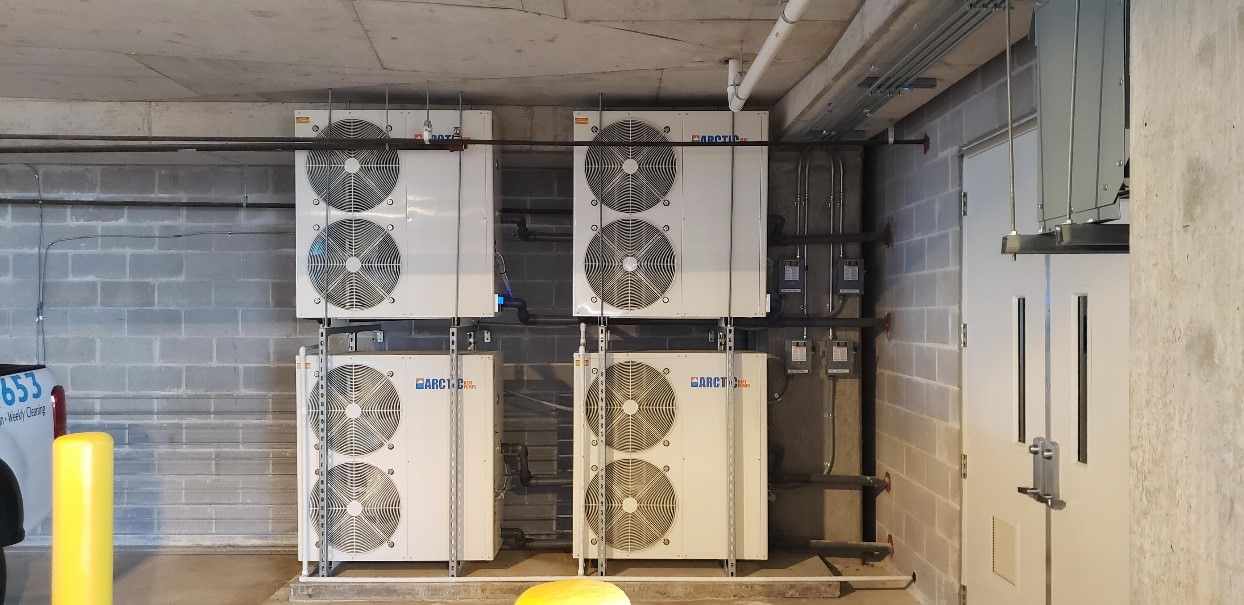
Selecting the ideal pool heat pump isn't just about picking the first unit you come across on sale. It's a calculated decision that involves understanding your pool's volume, where you live, and the kind of temperatures you're trying to maintain. Get it wrong, and you'll face skyrocketing energy bills or a pool that never quite reaches comfortable temperatures. Get it right, and you'll enjoy a warm, inviting pool for years without breaking the bank.
This guide walks you through everything — from how pool heat pumps actually work to the exact formula you need to find the right size for your setup. Whether you're heating a small lap pool or a large backyard oasis, this is the only resource you'll need in 2026.
1. Why Getting the Right Pool Heat Pump Size Actually Matters
Making the decision to install a pool heat pump is a smart move — but only if you choose the correct size for your specific pool. Going too small means your unit will struggle to keep up, running constantly and burning through electricity without ever reaching a comfortable temperature. Going too big is a waste of money upfront with no real benefit.
Here's what proper sizing gets you in 2026:
✦ Peak Efficiency: An undersized pump works overtime, killing your COP (Coefficient of Performance) and shortening its lifespan. The right size runs in smooth, efficient cycles.
✦ Significant Cost Savings: Modern pool heat pumps are engineered to save up to 75% on energy costs compared to traditional gas heaters — but only when they're correctly matched to your pool.
✦ Year-Round Performance: Planning to swim in the cooler months? You'll need a unit designed for lower ambient temperatures, not just a standard summer pump.
2. The Three Critical Factors: Pool Size, Climate Zone & Heat Loss
A. Pool Volume & Surface Area
Larger pools demand more BTUs (British Thermal Units) to raise the water temperature. As a general benchmark, every additional degree of temperature increase requires more energy proportional to the total water volume. That's why knowing your exact pool dimensions is the starting point for any sizing calculation.
The risk of undersizing: If your heat pump doesn't match the pool volume, it might hold temperature on a warm day but completely fail during a cold snap or overnight temperature drop. Surface area also matters — a wide, shallow pool loses heat faster than a narrow, deep one.
B. Your Local Climate Zone
Pool heat pumps extract warmth from the surrounding air — so the outside temperature directly impacts how well your unit performs. This is perhaps the most overlooked factor when homeowners shop for a heat pump.
Warm climates (Florida, Arizona, Southern California): Standard heat pumps work efficiently here with minimal issues.
Cold climates (Canada, Northern US): You need a cold-climate pool heat pump specifically built to operate when air temperatures drop below 40°F (4°C). Standard models often shut down or lose significant output in these conditions.
C. Heat Loss & Insulation
Up to 75% of your pool's heat escapes through evaporation at the water's surface. Wind, humidity, and nighttime temperature drops all accelerate this process. Without addressing heat loss, even the most powerful heat pump will work harder than it needs to.
Pro Tip: Always invest in a quality pool cover. A cover acts as a thermal barrier, trapping heat and dramatically reducing evaporation. With a good cover, you may even be able to go with a slightly smaller (and more affordable) heat pump while still keeping your pool at the same comfortable temperature.
3. Quick Selection Guide: Which Pool Heat Pump Do You Need?
To simplify the decision, here's a breakdown based on common pool types and their recommended heat pump specifications for 2026:
Featured Product
Power Your Pool the Smart Way
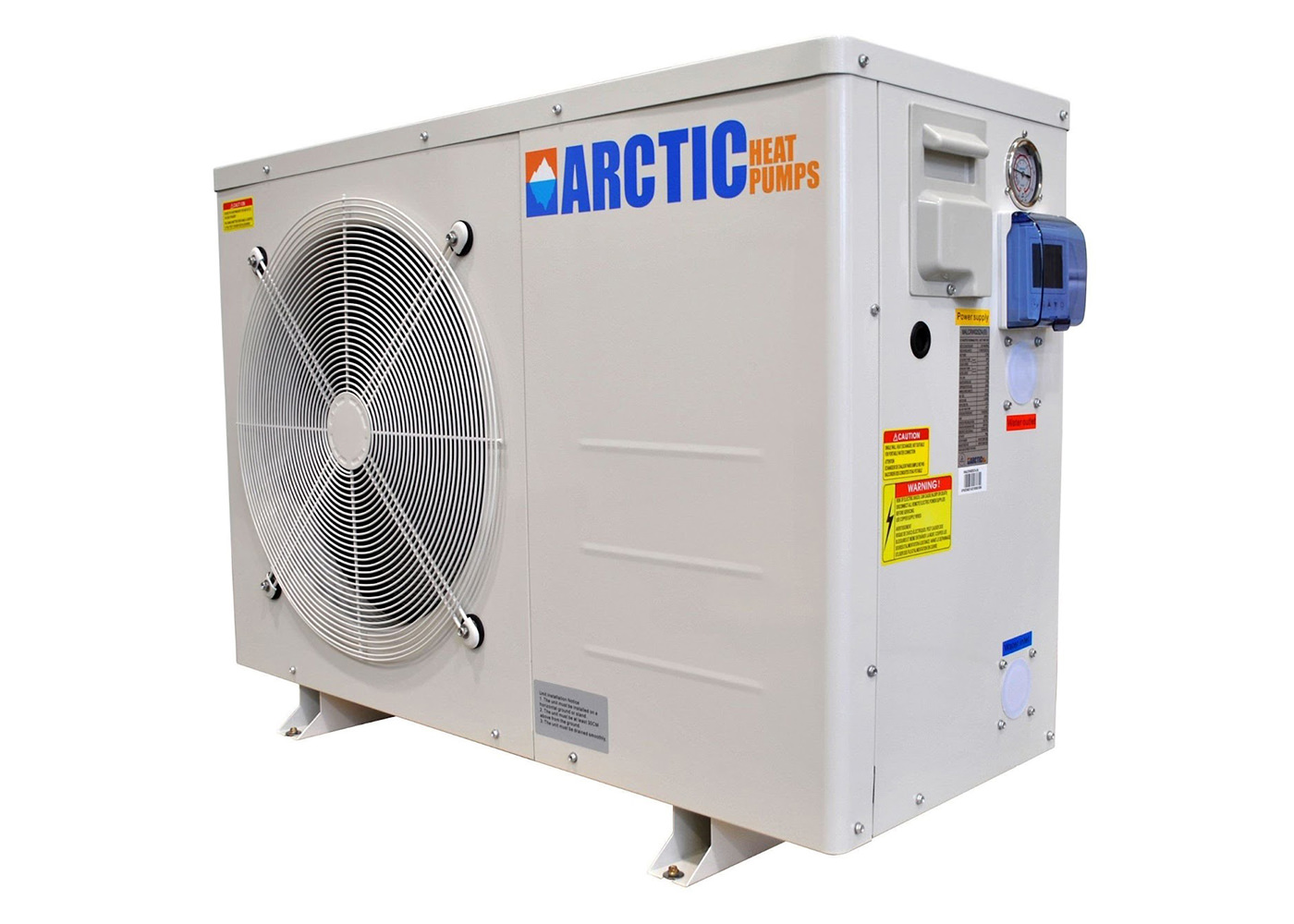
High-efficiency heating for pools up to 25,000 gallons — built to save energy without sacrificing performance.
Blue Torrent Pool Heat Pump 110K BTU4. How to Size Your Pool Heat Pump (The Formula)
While online sizing tools can help, it's useful to know how to estimate the right size manually. Here's a straightforward approach you can do yourself:
Step 1 — Calculate Surface Area: Multiply your pool's length by its width (in feet) to get the surface area in square feet.
Step 2 — Calculate Pool Volume: Multiply the surface area by the average depth, then multiply by 7.5. This gives you the total volume in gallons.
Step 3 — Estimate Required kW: A widely accepted rule of thumb is to divide your pool volume in gallons by 2,500. The result is the approximate kW output your heat pump should deliver.
Example: A 25,000-gallon pool ÷ 2,500 = ~10 kW heat pump required (minimum).
5. Installation Tips for Maximum Efficiency
Even a perfectly sized heat pump will underperform if it's not installed correctly. Follow these essential 2026 guidelines to get the most out of your investment:
Airflow Is Everything
Heat pumps need to breathe. Maintain at least 12 inches of clearance from walls and ensure nothing obstructs the fan discharge area.
Plumbing Placement
Install the heater after the filter but before any chlorinators or chemical feeders. This protects internal components from corrosion.
Keep It Close
Position the unit as near to the pool pump and filter as possible. Shorter pipe runs mean less heat loss and better overall performance.
6. The Cost-Benefit Analysis (ROI)
Is the initial investment justified? Here's a realistic breakdown of the numbers:
$2,000–$5,000
Average Installed Cost
$1,000–$2,000
Annual Savings vs Gas
< 2 Years
Typical Payback Period
Once you've hit that payback period, the savings go straight into your pocket for the remaining 15 to 20 years of the unit's lifespan. That's potentially $15,000–$40,000 in total savings over the life of a single heat pump.
Conclusion
Finding the perfect pool heat pump comes down to balancing three things: your location, your pool's dimensions, and your budget. There's no one-size-fits-all answer, but there is a right answer for your specific situation.
Stop guessing and start calculating. A high-efficiency pool heat pump matched to your climate zone and pool volume means comfortable swimming year-round — while keeping your energy costs firmly under control. Your backyard paradise is closer than you think.
Frequently Asked Questions (FAQs)
Can I use a smaller heat pump if I live in a warm climate?
In warmer regions, the air provides more ambient heat, meaning the pump doesn't need to work as hard. However, if you want to swim beyond the summer months or extend your season into fall and spring, you should still size the unit based on the coldest month you plan to use the pool. A slightly undersized unit may work during peak summer but will struggle once temperatures dip.
Do I really need a pool cover with a heat pump?
Absolutely. A pool cover is the single most cost-effective accessory you can pair with a heat pump. Since the majority of heat loss happens through evaporation at the surface, a cover dramatically reduces the workload on your pump — which translates directly to lower energy bills and a longer equipment lifespan.
What's the difference between a pool heater and a pool heat pump?
A traditional pool heater burns gas (natural gas or propane) to generate heat directly. A heat pump, on the other hand, works more like a reverse air conditioner — it pulls heat from the surrounding air and transfers it to your pool water. Heat pumps are significantly more energy-efficient, typically using 75% less energy than gas heaters, making them the preferred choice for homeowners focused on long-term savings.