

What Defines a Marine Battery?
Marine batteries are specially engineered power sources designed to withstand the harsh conditions found in aquatic environments. Unlike standard automotive batteries, these robust units are built to handle constant vibration, moisture exposure, and the demanding power requirements of watercraft operations.
The marine environment presents unique challenges that require batteries with enhanced durability and performance characteristics. These batteries feature reinforced construction to resist the pounding waves and choppy waters that would quickly damage ordinary batteries.
Starter Batteries Explained
Starter batteries, also referred to as cranking batteries, serve one primary function: delivering powerful, short bursts of energy to start your boat's engine. These batteries excel at providing high amperage for brief periods, making them ideal for engine ignition.
Think of starter batteries as sprint runners rather than marathon athletes. They're designed with numerous thin lead plates that maximize surface area, enabling them to discharge large amounts of power instantaneously. Once your engine roars to life and the alternator takes over, the starter battery's job is essentially complete until the next ignition cycle.
The specialized construction of starter batteries makes them unsuitable for prolonged discharge applications. Using a starter battery to power accessories for extended periods can cause permanent damage and significantly reduce its lifespan.
Deep Cycle Batteries: The Endurance Champions
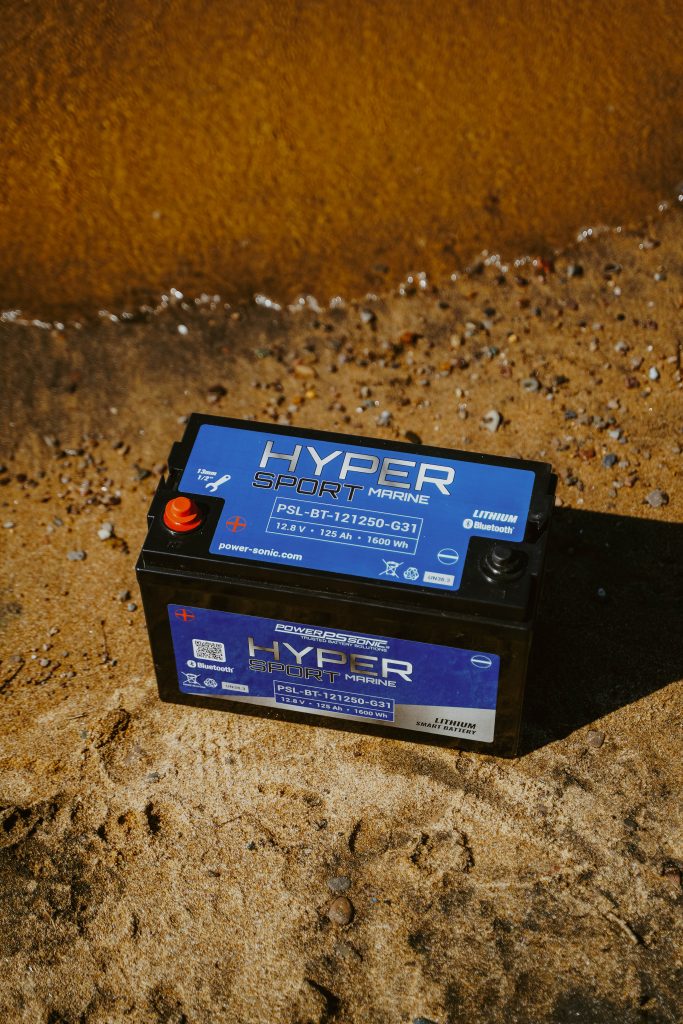
In contrast to starter batteries, deep cycle batteries are engineered for sustained, steady power delivery over extended timeframes. These workhorses are the perfect choice for running trolling motors, fish finders, live wells, marine electronics, lighting systems, and other onboard accessories that require consistent energy throughout your boating excursion.
Deep cycle batteries feature thicker, more robust lead plates compared to starter batteries. This heavier construction allows them to be discharged to much lower levels repeatedly without suffering damage—a process that would quickly destroy a starter battery. Many deep cycle batteries can safely discharge up to eighty percent of their capacity hundreds of times.
These batteries are measured in amp-hours, which indicates how much current they can supply over a specific duration. A battery rated at one hundred amp-hours can theoretically provide five amps for twenty hours, or twenty amps for five hours, before requiring recharge.
Dual Purpose Batteries: Best of Both Worlds
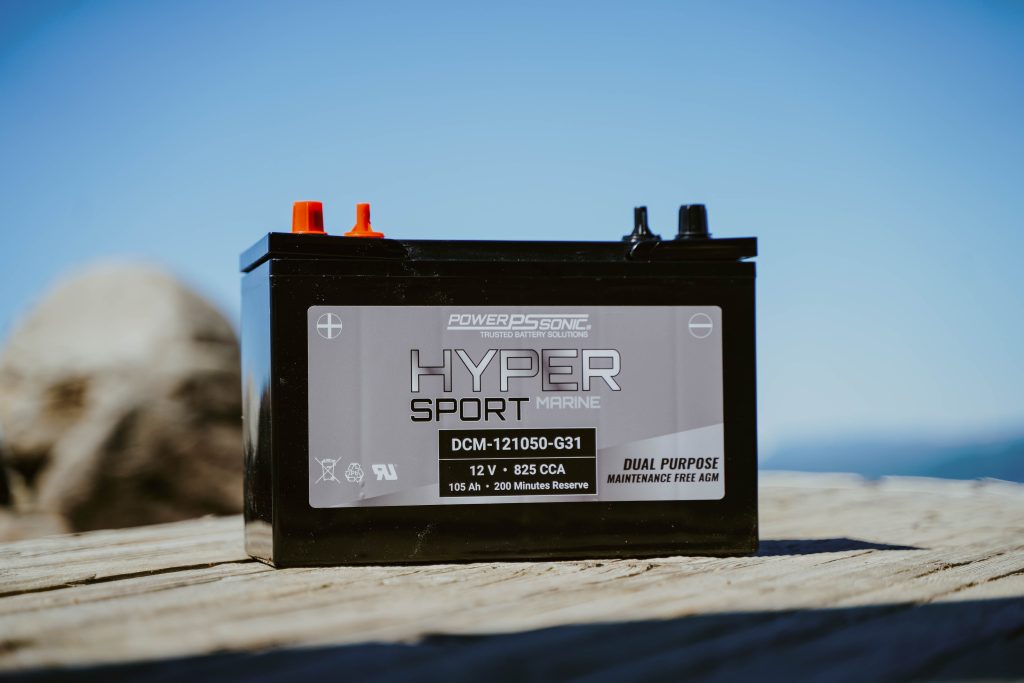
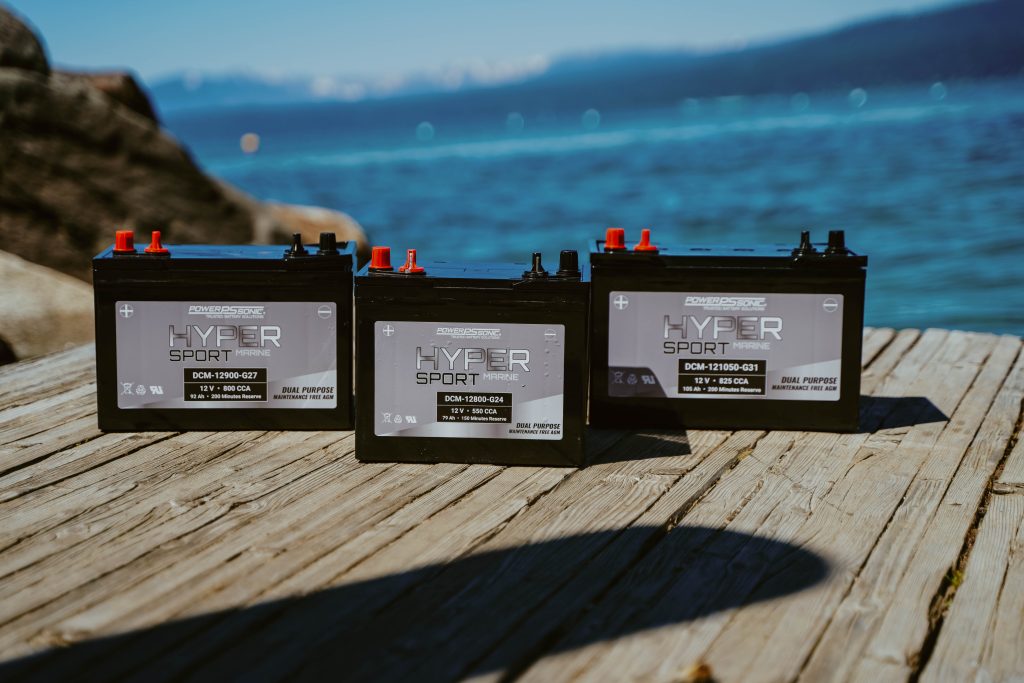
As the name suggests, dual purpose batteries attempt to bridge the gap between starter and deep cycle capabilities. These versatile units can deliver the high cranking power needed for engine starts while also providing reasonable sustained energy for accessories and electronics.
Dual purpose batteries represent a compromise solution. While they can handle both starting and cycling duties, they don't excel at either function quite as well as dedicated starter or deep cycle batteries. However, for smaller boats with limited space or modest power requirements, dual purpose batteries offer a practical all-in-one solution that eliminates the need for multiple battery installations.
These batteries work particularly well for recreational boaters who run minimal electronics and need a single battery that can start the engine and power a fish finder or radio for a few hours on the water.
Understanding the Key Differences
The fundamental distinctions between these battery types stem from their internal construction and intended applications. Starter batteries prioritize instantaneous power delivery through thin plate design and high surface area. Deep cycle batteries emphasize longevity and discharge depth through thicker, more durable plates. Dual purpose batteries split the difference with moderate plate thickness.
Another critical difference involves recharge characteristics. Starter batteries recharge quickly from shallow discharges, while deep cycle batteries require longer charging periods but can recover from much deeper discharge levels. Understanding these charging requirements helps prevent battery damage and ensures maximum service life.
Reserve capacity is another important specification, especially for deep cycle and dual purpose batteries. This measurement indicates how many minutes a fully charged battery can deliver a specific amperage before voltage drops to unusable levels. Higher reserve capacity translates to longer runtime for your accessories.

Selecting the Right Battery for Your Needs
Choosing the appropriate marine battery depends on your specific boating activities and power requirements. For most larger boats, the optimal setup involves using separate starter and deep cycle batteries—one dedicated to engine ignition and another handling all accessory loads.
This dual-battery configuration ensures you'll always have starting power available, even if you drain your accessories battery during an extended fishing session or while anchored overnight. Many boaters use battery isolators or switches to prevent accidentally discharging the starter battery when running accessories.
For smaller watercraft like kayaks, canoes, or inflatable boats with minimal electronics, a single dual purpose battery often provides sufficient power. Consider your typical time on the water, the number and type of accessories you operate, and whether you need reliable starting power after hours of fishing or cruising..
Expected Battery Lifespan and Maintenance
Marine battery longevity varies significantly based on type, usage patterns, and maintenance practices. Properly maintained starter batteries typically last three to five years with regular use. Deep cycle batteries, when correctly charged and not excessively discharged, often provide four to six years of reliable service.
Several factors influence battery life expectancy. Frequent deep discharges shorten deep cycle battery life, while leaving batteries in partially discharged states promotes sulfation and capacity loss. Temperature extremes also impact performance—both excessive heat and freezing conditions accelerate battery degradation.
Implementing a proper maintenance routine dramatically extends battery life. Keep terminals clean and corrosion-free, ensure secure mounting to minimize vibration, maintain proper fluid levels in flooded batteries, and use appropriate chargers designed for marine batteries. Never allow batteries to sit discharged for extended periods.
Charging Your Marine Batteries Correctly
Proper charging techniques are essential for maximizing marine battery performance and longevity. Always use marine-rated battery chargers that match your battery type and chemistry. Modern smart chargers automatically adjust charging rates and prevent overcharging, which can damage batteries and shorten their lifespan.
Deep cycle batteries particularly benefit from multi-stage charging that includes bulk, absorption, and float phases. This charging profile ensures complete recharge while preventing plate damage from excessive gassing. Many boaters invest in onboard charging systems that automatically maintain batteries during storage periods.
When storing your boat during off-season, disconnect batteries or use a maintenance charger to keep them at optimal charge levels. A fully charged battery resists freezing far better than a discharged one, preventing cold-weather damage.
Advanced Marine Battery Technologies
While traditional flooded lead-acid batteries remain popular due to their affordability, newer technologies offer compelling advantages for marine applications. Absorbed Glass Mat batteries, commonly called AGM batteries, eliminate free-flowing electrolyte and can be mounted in any orientation without spillage concerns.
AGM batteries charge faster, discharge deeper, and resist vibration better than conventional flooded batteries. They're completely sealed and maintenance-free, making them ideal for difficult-to-access installations. Though more expensive initially, their superior performance and longer lifespan often justify the investment for serious boaters.
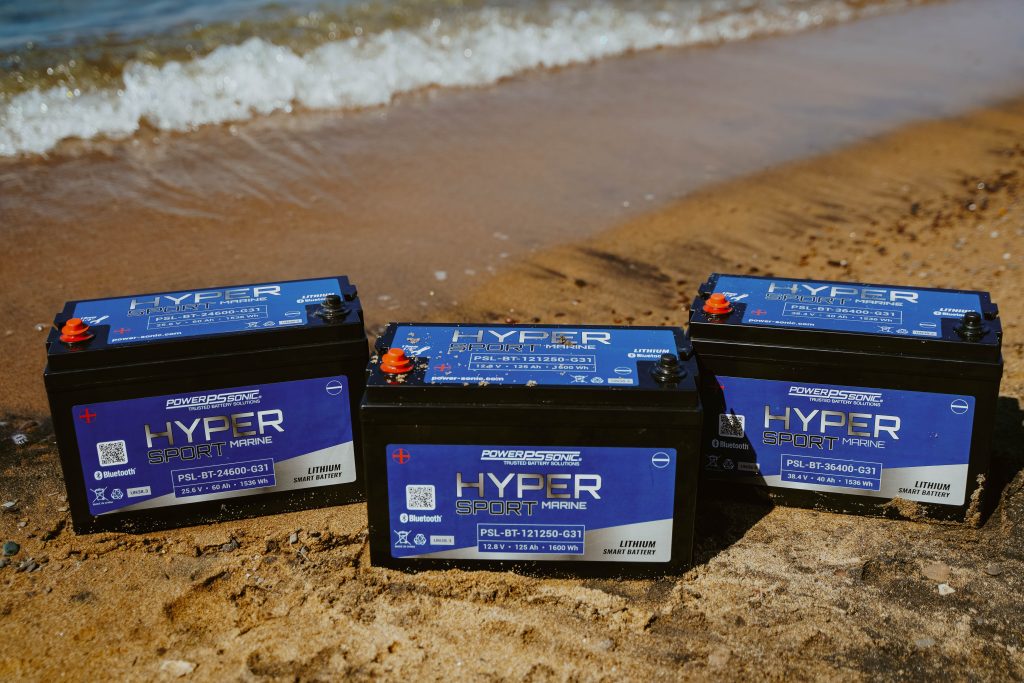
Lithium-ion marine batteries represent the cutting edge of battery technology, offering exceptional power density, incredibly long cycle life, and dramatic weight savings compared to lead-acid alternatives. While their premium price point makes them less common, lithium batteries are becoming increasingly popular for tournament anglers and performance boaters seeking every advantage.
Marine Battery Safety Guidelines
Marine batteries contain potentially hazardous materials and generate explosive gases during charging, making safety precautions essential. Always ensure adequate ventilation around battery compartments to prevent dangerous hydrogen gas accumulation. Install batteries in secure, vibration-resistant boxes or trays that prevent movement during rough water conditions.
Wear protective eyewear and gloves when handling batteries or working with battery terminals. Battery acid can cause severe burns if it contacts skin or eyes. Keep a baking soda solution nearby to neutralize any acid spills. Never smoke or create sparks near batteries, especially during charging operations.
Connect and disconnect batteries in the proper sequence to avoid dangerous sparks. When installing, connect the positive terminal first, followed by the negative ground. When removing, disconnect the negative terminal first. Use properly rated marine-grade cables and connections to handle the high currents marine batteries can deliver.
Power Your Water Adventures with Premium Marine Batteries
Equip your watercraft with reliable, high-performance battery solutions designed for the demanding marine environment.
Bixpy PP-378 Outboard BatteryMaking Your Final Decision
Selecting the right marine battery ultimately depends on understanding your specific power needs and boating patterns. Starter batteries excel at engine ignition but fail at sustained power delivery. Deep cycle batteries provide extended runtime for accessories but lack the instantaneous cranking power for reliable starts. Dual purpose batteries offer compromise performance suitable for smaller craft with modest requirements.
For most boaters, the ideal solution involves installing separate dedicated batteries for starting and house loads. This configuration ensures you'll never be stranded with a dead starter battery after enjoying your electronics all day. Budget-conscious boaters with limited space might find dual purpose batteries adequate for their needs.
Whatever battery type you choose, proper maintenance and charging practices will maximize performance and longevity. Invest in quality marine-rated batteries from reputable manufacturers, use appropriate charging equipment, and follow recommended maintenance schedules. With proper care, your marine batteries will provide years of reliable service, keeping you on the water enjoying the activities you love.
Understanding marine battery types empowers you to make informed decisions that enhance your time on the water. Whether you're fishing at dawn, cruising at sunset, or anchoring overnight, the right battery ensures your watercraft performs flawlessly every time you cast off.