

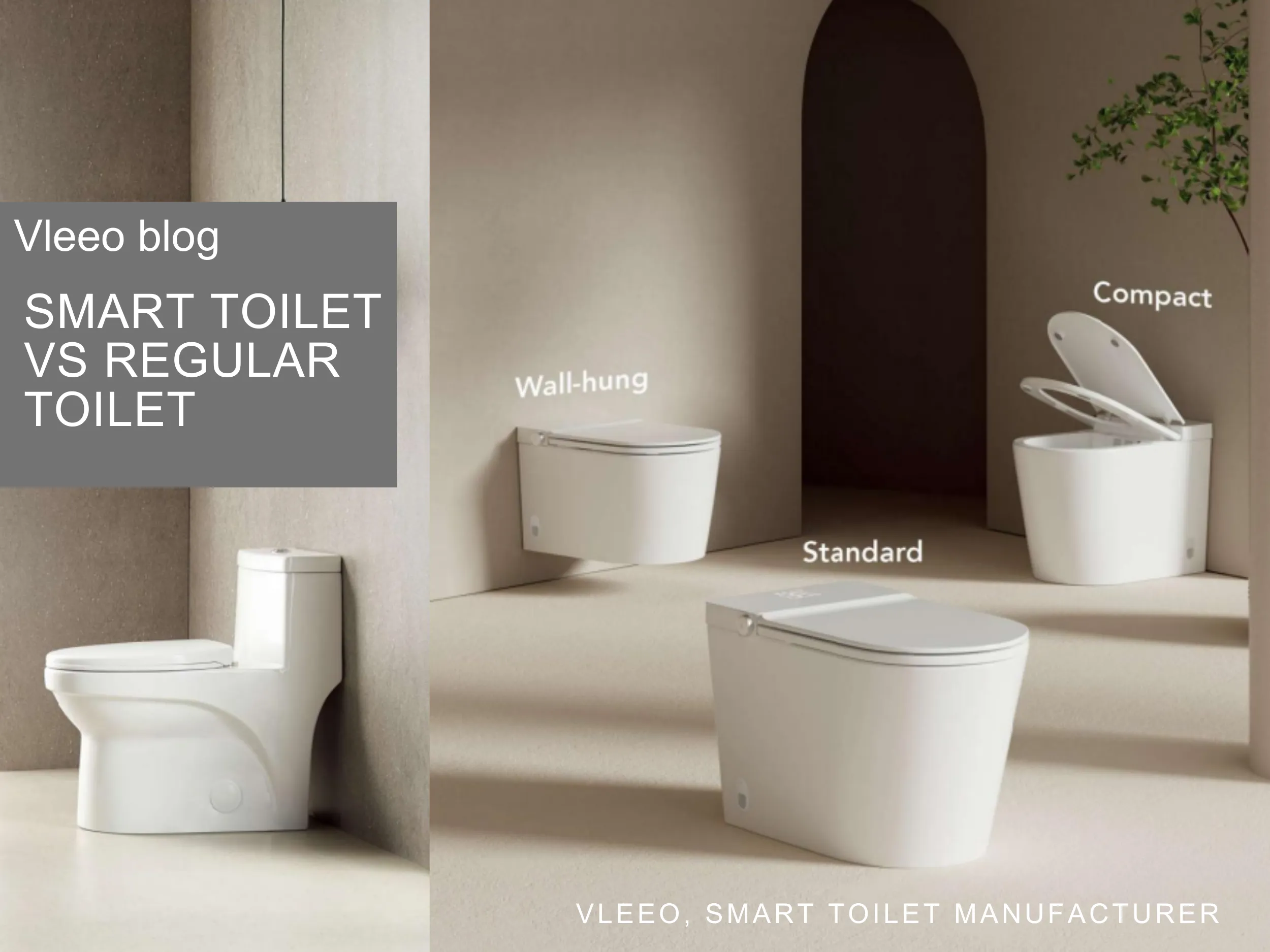
Smart Toilet vs Regular Toilet — Which One Fits Your Needs?
When it comes to bathroom upgrades, the debate between smart toilets and traditional toilets has become increasingly relevant. Whether you're a homeowner seeking modern convenience, a business owner upgrading commercial restrooms, or an importer evaluating market potential, understanding the differences between these two options is essential.
The decision extends beyond mere aesthetics — it encompasses functionality, cost efficiency, environmental impact, and long-term value. This comprehensive guide will walk you through everything you need to know to make an informed decision.
What Exactly Is a Smart Toilet?
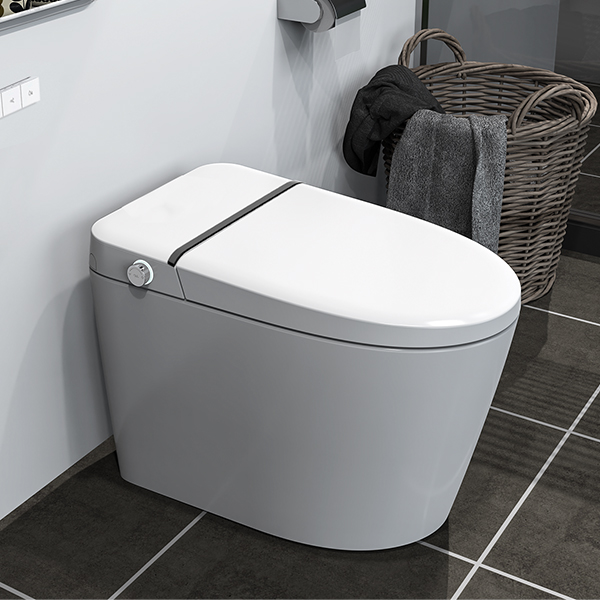
A smart toilet represents the pinnacle of bathroom technology, combining traditional functionality with advanced electronic features designed to enhance comfort, hygiene, and convenience. These innovative fixtures typically include:
Automated Bidet Functions
Adjustable water pressure, temperature control, and oscillating spray patterns for superior cleanliness
Heated Seating
Multiple temperature settings for year-round comfort, especially beneficial during colder months
Automatic Flushing
Touchless operation with motion sensors, reducing germ transmission and improving hygiene
Air Drying System
Warm air dryers that eliminate the need for toilet paper, promoting sustainability
Deodorization
Built-in air purification systems that neutralize odors automatically
Night Lighting
Soft LED illumination for safe nighttime navigation without harsh overhead lights
What Is a Regular Toilet?
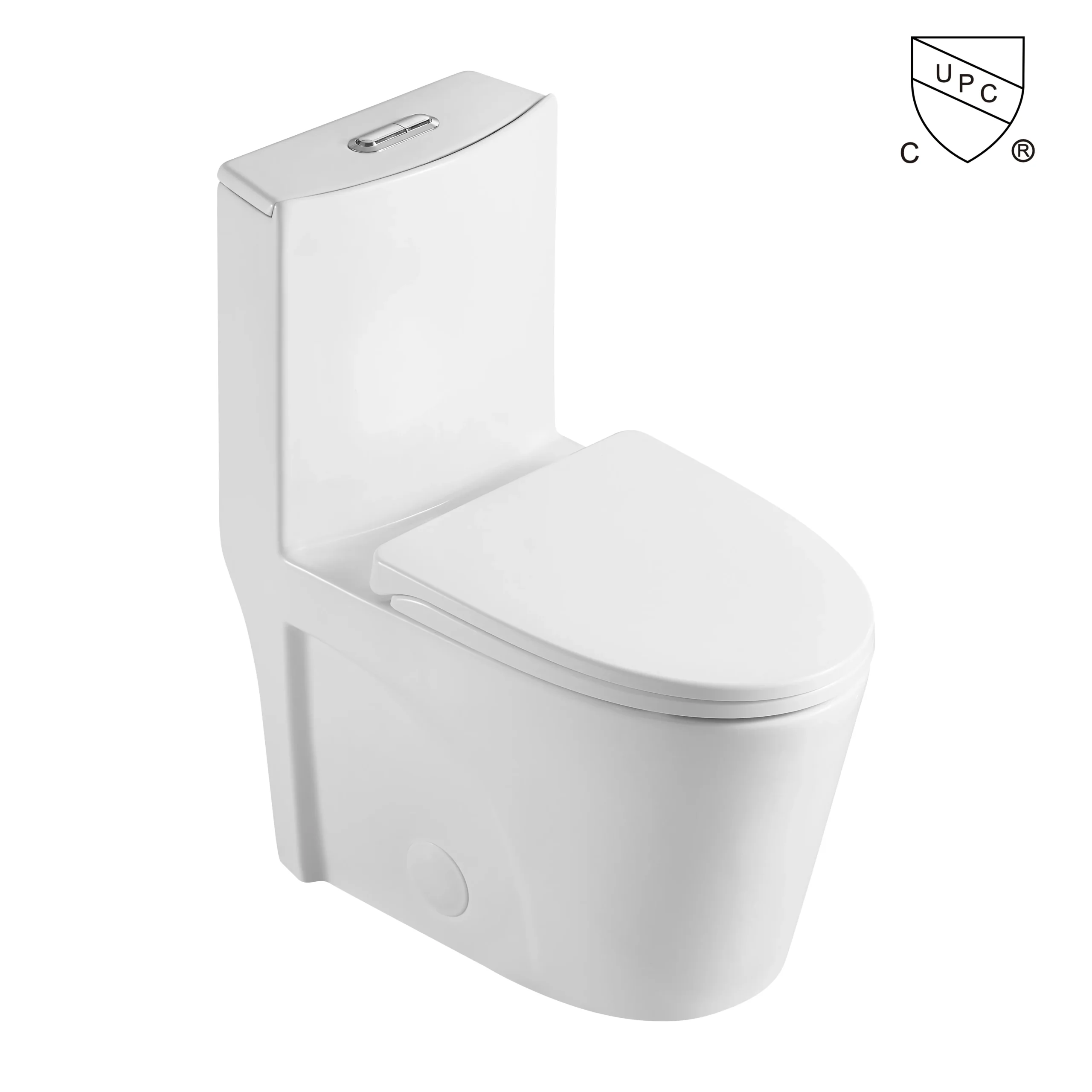
A regular toilet, also known as a conventional or traditional toilet, is the standard fixture found in most homes and commercial buildings worldwide. These time-tested units operate through straightforward mechanical systems without electronic components.
Standard toilets come in several configurations including two-piece designs (separate tank and bowl), one-piece units (integrated tank and bowl), and wall-mounted options. They rely on gravity-fed or pressure-assisted flushing mechanisms to effectively remove waste.
While they lack the technological sophistication of smart toilets, conventional models have proven their reliability over decades and remain the most widely installed toilet type globally due to their affordability, ease of maintenance, and straightforward installation requirements.
Smart Toilet vs Regular Toilet — Head-to-Head Comparison
Advantages of Smart Toilets
✓ Superior Hygiene Standards
Integrated bidet systems provide thorough cleaning that surpasses traditional toilet paper, reducing bacterial presence and promoting better personal hygiene.
✓ Enhanced Comfort Experience
Features like heated seats, warm water washing, and air drying transform routine bathroom visits into comfortable experiences.
✓ Water Conservation
Advanced flushing technology uses significantly less water per flush while maintaining powerful waste removal capabilities.
✓ Accessibility Benefits
Automatic features assist elderly users and individuals with mobility challenges, promoting independence in personal care.
✓ Property Value Enhancement
Modern smart bathroom fixtures can increase home appeal and resale value, particularly in luxury and tech-forward markets.
Considerations When Choosing Smart Toilets
Higher Initial Investment
Premium smart toilets can cost several thousand dollars, significantly more than standard options.
Electrical Dependency
Requires a nearby electrical outlet and will lose advanced features during power outages.
Complex Repairs
Electronic components may require professional technicians for diagnosis and repair.
Learning Curve
Multiple features and remote controls may be overwhelming for some users initially.
Advantages of Regular Toilets
Budget Friendly
Affordable purchase price makes bathroom renovations accessible for all budgets.
No Power Required
Functions perfectly without electricity, ensuring reliability during outages.
Easy Maintenance
Simple mechanical parts that most homeowners can repair themselves.
Exceptional Durability
Quality units can last decades with proper care and minimal replacement parts.
Limitations of Regular Toilets
• Limited Features: Standard toilets lack comfort-enhancing amenities like heated seats and bidet functions.
• Basic Hygiene: Relies entirely on toilet paper, which may not provide the same level of cleanliness as water-based cleaning.
• Higher Water Usage: Older models especially may use more water per flush compared to modern smart toilets.
• Manual Operation: Requires physical interaction for flushing, which can be a hygiene concern in shared spaces.
B2B Buying Factors — Beyond Features
For businesses, contractors, and importers, the decision between smart and regular toilets involves additional considerations beyond personal preference:
Volume Pricing
Bulk purchases can significantly reduce per-unit costs for large projects.
Warranty Coverage
Commercial warranties often differ from residential; understand coverage terms thoroughly.
Parts Availability
Ensure replacement parts are readily accessible for the models you select.
Compliance Standards
Verify products meet local plumbing codes and certification requirements.
Regional Preferences & Market Trends
🌏 Asia-Pacific
Strong adoption of smart toilets, particularly in Japan, South Korea, and urban China. Bidet functionality is culturally ingrained and expected in many markets.
🌎 North America
Growing interest in smart toilets, especially in luxury residential and hospitality sectors. Traditional toilets still dominate but bidet awareness is increasing rapidly.
🌍 Europe
Separate bidet fixtures remain popular in Southern Europe, while Northern Europe shows increasing smart toilet adoption in new construction.
Import & Shipping Considerations
Popular Smart Toilet Models for Buyers
When selecting a smart toilet, consider established brands known for quality construction, reliable electronics, and strong warranty support. Leading manufacturers offer models ranging from entry-level units with basic bidet functions to premium systems with comprehensive features including remote controls, customizable user presets, and self-cleaning technologies.
Featured Product
Explore our premium selection of integrated bidet toilet systems designed for ultimate comfort and hygiene.
Bio Bidet Prodigy P700Cost & ROI Comparison for Businesses
Final Thoughts
The choice between a smart toilet and a regular toilet ultimately depends on your specific priorities, budget constraints, and intended application. Smart toilets offer unparalleled comfort, advanced hygiene features, and modern appeal — making them ideal for luxury homes, high-end hospitality venues, and forward-thinking commercial spaces.
Regular toilets remain the practical choice for budget-conscious projects, high-volume installations, and situations where simplicity and reliability take precedence over technological features.
For importers and bulk buyers, understanding regional demand patterns and customer preferences is crucial for inventory decisions. Consider offering both options to capture different market segments and maximize business opportunities.
Ready to Upgrade Your Bathroom?
Discover our curated selection of premium smart toilets and bathroom fixtures.
Bio Bidet Prodigy P700