

In This Guide
1. Introduction • 2. Gas, Electric, or PTO? • 3. Deep Dive: PTO Chippers • 4. Choosing the Right Size & Features • 5. New vs. Used • 6. Conclusion • 7. FAQs
1. Introduction
Following a major storm or an ambitious weekend of pruning, the aftermath can be staggering. Branches, limbs, and brush accumulate rapidly, and what began as a productive project quickly turns into a disposal headache. How do you manage all that wood waste safely and efficiently?
That is exactly where a wood chipper proves indispensable for any landowner, hobby farmer, or homeowner with sizable outdoor space. It does far more than solve a cleanup problem — it creates an opportunity. A reliable wood chipper converts unwieldy branches into consistent, usable wood chips that serve as natural mulch, garden bed cover, pathway material, or a valuable compost ingredient. You clear your property, reduce the risk of fire, and produce a practical resource all at once.
The challenge, however, lies in selection. With so many different types, sizes, and power sources on the market, finding the best wood chipper for sale can feel overwhelming. The wrong choice leads to wasted money, frustration, and a machine that cannot keep up with the demands of your land.
That is why we created this guide. We walk you through every critical decision — from selecting the ideal power source to evaluating a used machine before purchase. Our aim is to arm you with the knowledge to pick the perfect wood chipper for your property with confidence and clarity.

2. The First Big Decision: Gas, Electric, or PTO Wood Chipper?
The most fundamental choice you will face centers on the power source. This single decision dictates the machine’s raw capability, how portable it is, and where on your property you can use it. There are three primary categories: gas-powered, electric, and Power Take-Off (PTO).
Gas-Powered Wood Chippers: Power and Portability
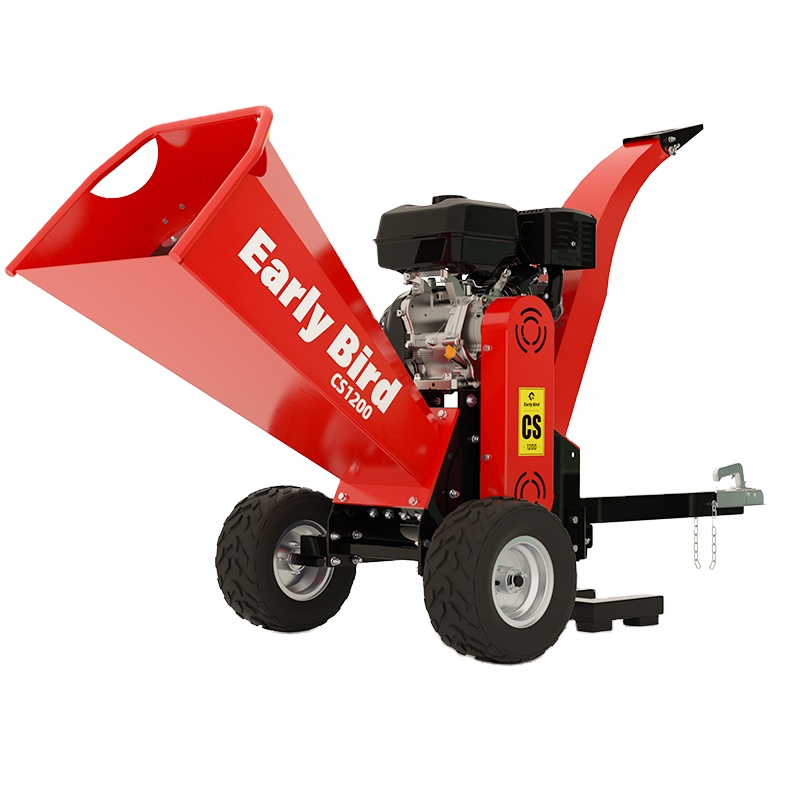
Gas-powered chippers remain the most popular option for homeowners with medium-to-large properties. Their self-contained engine means total freedom — you can tow or wheel them anywhere without needing an electrical outlet nearby.
These machines deliver serious performance. Engine capacities handle branches from 3 inches up to 6 inches or more in diameter, making them the workhorses of residential and light commercial cleanup. Bear in mind that they do require routine engine maintenance such as oil changes and fresh fuel, and they run considerably louder than electric alternatives.
For homeowners who want dependable power without a tractor, a gas chipper with a strong engine and solid capacity is an excellent starting point. It balances raw performance with the flexibility to work anywhere on your land.
Electric Wood Chippers: Quiet and Convenient for Smaller Yards
Electric wood chippers are tailor-made for suburban homes with compact gardens and lighter cleanup tasks. Their standout advantages include near-silent operation, zero exhaust emissions, push-button starting, and minimal ongoing maintenance.
:max_bytes(150000):strip_icc()/spr-champion-power-equipment-2-in-1-upright-gas-wood-chipper-laura-hard-06-684a5aafc0794bb78032c9afbff44cdb.jpeg)
The trade-off is power. Most electric models are designed for smaller twigs and branches, typically under 2.5 inches in diameter. They also depend on a power outlet and extension cord, which restricts their range and can be inconvenient across a sprawling yard.
PTO Driven Wood Chippers: Maximum Power for Tractor Owners
If you already own a compact or utility tractor, a PTO wood chipper is frequently the most powerful and cost-effective solution. These machines carry no engine of their own. Instead, they attach directly to your tractor’s Power Take-Off shaft.
This configuration harnesses the full power of your tractor’s diesel or gas engine to spin the chipper’s flywheel, enabling it to process very large-diameter wood with ease. It is the preferred choice for ranchers, farmers, and anyone managing forested acreage. We explore this category in depth further below.
At-a-Glance Comparison
To help you quickly visualize the differences, here is a straightforward breakdown of all three types.
| Feature | Gas-Powered | Electric | PTO Driven |
|---|---|---|---|
| Power Source | Onboard gasoline engine | Electrical outlet | Tractor engine via PTO shaft |
| Best Use Case | Medium to large properties, remote areas | Small suburban yards, light cleanup | Farms, large estates, land clearing |
| Power Level | Medium to High | Low to Medium | Very High |
| Portability | High (towable anywhere) | Low (limited by cord length) | High (goes wherever the tractor goes) |
| Average Cost | Moderate | Low to Moderate | Moderate to High (plus tractor cost) |
3. A Deep Dive into the PTO Wood Chipper
For tractor owners, the PTO chipper represents a major step up in performance and capability. Understanding exactly how these machines work is essential to determining whether one is right for your operation.
What Is a PTO Driven Wood Chipper?
A PTO wood chipper is an implement specifically engineered to be powered by a tractor. It connects to two critical systems: the Power Take-Off shaft and the three-point hitch.
The PTO is a splined driveshaft, typically located at the rear of the tractor, that can be engaged to drive attachments. A connecting shaft transfers rotational energy from the tractor’s PTO to the chipper’s input shaft. This channels the engine’s horsepower directly to the cutting mechanism, eliminating the need for a separate motor on the chipper — and therefore the cost, weight, and maintenance of a second engine.
Understanding the 3-Point Hitch System
The three-point hitch manages stability and transportation. A three-point chipper is built with a frame that has three connection points corresponding to the three arms of the tractor’s hitch. This creates a rigid, secure attachment that allows you to lift the entire chipper off the ground and transport it across rough terrain with ease.

Matching the chipper’s hitch category to your tractor is crucial. Most compact and utility tractors use a Category 1 hitch, while larger agricultural tractors may require Category 2 or 3. Operating a 3-point wood chipper with a mismatched hitch category is dangerous and may cause excessive wear to both the tractor and the implement. Always verify the manufacturer specifications on both sides.
Key Advantages of a PTO Chipper
Choosing a PTO model brings several distinct benefits for the right user.
Massive Power
By leveraging the tractor’s engine (20–100 HP), PTO chippers can handle larger, harder material than most standalone machines.
Cost-Effectiveness
Without an onboard engine, the upfront cost is often less than a gas-powered chipper of comparable capacity. Only one engine to maintain and fuel.
Durability
PTO implements are typically built to agricultural standards with heavy-gauge steel, robust bearings, and rugged designs meant for years of demanding use.
Mobility
Your chipper goes wherever the tractor goes — perfect for clearing fence lines, processing downed trees in a woodlot, or reaching far corners of a large property.
4. How to Choose the Right Size & Key Features for Your Job
Once you have settled on a power source, the next step is matching the specifications to the work you actually do. A chipper that is too small leads to constant frustration; one that is too large wastes money and power.
Consideration 1: What Is Your Maximum Wood Diameter?
The defining specification of any wood chipper is its capacity, expressed as the maximum branch diameter it can process. This can range from as little as 2 inches in a small electric model to over 8 inches in a large PTO or commercial machine.
Be practical. Even though you may occasionally encounter a 5-inch limb, if 95 percent of your work involves branches 3 inches or smaller, a 4-inch capacity chipper will likely serve you perfectly.
We strongly recommend choosing a capacity that is slightly larger than the thickest branches you regularly chip. This safety margin prevents you from constantly pushing the machine to its absolute limit and significantly extends its service life.
Consideration 2: What Volume of Debris Will You Process?
Consider how much you need to chip and how frequently. Are you performing a light cleanup for a few hours each spring and fall? Or are you clearing acres of land or managing a large orchard year-round?
There is a direct link between the volume of work, the required horsepower, and the chipper’s design. Smaller engines handle light-duty tasks well, but high-duty, continuous work demands more power to keep the flywheel spinning and prevent clogging. A PTO chipper capable of processing logs up to 4 inches typically pairs well with a 25–45 HP tractor, while a 6-inch capacity model may need 40–70 HP for optimal performance.
Consideration 3: Hopper Style and Feed Mechanism
The hopper is where you insert branches, and its design profoundly affects user experience, speed, and safety.
Two primary feed systems exist: gravity feed and self-feed (hydraulic feed). A gravity feed system relies on the slope of the hopper and the weight of the branch to guide material into the cutting blades. It can require more manual pushing and is generally slower and more physically demanding.
A self-feeding chipper uses powered rollers to actively grab each branch and draw it into the machine at a consistent rate. This dramatically reduces physical effort, improves safety by keeping your hands farther from the blades, and greatly increases throughput. For anyone processing large volumes of material, a self-feed system is a highly recommended feature.
5. New vs. Used Wood Chipper for Sale: A Buyer’s Inspection Checklist
The temptation to save money on a used wood chipper is understandable. While excellent deals certainly exist in the secondhand market, it also carries significant risk. A thorough inspection is absolutely non-negotiable.
The Pros and Cons of Buying Used
The primary upside of buying used is, naturally, the lower initial cost. You can often obtain a much higher-capacity machine for the price of a new, smaller one.
The downsides, however, are considerable. There is typically no warranty coverage. The machine’s service history is often unknown. Hidden mechanical problems could transform what seemed like a bargain into an expensive repair project. You are purchasing the machine “as-is.”
Your Pre-Purchase Inspection Checklist for a Used Chipper
Approach any used chipper with a critical eye. We have inspected countless machines, and this is the checklist we rely on to separate the good deals from the bad investments. Follow it step by step.
1. Inspect the Frame and Housing
Examine all structural components closely. Look for hairline cracks in the steel, especially around the engine mount, axle, and hitch. Non-factory welds indicate a prior major failure and repair. Surface rust is common and acceptable, but deep, flaking corrosion can compromise structural integrity.
2. Check the Chipper Blades and Knives
This is the heart of the machine. Ask the owner to open the housing so you can see the blades on the flywheel. Are they sharp or rounded over? Look for large chips or cracks. Find out when they were last sharpened or replaced. New blades can be expensive, so factor this into your negotiation if they are in poor shape.
3. Examine Belts and Pulleys
On a gas-powered unit, inspect the drive belts that connect the engine to the chipper flywheel. Check for cracking, fraying, glazing, and excessive looseness. A worn belt signals neglect and will need immediate replacement.
4. Evaluate the Engine (Gas Models)
Have the owner start it from cold. A healthy engine should fire up within a few pulls. Watch for excessive blue or white exhaust smoke, which may point to internal engine wear. Listen for rattling or knocking. Check the oil on the dipstick — it should be clean, not black or milky.
5. Check the PTO Shaft (PTO Models)
If evaluating a PTO chipper, inspect the shaft carefully. Universal joints at each end should feel tight with no play. Critically, confirm the plastic safety shield is intact and rotates freely. A missing or damaged shield is a serious safety hazard.
6. Look at the Hopper and Discharge Chute
Make sure there are no severe dents inside the hopper or chute that could obstruct the flow of material. Confirm the discharge chute rotates freely and locks securely in position.
7. Ask for a Live Demonstration
This is the most critical step. Never purchase a chipper without watching it run and process wood. Bring a few branches that represent what you will be chipping. Feed them through and observe performance. Does it bog down? Does it eject chips cleanly? Listen for unusual sounds under load. If the seller refuses to demonstrate the machine, walk away.
6. Conclusion
Choosing the right wood chipper does not have to be complicated, even though it is a significant investment. Through a methodical evaluation of your needs, you can make a decision that delivers long-term value and satisfaction.
The process is straightforward. First, determine which power source suits your property and situation best: the portability of gas, the quiet convenience of electric, or the sheer force of a PTO model connected to your tractor. Next, honestly assess your workload. Match the chipper’s capacity and features — such as the feed system — to the size and volume of wood you handle most of the time. This ensures you own a machine that is capable without being excessive.
Finally, if considering the used market, use our inspection checklist to evaluate whether a secondhand machine is a genuine bargain or a future repair bill. A smart purchase starts with knowledge. Armed with what you have learned here, you can tackle that overwhelming pile of branches and transform it into something genuinely useful.
Ready to Get Started?
Explore our top-rated gas-powered wood chipper — built for homeowners who demand real performance.
BILT HARD 7.5 HP Wood Chipper
7. Frequently Asked Questions
What is the main difference between a wood chipper and a shredder?
A wood chipper uses sharp, hardened steel blades that rotate at high speed to slice solid branches and limbs into uniform wood chips. A shredder, by contrast, typically employs blunt hammers or flails to tear and pulverize softer, leafier garden waste like leaves, cornstalks, and small twigs. Many residential machines are combination chipper-shredders with separate chutes for each function.
How often should I sharpen my chipper blades?
Frequency depends heavily on usage and the type of wood you chip — hardwood dulls blades faster than softwood. As a general rule of thumb, inspect your blades after every 25–50 hours of operation. It is time for a sharpening or replacement when you notice a significant drop in performance, the machine struggles to draw in branches, or the engine labors harder than normal.
Can I put wet or green wood in a wood chipper?
Absolutely. Most quality chippers handle green wood very effectively, and often perform even better with it than with very dry, hard wood because the softer material cuts more easily. Just be cautious about feeding large quantities of wet, leafy green material such as fresh hedge clippings all at once, as this can sometimes clog the discharge chute.
What horsepower does my tractor need for a PTO wood chipper?
This depends entirely on the chipper’s capacity. Always reference the manufacturer’s recommended HP range. A smaller 3-inch or 4-inch capacity PTO chipper might require only a 20–40 HP tractor. A larger 6-inch or 8-inch model could demand a tractor with 50–100 HP to operate safely and effectively.
Is a bigger wood chipper always better?
Not necessarily. A chipper that is oversized for your typical workload will cost more to purchase, be harder to move and store, and consume more fuel or require a larger tractor than you may need. The wisest approach is to buy a machine that comfortably handles the branch sizes you process most frequently, with a modest amount of extra capacity for the occasional larger limb.