

Navigation
- Store It Dry
- Clean the Nozzle
- Flush the Detergent Siphon
- Check and Change the Filters
- Inspect Hoses and Fittings
- Clean the Water Inlet
- Maintain the Pump
- Wash the Exterior
- Maintain the Motor
- Other Pressure Washer Maintenance Tips
- When to Call a Pro?
- Keep Your Pressure Washer Performing Its Best
A high-pressure washer is a must-have piece of equipment for blasting away dirt from patios, driveways, vehicles, boats, and countless other surfaces. But like every power tool, it only rewards you with reliable service if you treat it with care. Stick with this guide and you'll learn exactly how to keep your pressure washer running smoothly — and performing at peak power — season after season.
Store It Dry
The golden rule of pressure washer upkeep is simple: always put it away dry. Moisture is the silent enemy of every motor, pump, and metal component inside the unit, so any water trapped after use is an open invitation to rust and corrosion.
After every job, run clean water through the machine to flush out any lingering soap or cleaning chemicals, then let the washer air out fully before moving it into storage. This prevents residue from drying inside the internal components and causing buildup over time.
Keep the washer shielded from direct sunlight and away from extreme temperature swings. A garage, shed, or basement makes an ideal home. For extra defense, drape a breathable tarp over the unit.
Proper storage keeps corrosion, mold growth, and freeze damage — all serious threats to the pump and internal assemblies — out of the picture.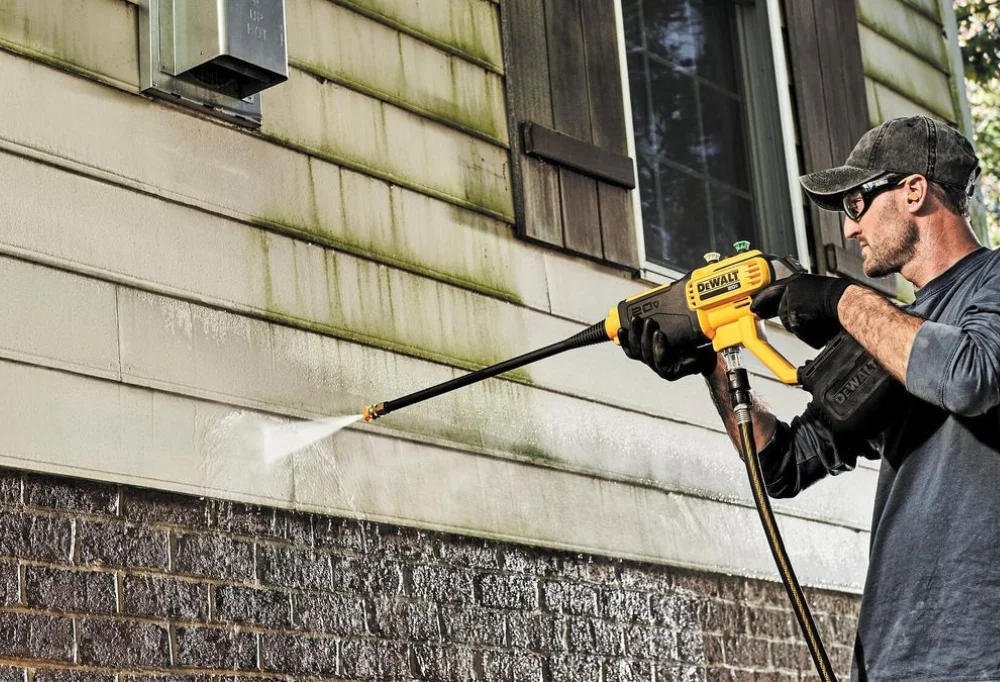
Clean the Nozzle
The nozzle is the small but mighty component that transforms ordinary water into a powerful high-pressure stream. It's a simple part, yet absolutely essential to how well your washer cleans. Hard water deposits, dirt, and grit can clog nozzles in no time — and once obstructed, the nozzle begins throwing uneven patterns while dramatically reducing cleaning power.
Give the nozzle a quick inspection before every session. Clear any obstructions with a fine needle or blow it out with pressurized air. For tougher deposits, fill a small container with clean water or a dedicated nozzle-cleaning solution, submerge the nozzle, and work the needle through to dislodge any stubborn residue. Give it a thorough rinse before reinstalling.
Swap out the nozzle right away if it shows cracks, warping, or deformation. A damaged nozzle will put severe strain on the pump.
Flush the Detergent Siphon
If your pressure washer is fitted with a soap injection feature, keeping the detergent siphon clean is non-negotiable. After each use, top up the siphon bottle or reservoir with fresh water and run the pump for about a minute to clear out any leftover detergent or chemicals.
For a deeper clean of the siphon:
- Fill the reservoir with warm water and a few drops of bleach. Shake thoroughly and let it soak for about 5 minutes.
- Drain out the bleach mixture and rinse 2 to 3 times with clean water.
- Pump clean water through the siphon for a full minute to eliminate every last trace of bleach.
Routine flushing stops detergent buildup from gumming up the siphon and internal passages.
Check and Change the Filters
Pressure washers depend on one or more filters to catch debris in the incoming water line. These filters are your first line of defense for the inner workings of the unit.
Inspect each filter before every use. Pull out any trapped debris from the mesh, soak stubborn filters in mild detergent, and scrub gently with a brush. Rinse well before putting everything back together.
Replace disposable filters at least once per season. Reusable filters should be swapped out the moment they show cracks, distortion, or visible wear.
Filters that are dirty or worn allow abrasive particles to pass straight through the system. Keep up with filter changes and you'll avoid costly repairs further down the road.
Inspect Hoses and Fittings
Pressure washer hoses take a beating with every job — constant bending, dragging, pulling, and exposure to the elements. Always check them carefully before a cleaning session. Look for cracks, kinks, leaks, or bulges in the hose walls. Also give the fittings a close look where they connect to the trigger gun and machine.
Any hose showing serious wear, leaks, or damage needs to be replaced without delay. Swap out fittings too if the connections feel loose. Leaking hoses and bad fittings translate into a significant loss of water pressure.
Between jobs, coil hoses loosely to prevent kinks from setting in. Store hoses indoors whenever possible to extend their service life.
Maintain the Pump
The pump is the beating heart of your pressure washer — it's what transforms ordinary water into the forceful cleaning stream you rely on. Proper pump care goes a long way toward avoiding breakdowns.
Before each use, check the pump's oil and cooling fluid levels if your model calls for it. Refill as needed with the manufacturer-recommended oil. Change the pump oil at least once per season.
Inspect pump fittings and mounting bolts. Tighten anything loose to prevent vibration-related damage. Listen for any unusual noises from the pump like squealing or rattling — they often signal trouble.
After each use, flush the pump by running clean water through the system. Check and clear the water inlet screen too. Never run the pump dry or let it overheat — both will cause internal damage. Shut the washer down right away if the pump begins running dry.
Clean the Water Inlet
Hard water loaded with mineral content passes through the inlet on its way to the pump. Over time those minerals build up and start choking the inlet, cutting flow and pressure.
Every 10 to 20 hours of runtime, clean the inlet with a descaling solution or white vinegar. Let it circulate through the system, then flush everything out with clean water.
Take a close look at the inlet screen and pull out any debris that's caught inside. A badly clogged inlet will destroy washing performance in no time.
Wash the Exterior
Don't overlook the outside of your machine. Grime, mud, and dirt buildup make the washer harder to handle and can obscure important labels and markings.
Wipe the exterior with a damp cloth after each use. For heavily soiled areas, work in a mild detergent and scrub gently with a brush for a deeper clean.
Avoid cleaning the pressure washer with its own wand — the high-pressure stream can damage sensitive components.
A proper exterior wipe-down keeps the washer looking like new for years.
Maintain the Motor
Electric pressure washer motors need very little routine attention. That said, they do benefit from the occasional checkup.
- Inspect motor vents and cooling fins. Use compressed air to blow out any dust, dirt, or debris that could block airflow.
- Check for leaks around the motor housing. Reapply motor sealant if needed to keep moisture out.
- Listen for abnormal motor noises such as screeching or grinding. Have an authorized service center look at any unusual sounds right away. They could be the early signs of internal wear.
- Well-maintained electric motors will deliver reliable power washer service for ages. But any major motor repair is a job for a qualified professional.
Other Pressure Washer Maintenance Tips
- Inspect and replace worn O-rings, seals, valves, and connectors as needed to prevent leaks.
- Lubricate gaskets, pistons, and bearings with manufacturer-approved lubricants.
- Winterize the pump and plumbing with antifreeze if storing the machine where temperatures fall below freezing.
- Keep batteries fully charged on cordless electric models.
- Change the gear oil in gear-driven pressure washers.
- Clean out accumulated debris from inside the washer frame periodically.
- Follow every maintenance guideline laid out in the owner's manual.
Ready to Upgrade Your Pressure Washer?
If your current unit is past its prime, step up to a reliable, high-performance machine built to tackle the toughest jobs around your property.
When to Call a Pro?
Plenty of pressure washer maintenance can be handled on your own, but a few issues really need a trained technician:
- Major pump repairs like swapping valves or rebuilding the pump head
- Motor troubleshooting and repairs
- Fixing leaky hoses and fittings
- Replacing broken nozzles and trigger guns
- Any electrical issues
Don't take on repairs you're not trained for. Improper work could make the problem worse or create serious safety hazards.
Booking service through an authorized pressure washer repair center at least once a year pays off. Technicians will inspect every component and catch minor problems before they turn into headaches.
Keep Your Pressure Washer Performing Its Best
Pressure washers are invaluable for handling heavy-duty cleaning jobs. But like every machine, they need consistent attention to stay in peak operating form. Follow these pressure washer maintenance tips and you'll keep your washer running strong for years. Consistent care pays off with reliable cleaning power the moment you need it.
Read More
- Peripheral Pumps Guide: Installation, Maintenance & Choosing the Right Size
- How to Choose the Best High-Pressure Washer? Full Guide
- Clean Submersible Pump: Advantages, Maintenance Tips
- Gasoline Chainsaw Guide: Safety, Maintenance & Performance
- The Best Power Tool Brand from China for Homeowners in 2023!