


When it comes to exterior cleaning, two approaches consistently dominate the conversation: pressure washing and soft washing. Each technique brings its own strengths to the table and is tailored for specific cleaning scenarios. But how do they actually differ, and which one should you reach for?
Knowing the distinction between these two methods is essential for homeowners, property managers, and cleaning professionals who want to get outstanding results without compromising the surfaces they care about.
In this detailed guide, we take a deep dive into both pressure washing and soft washing — exploring their differences, advantages, and ideal applications. Whether you are looking to spruce up your own property or simply want to broaden your expertise, this article has you covered.
What Is Pressure Washing?
Pressure washing, sometimes called power washing, is a cleaning technique that harnesses the force of high-pressure water to strip away dirt, grime, mold, and other contaminants from a variety of surfaces. The method works by directing a concentrated jet of pressurized water directly at the surface, blasting away built-up debris with remarkable efficiency.
Common Uses and Applications
• Washing concrete driveways and walkways
• Eliminating mold and mildew from exterior walls
• Cleaning wooden decks and patio areas
• Reviving the look of brick and stone surfaces
Benefits of Pressure Washing
1. Highly Effective Cleaning
The sheer force of pressurized water can handle even the most stubborn stains, making it perfect for surfaces burdened with heavy dirt accumulation.
2. Wide Versatility
From concrete to wood, pressure washing works across a broad spectrum of surface types, making it a reliable all-around cleaning approach.
3. Environmentally Considerate
When operated without chemical detergents, pressure washing is an eco-conscious option because it relies solely on water.
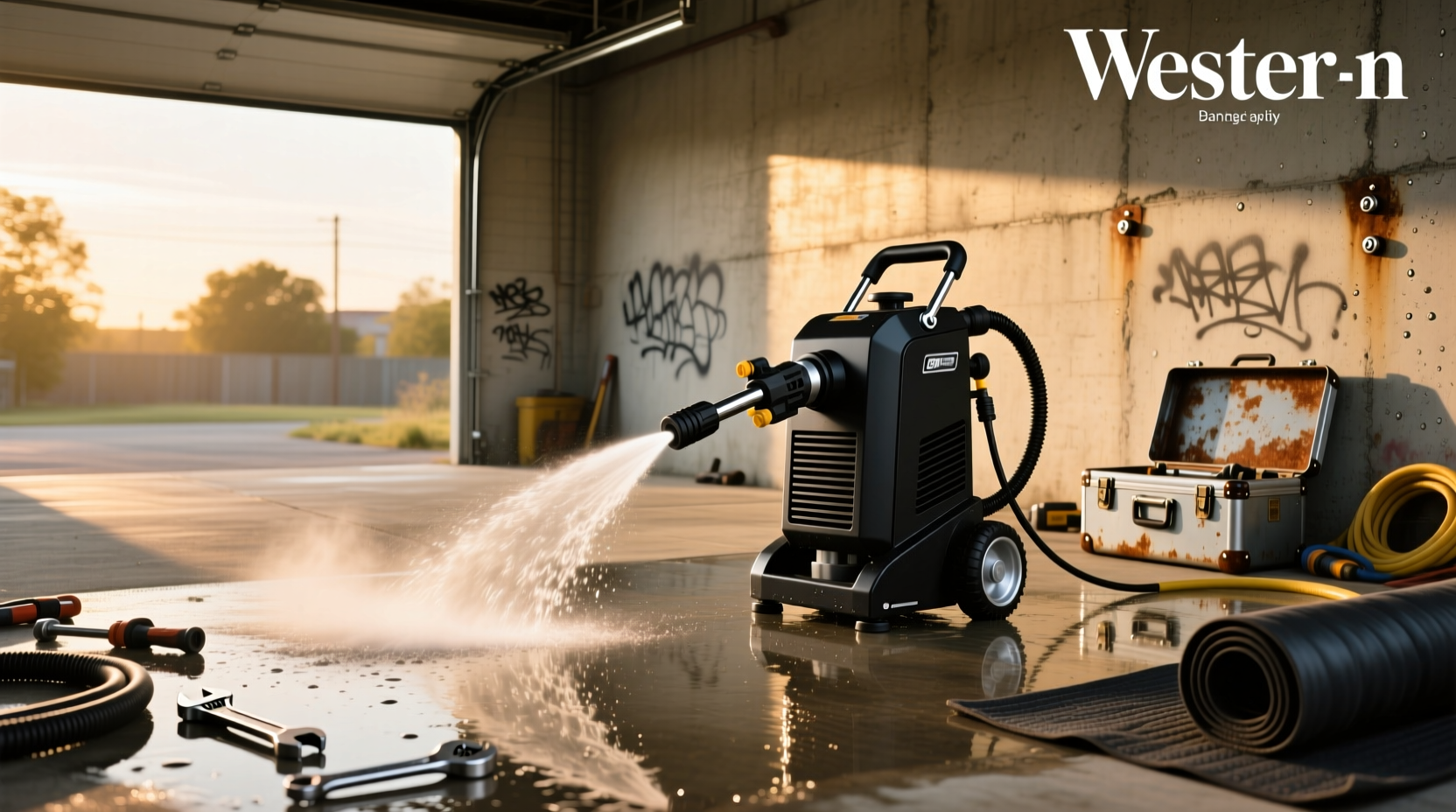
Equipment Used: The core piece of gear in pressure washing is the pressure washer itself. These machines vary in size and power output to accommodate different jobs. A pressure washer draws water from a supply, pressurizes it through a pump mechanism, and propels it at high speed through a nozzle.

What Is Soft Washing?
Soft washing takes a fundamentally different approach from the brute-force method of pressure washing. Rather than relying on intense water pressure, it leverages the cleaning power of specialized solutions. Soft washing involves applying a carefully blended mixture of water, cleaning agents, and sometimes mildewcides, algaecides, and surfactants to the surface being treated.
The Soft Washing Process
The process starts with the application of a cleaning solution to the targeted area. This solution is given time to sit and work on the surface, actively breaking down dirt, algae, mold, and other unwanted matter. Once the solution has had adequate dwell time, the surface is gently rinsed using low pressure, washing away the loosened contaminants without risking any damage.
Benefits of Soft Washing
1. Surface Safe
Soft washing is the go-to for delicate materials where high pressure would cause harm — think painted surfaces, vinyl siding, and asphalt shingles.
2. Deep Penetrating Clean
The cleaning agents used in soft washing can reach into nooks and crevices, delivering a more thorough clean than water pressure alone.
3. Longer-Lasting Results
Because soft washing kills mold, algae, and bacteria at the root, surfaces stay cleaner for a longer period compared to pressure washing alone.
Equipment and Cleaning Solutions
Soft washing equipment is purpose-built to deliver cleaning solutions at lower pressures than traditional machines. A typical setup includes a tank for the cleaning solution, a pump, and hoses fitted with specially designed nozzles. The solutions themselves may include detergents, bleach (sodium hypochlorite), and other targeted agents formulated to combat specific types of contamination.
Key Differences Between Pressure Washing and Soft Washing
Although both techniques are aimed at cleaning and restoring surfaces, they differ significantly in how they work, where they are best applied, and the results they deliver. Here is a detailed comparison:
Cleaning Mechanism
Pressure Washing: Relies on the raw force of highly pressurized water to dislodge and wash away dirt and contaminants.
Soft Washing: Combines specialized cleaning solutions with gentle, low-pressure water. The chemicals do the heavy lifting, and the rinse is light.
Pressure Levels
Pressure Washing: Operates at high pressures, typically ranging from 1,300 to 5,000 PSI or higher.
Soft Washing: Functions at much lower pressures, generally staying below 500 PSI to protect sensitive surfaces.
Best Applications
Pressure Washing: Best for hard, durable surfaces like concrete, brick, and stone — ideal for driveways, sidewalks, and patios.
Soft Washing: Perfect for delicate materials such as vinyl siding, wood panels, asphalt shingles, and painted exteriors. It is the preferred method for roofs, home exteriors, and wooden decks.
Cleaning Solutions
Pressure Washing: Typically uses water alone, though detergents may be added for particular tasks.
Soft Washing: Depends heavily on chemical solutions including detergents, bleach (sodium hypochlorite), and other specialized formulas for specific contaminants.
Duration of Cleanliness
Pressure Washing: Delivers instant results, but surfaces may attract dirt again relatively fast, especially in areas prone to mold and algae.
Soft Washing: Provides results that last longer since the cleaning agents eliminate mold, algae, and bacteria at their source, slowing regrowth.
Equipment
Pressure Washing: Utilizes pressure washers capable of delivering water at very high velocities.
Soft Washing: Uses equipment designed for spraying cleaning solutions at low pressure, often with specialized nozzles for even coverage.
Pros and Cons of Each Method
Both pressure washing and soft washing come with their own mix of benefits and potential drawbacks. Here is an honest look at what each method brings to the table.
Pressure Washing
✓ Pros
Powerful Cleaning: High-pressure water effortlessly handles heavy dirt, grime, and stains — ideal for surfaces with major build-up.
Versatility: Works well across a wide range of surfaces including concrete, brick, and stone.
Instant Results: You can see a dramatic difference right away, especially on visibly dirty surfaces.
Eco-Friendly Option: Without the use of chemicals, it is an environmentally responsible cleaning method.
✗ Cons
Risk of Damage: The intense pressure can harm delicate surfaces, strip paint, or etch into softer materials.
Shorter Clean Duration: Surfaces may get dirty again sooner, particularly in moist or shaded areas where mold and algae flourish.
High Water Consumption: Larger cleaning projects can use a considerable volume of water.
Soft Washing
✓ Pros
Gentle Cleaning: The low-pressure approach keeps fragile surfaces safe from damage throughout the cleaning process.
Deep and Thorough: Cleaning solutions penetrate into every crevice, achieving a deeper clean than water pressure alone.
Longer-Lasting Cleanliness: By targeting the root cause of growth like algae and mold, surfaces remain clean for extended periods.
Broad Applications: Suitable for home exteriors, rooftops, and wooden structures alike.
✗ Cons
Chemical Dependency: The method relies on chemicals that may not be appropriate for all environments or users.
Risk to Plant Life: If cleaning solutions are not properly rinsed, they can potentially damage nearby plants and grass.
Slower Process: The required dwell time for the cleaning solution means soft washing generally takes longer than pressure washing.
When to Use: Pressure Washing vs Soft Washing
Choosing the correct cleaning method is the key to achieving excellent results without unintended damage. Here is a practical guide on when to pick each approach:
Choose Pressure Washing For:
Hard, Resilient Surfaces: Concrete driveways, walkways, brick walls, and stone patios that can handle the force of high-pressure water.
Heavy Dirt Accumulation: Surfaces weighed down by significant grime, dirt, or moss benefit greatly from pressure washing's raw power.
Quick Cleaning Needs: When you are preparing for an event or need immediate results, pressure washing is the fastest route.
Areas Away from Plants: If there is no nearby vegetation to worry about, pressure washing is a straightforward and effective choice.
Choose Soft Washing For:
Delicate Surfaces: Vinyl siding, wood panel siding, painted surfaces, and asphalt shingles thrive under the gentler treatment of soft washing.
Mold and Algae Hotspots: Soft washing solutions can destroy mold, algae, and bacteria, making it ideal for damp or shaded spots where these organisms flourish.
Near Gardens and Landscaping: With proper precautions, soft washing is a safer choice when cleaning near vegetation.
Older or Historic Buildings: The gentle nature of soft washing helps preserve the integrity of aging structures without risking damage.
Factors to Keep in Mind
Type of Dirt: Tough stains such as oil or grease may respond better to pressure washing, while organic growth like mold or algae is better handled by soft washing.
Surface Material: Fragile or painted surfaces could be harmed by high pressure and are better candidates for the soft wash approach.
Environmental Concerns: If reducing water consumption or avoiding chemicals is a priority, weigh these factors when making your selection.
Professional Services and Recommendations
While tackling cleaning projects on your own can be tempting, there are clear advantages to bringing in professionals — especially for pressure washing and soft washing tasks. Here are some compelling reasons to consider expert help:
1. Expertise and Experience: Professional soft wash and pressure washing services have the training and know-how to evaluate surface types, select the best cleaning method, and deliver top-notch results without causing damage.
2. Advanced Equipment: Professionals rely on commercial-grade machines that outperform standard consumer models — whether it is a high-powered pressure washer or a specialized soft wash system, they come prepared.
3. Safety: Working with high-pressure equipment and cleaning chemicals carries inherent risks. Trained professionals know how to handle these tools safely, minimizing the chance of injury or property damage.
4. Eco-Friendly Options: Many professional cleaning services now offer environmentally friendly solutions that are both effective and responsible — ideal if green cleaning matters to you.
5. Time Savings: Hiring a professional can save you significant time and effort. What might take you hours or even days can often be completed by a pro in a fraction of the time.

Tips for DIY Enthusiasts
Safety First: Always gear up with protective equipment — gloves, safety glasses, and closed-toe shoes. Clear the area of pets and children before starting.
Test a Small Spot: Before committing to a large area, test your method on a small, inconspicuous section to confirm it will not cause harm.
Follow the Manual: Whether using a pressure washer or soft wash system, always abide by the manufacturer's guidelines.
Protect Your Plants: When using cleaning solutions, safeguard nearby plants by rinsing them before and after the job.
Ask the Experts: If you are uncertain about the right method for a specific surface, reach out to a professional cleaning company for a free consultation or estimate.
Conclusion
The conversation around pressure washing versus soft washing is not about declaring one method superior to the other. It is about choosing the right tool for the task at hand. Both approaches bring unique strengths, and understanding when and where to apply each one can make all the difference in achieving a clean, refreshed, and unharmed surface.
Pressure washing, with its forceful water stream, excels at tackling hard surfaces plagued with stubborn grime. Soft washing, with its chemistry-driven approach, is the ideal solution for delicate surfaces and areas plagued by organic growth like mold and algae.
For homeowners and business owners alike, success lies in evaluating the specific demands of the project. Think about the type of dirt, the material of the surface, and the surrounding environment. When in doubt, enlisting the help of a professional can give you both peace of mind and spotless results.
In the ever-changing world of exterior cleaning, staying well-informed and making thoughtful choices will ensure that your property not only looks outstanding but also stands the test of time. Whether you are a hands-on DIY enthusiast or someone who prefers to call in the experts, remember that knowledge is your greatest tool — and in this case, the perfect balance between pressure and soft washing.
We hope this guide has illuminated the key differences and practical applications of both methods, empowering you to make smarter cleaning decisions. Until next time — happy cleaning!
Frequently Asked Questions
What is the main difference between pressure washing and soft washing?
The fundamental difference lies in the cleaning mechanism. Pressure washing uses high-pressure water to blast away dirt, while soft washing depends on specialized cleaning solutions combined with low-pressure water to treat surfaces.
Can I use pressure washing on my home's exterior?
While pressure washing can be applied to some parts of a home's exterior, caution is key. High pressure can damage vulnerable surfaces like vinyl siding and painted areas. For those surfaces, soft washing is generally the safer recommendation.
Is soft washing eco-friendly?
Soft washing does involve cleaning solutions, some of which contain chemicals. That said, many professional services now offer eco-friendly formulations that are both effective and environmentally responsible.
How often should I pressure wash my driveway?
It largely depends on the amount of foot and vehicle traffic and exposure to dirt. As a general guideline, most driveways benefit from a pressure washing session once per year to maintain a clean appearance.
Can soft washing remove mold and algae?
Absolutely. Soft washing is particularly effective at tackling organic growth like mold and algae. The cleaning solutions used can kill these organisms at their source, delivering longer-lasting cleanliness.
Is pressure washing suitable for wooden decks?
It can be, but it is essential to use a lower pressure setting to prevent damaging the wood fibers. Soft washing is also an effective alternative for cleaning wooden decks without any risk of surface damage.
Are there surfaces where neither method is recommended?
Both methods are quite adaptable, but it is always wise to assess the material and condition of the surface first. For example, historical or significantly aged structures may need specialized cleaning approaches like steam cleaning to avoid damage.
Can I soft wash my roof?
Yes — soft washing is frequently the recommended approach for cleaning roofs, particularly those with asphalt shingles. It effectively eliminates mold, algae, and dirt without putting the roofing material at risk.
Ready to tackle your next cleaning project?
BE Power 11.0 GPM Soft Wash Unit