

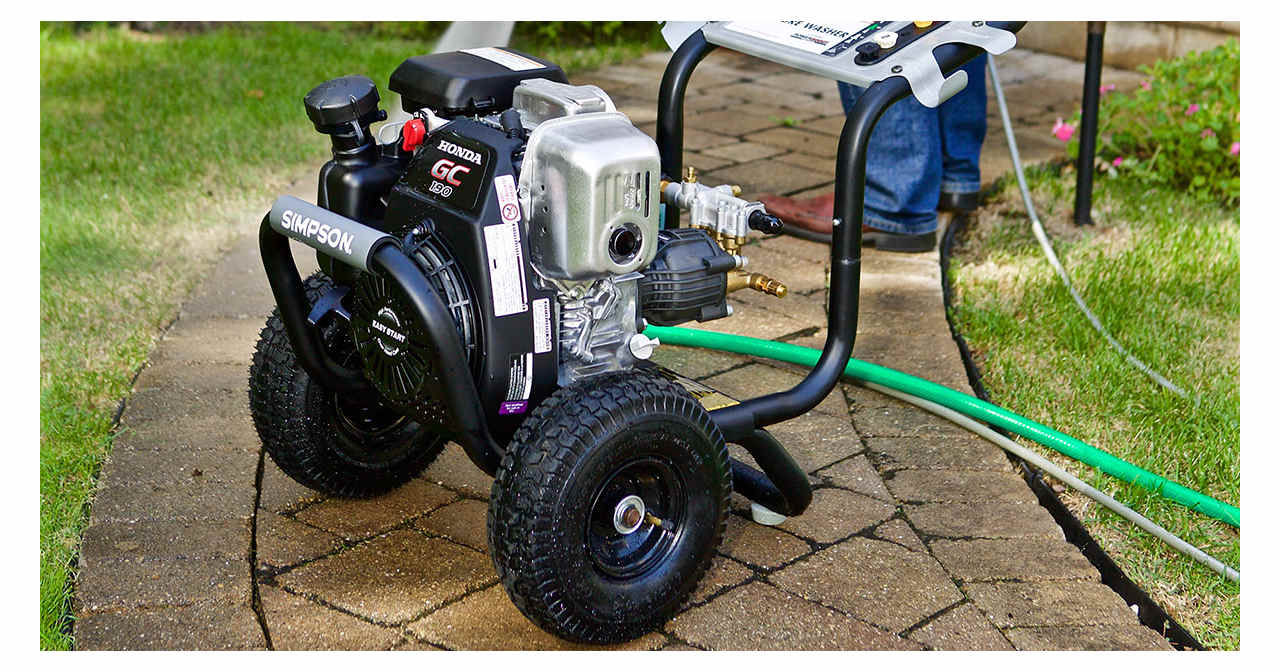
That said, not every task calls for the same machine. Because each category of pressure washer is engineered for a different kind of work, choosing the right one matters far more than chasing the biggest spec sheet. The guide below walks you through everything a buyer should understand before making a confident choice.
Choosing the Right Pressure Washer
Start by understanding the terminology and how to compare classes of machines side by side. Once you know where your project load falls, matching it to the correct tier becomes straightforward. Use the chart below for a quick snapshot of how the three main grades stack up.
| Pressure Washers | Consumer | Semi-Pro | Professional |
|---|---|---|---|
| PSI | 500 – 4,000 | 1,000 – 4,200 | 1,000 – 7,000 |
| GPM | 1.0 – 4.0 | 1.0 – 4.0 | 1.0 – 10.0 |
| CU (Cleaning Units) | 1,560 – 16,000 | 2,400 – 16,800 | 2,500 – 30,000 |
| Water Temperature | Cold | Cold | Cold / Warm / Hot |
Understanding the Specs
Pounds per Square Inch (PSI)
PSI describes water pressure — specifically, how much force the machine applies to break the bond between dirt and the surface beneath it. Higher PSI means stubborn grime lifts faster.
Gallons per Minute (GPM)
GPM measures flow. The more water a washer moves per minute, the larger the area it can rinse in a given window of time. A 4 GPM unit will finish the same job roughly twice as fast as a 2 GPM unit — simply because it's carrying twice the water to the surface.
Cleaning Units (CU)
Cleaning Units are the real-world benchmark for cleaning speed, calculated as PSI × GPM. Picture two hoses running at the same time on the same patch of concrete: the one delivering more water under more pressure finishes first. CU captures that combined effect in a single number.
Water Temperature
Commercial and industrial machines can run cold, warm, or hot water, and heat makes a measurable difference on grease and oil. Residential and semi-pro units run cold only — adequate for nearly all home cleaning tasks, but not built to handle heated output.

Electric vs. Gas-Powered Pressure Washers
This is the single most common question buyers ask, and the honest answer is: it depends on how hard you plan to work the machine. You generally get what you pay for.
Electric pressure washers are lighter, quieter, simpler to operate, and easier to store. Entry-level electric units carry lower price tags, but many are considered semi-disposable — once the pump or motor gives out, repair typically isn't worth the cost. They're best suited for occasional, lighter-duty work.
Gas-powered pressure washers cost more up front and are generally heavier, but they deliver significantly more cleaning power and are built to be rebuilt. Pumps can be swapped, engines can be serviced, and frames are typically heavier-gauge. For anyone running a washer regularly, the gas-powered class nearly always earns back the extra investment.
Brush vs. Brushless Motors
Most budget electric washers use brushed (universal) motors. They handle light jobs at a low price but aren't built for long hours. Induction motors — sometimes labeled brushless — cost more but run cooler, last far longer, and are the right call on electric units you expect to actually depend on.
Engine Size & Displacement
On gas washers, engine CC rating is essentially what the buyer is paying for. Larger displacement means more sustained power, higher top-end output, and a higher price tag.
Axial vs. Triplex Pumps
Axial pumps keep costs down and work fine for occasional homeowner use. They aren't designed to run hour after hour, and when they fail they're typically replaced rather than rebuilt.
Triplex pumps sit in a different league entirely. They run longer, handle higher pressures, and can be serviced when the time comes. If you intend to use your washer seriously and often, a triplex pump pays for itself quickly.
Pressure Washers for Homeowners
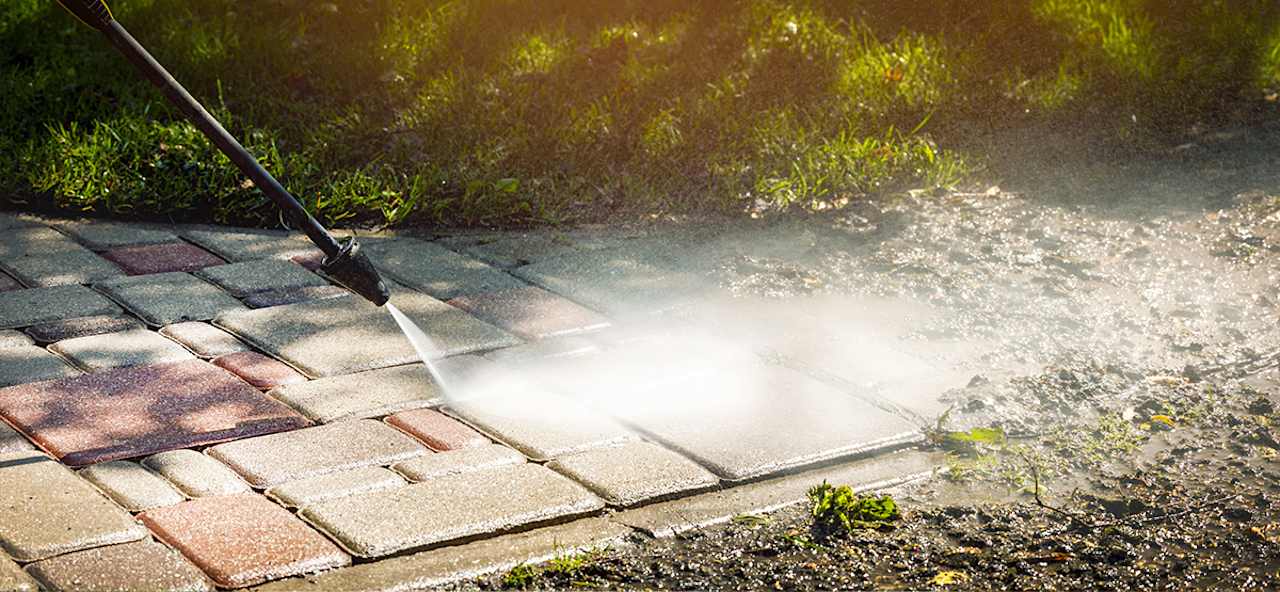
Homeowners who take pride in their property make up the largest segment of the market, and consumer-grade washers are purpose-built for them. These units aren't intended for daily commercial use, but they handle weekly and monthly maintenance — decks, driveways, siding, fencing, patio furniture — with room to spare.
Entry-level washers generally come paired with a consumer-grade engine and pump. For the homeowner wanting to tackle weekly cleaning sessions, they're a smart, affordable starting point. Just match the machine's capability to the projects you actually intend to run through it.
Pressure Washers for Contractors & Professionals
Semi-pro pressure washers bridge the gap between homeowner and professional tiers. They typically come with either a professional-grade engine or a professional-grade pump — sometimes both — and frame components built from heavier, longer-lasting materials. Higher PSI, GPM, and CU numbers are standard in this category.
For buyers who take home cleaning seriously — or who operate a small side business — this is the tier that pays dividends. Semi-pro units accept a wider range of attachments and accessories, including surface cleaners and soap injectors, making them far more versatile than a consumer-grade washer.
Commercial & Industrial Pressure Washers
Once you cross into commercial territory, PSI, GPM, and CU stop telling the whole story. What matters at this level is endurance, build integrity, and the ability to run all day, every day, without complaint.
Commercial-grade washers are engineered from the ground up with professional-grade components. Frames are reinforced, pumps push more water faster, and engines endure heat, cold, and moisture that would ruin a homeowner machine. These are the washers contractors, fleet operators, and industrial buyers rely on — the same platforms often configured as truck-mounted or trailer-mounted systems for specific applications.
Maintenance & Storage
Regular maintenance is the single biggest factor in how long a pressure washer lasts. Follow the intervals laid out in the owner's manual — each model has its own service rhythm — and you'll easily double the machine's useful life.
- Pressure washer safety basics
- How to store an electric pressure washer through the off-season
Attachments & Accessories
Every pressure washer ships with a handful of tools and attachments designed to make cleaning faster, more efficient, and — most importantly — easier on you.
Detergent Tanks
On tough stains, water and pressure alone often aren't enough. Concentrated detergents cut through mildew and grime far faster than plain water. Some smaller gas washers include an onboard detergent tank, which is the most convenient setup. Others use a siphon hose that drops into a separate bucket — less tidy, but perfectly effective. Either way, detergent earns its place in your routine.
For many projects — washing vehicles, siding, exterior walls — you'll want to apply detergent to the surface, let it dwell, and only then switch to pressure. A separate bucket is often the cleanest way to manage this without stopping to refill an onboard tank.
Spray Tips
One of the best features of most gas pressure washers is a color-coded spray tip set, which lets you match the spray pattern to the task. Rinsing detergent from siding calls for a wide, gentle fan. Blasting mildew off a walkway calls for a tight, concentrated jet.
Next Steps
At the end of the day, our goal is simple: make sure the pressure washer you bring home is the right one — not just the first one you see. The more you use a well-matched machine, the more you'll appreciate the range of projects it opens up. Pick wisely once, and your washer will keep earning its keep season after season.