

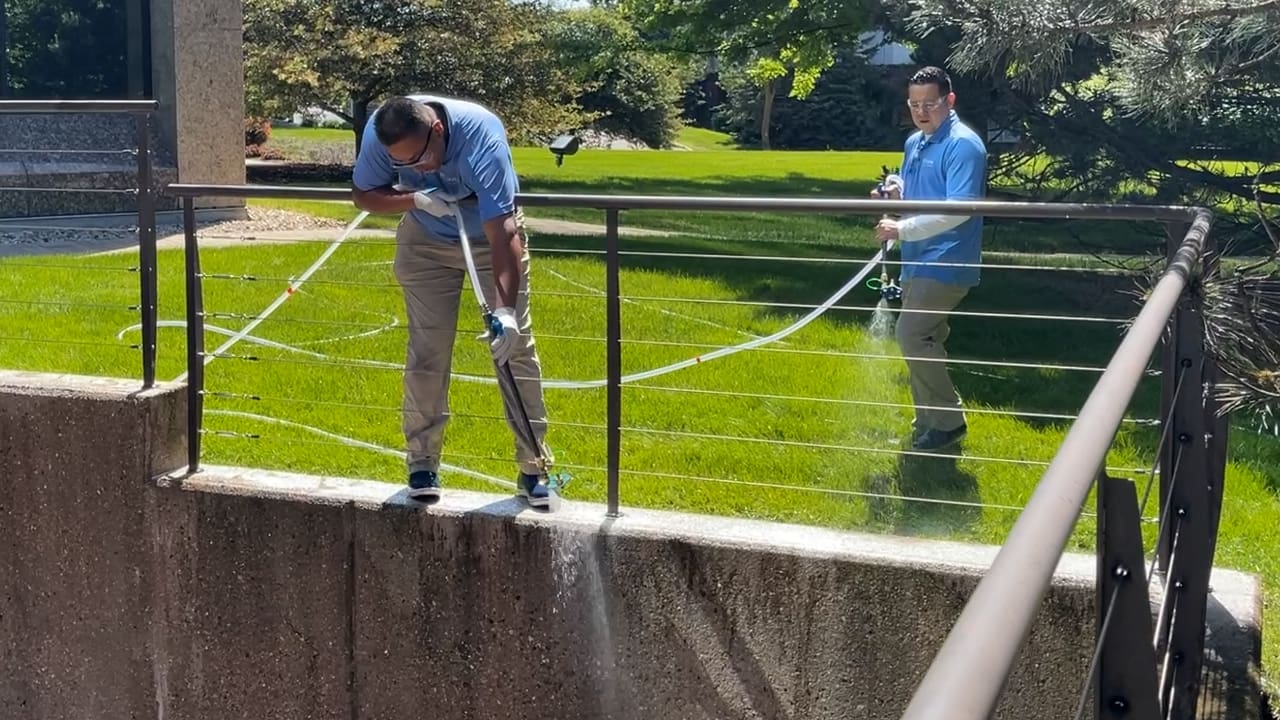
If you're new to soft washing, it's an alternative cleaning method to pressure washing that's easier on your exterior. Instead of blasting surfaces with high-pressure water jets, soft washing relies on a mild cleaning solution paired with very low pressure to break down and wash away organic growth, mildew, moss, and general buildup on roofs, siding, fences, decks, patios, and other outdoor features.
Because the approach is chemistry-driven rather than force-driven, it can handle surfaces that would otherwise chip, splinter, or crack under a standard pressure washer. That combination of cleaning power and surface safety is what has made soft washing the preferred choice for homeowners, property managers, and cleaning professionals who want lasting, reliable results.
How Soft Washing Works
1The Cleaning Solution
Soft washing is a straightforward process with two simple ingredients: a specialty cleaning solution and a properly tuned low-pressure delivery system. Together, they do what a high-pressure blast cannot — reach into porous surfaces and neutralize the living organisms that cause staining, discoloration, and long-term wear.
Solution Summary
Typical soft wash mixtures contain sodium hypochlorite (a diluted, stabilized form of chlorine bleach), a small amount of surfactant (soap) to help the solution cling to vertical surfaces, and water to adjust strength for each job. The exact ratio depends on what is being cleaned: roofs need a lighter hand than concrete, and painted siding calls for a different mix than a vinyl fence.
Recipes for a soft wash mix can vary depending on what you're working with, but the overall goal is always the same: break down biological growth at the root and leave behind a surface that resists regrowth for far longer than a high-pressure rinse alone ever could.
Surfactants play an equally important role. Because they allow the solution to stay put rather than run straight off the surface, the cleaner has the time it needs to actually do its work. This is especially helpful on roofs and upper siding panels where dwell time matters more than water volume.
Soft washing is also very different from simple home pressure washing, which mostly blasts the top surface. Laundry Strength™ bleach doesn't cut it — the pros use up to 10% concentrate, which is closer to commercial-strength sodium hypochlorite. Household bleach in a garden sprayer rarely kills what is growing on your home.
Soft washing requires careful calibration. A well-trained technician is equal parts cleaner and chemist, matching solution strength to each individual surface. Too strong and a finish can be damaged. Too weak and the growth will simply return in a matter of weeks.
2The Washing
Once the cleaning solution has been applied and given time to work its magic, the next step in soft washing is rinsing the surface. Unlike pressure washing, which relies on high-powered water jets, soft washing uses low-pressure water to gently rinse away the dirt, grime, and dissolved buildup.
The key to this step is process. A soft wash operator ensures the solution has sat on the surface long enough to break down the buildup effectively, but not so long that it risks drying or damaging the coating. This measured approach is what separates a thorough clean from a half-finished job.
The low-pressure rinse is typically sprayed using a specialty nozzle that distributes water evenly across the surface, ensuring a thorough clean without causing harm. The relaxed pressure also means that sensitive surfaces — like shingles, siding seams, and window frames — stay intact during the process.
For homeowners, this is a significant benefit, especially on surfaces like roofs, siding, and driveways, where even erosion in the grout or paint could mean costly repairs. The added protection extends the lifespan of these materials and helps maintain their appearance, saving money on repairs and replacement in the long run.
The gentle, less invasive method ensures that no damage occurs during the cleaning, preserving the integrity of the surface.
3The Results
After the washing process is complete, the transformation is immediately noticeable. Soft washing not only eliminates visible dirt and grime, but it also tackles the underlying causes of buildup, such as mold, mildew, algae, and bacteria. This results in a cleaner, brighter appearance that revitalizes the surface, making it look fresh and new.
Because soft washing penetrates deep into the pores of the surface, it removes not just surface-level dirt, but also deep-seated stains that high-pressure washing leaves behind. Longer-lasting protection against future mold, mildew, and growth is another benefit. This means the surface will stay cleaner for a longer period, reducing the need for frequent cleanings.
For homeowners, this is a significant benefit. Soft washing effectively cleans tough surfaces like roofs, siding, and driveways, ensuring a clean and well-kept appearance. The added protection against future growth not only enhances the aesthetic appeal of the home, but also helps preserve the longevity of the surfaces.
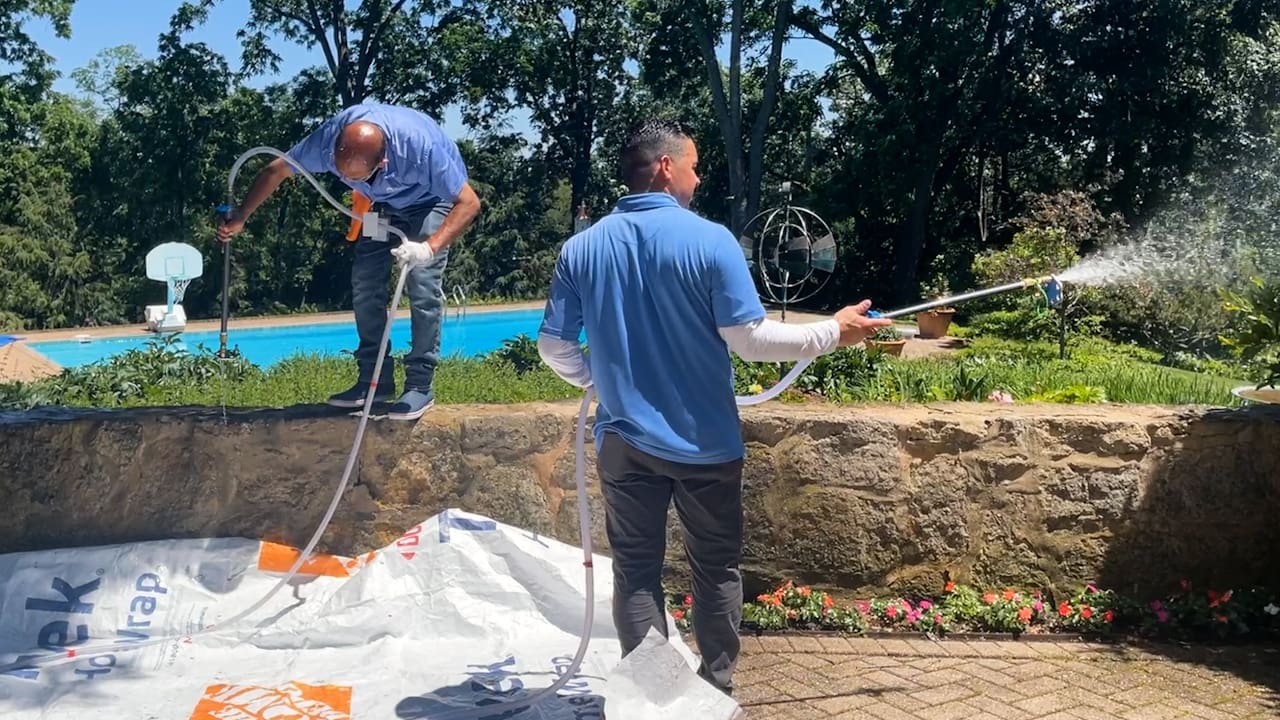
Soft Pressure Washing vs. High Pressure Washing: Which Is Better?
Soft washing and pressure washing aren't directly comparable; they are two completely different jobs. Of course you must prioritize the larger project and do some research on cleaning service providers in order to find a quality cleaning fit for your needs. The question isn't really which is better — it's which is right for the job in front of you. In different situations, a cold surface blast is better suited for different purposes.
Soft Washing
Uses a biodegradable chemical solution with very low pressure to clean delicate surfaces — perfect for roofs, siding, stucco, screens, painted wood, and anything with mold, mildew, or algae.
Pressure Washing
Uses high-pressure water to remove stubborn dirt, grease, and grime from durable surfaces like concrete driveways, brick patios, metal fences, and commercial walkways.
All the Benefits of Soft Washing
Prevents Future Damage
Because soft washing targets the organic root — mold, algae, mildew — instead of just blasting it away, regrowth is significantly slower. Surfaces stay cleaner for much longer, and you avoid the cycle of repeat damage caused by aggressive cleaning.
Greatly Improves Appearance
Dirt, grime, and organic stains make your roof and siding look old and worn out. Soft washing lifts embedded buildup and restores that "like new" finish — often better than you remember the surface ever looking to begin with.
Environmentally Friendly
Soft wash cleaning is biodegradable and environmentally friendly, so there's nothing to worry about in terms of your family, landscaping, or local waterways. The low water usage makes soft washing a practical choice for areas where water conservation matters.
Ready to Soft Wash Like a Pro?
If you're serious about soft washing — whether for your own property or as a service offering — having the right unit matters. The BE Power 11.0 GPM, 300 PSI gas soft wash unit pairs a Honda GX200 engine with a Comet diaphragm pump for reliable, low-pressure application built specifically for soft wash chemistry.
Shop the BE Power SW1165HAHiring Soft Wash Cleaning Professionals
Choosing the Right Company
Choosing the right company for soft wash cleaning is key. With so many available options, it's important to do some research in order to ensure you hire a team that will do the job safely, efficiently, and will leave you satisfied with the work. Here are some things to consider:
- Experience: The company you hire should be an industry professional with years of proven experience. Obviously, you won't want to put the decision in the hands of a company that you wouldn't trust to handle a job like this. Get a quote from a company that can prove it's done the work.
- Reviews: Past reviews from real customers will give you a clear idea of how your chosen company performs. Make sure to read reviews in detail. Check for profile pictures in each review and move on if you feel the reviews look thin or artificial.
- Pricing: There's a lot to think about when it comes to pricing. Do you want something big and wholesale, where you can hire a whole team with equipment for a total dollar price? Or do you want something smaller and more tailored to your property? Talk it through with a trusted local pro and make sure the numbers make sense.
Important Questions to Ask
A few smart questions can make or break your hiring decision. Before you sign anything, ask:
The Best Soft Washing Service to Hire
With all the best soft wash companies out there, it can be difficult to narrow down which one is right for you. Our team has heard about plenty of experiences and knows exactly who has a reputation for quality and who doesn't. If you are committed to your results, give extra attention to crews who are very environmentally safe in their chemical use, courteous to the surface of your home, and have long term experience with soft washing methods in your environment.
Soft washing is the clear choice for soft wash cleaning or pressure washing in your area. And we couldn't say that on their own blog's dime if we didn't believe it — we can back it up with our experience, happy customers, and streamlined processes.
Get the Right Equipment for the Job
Whether you're a homeowner going DIY or a professional scaling a cleaning business, a purpose-built soft wash unit makes all the difference. Honda-powered, diaphragm-pump reliability and 11.0 GPM flow — designed for soft wash chemistry from the ground up.
Shop the BE Power SW1165HA