

 Introduction
Soft washing is reshaping how exteriors are cleaned, offering a safer and often more effective alternative to traditional pressure washing. This method relies less on brute-force water impact and more on carefully balanced cleaning solutions designed to break down organic growth at the root, preventing rapid regrowth. Unlike pressure washing — which relies on sheer force to remove grime and biological material — soft washing uses scientifically formulated solutions that dismantle contaminants at a molecular level.
The strength of a soft wash comes from understanding what's actually on the surface. By choosing the right chemistry, the right surfactants, and the correct application techniques, professionals are able to achieve cleaner results for longer. In this article, we'll explore the science behind soft washing, including the role of cleaning agents, the importance of safe application practices, and the environmental considerations that responsible operators follow every day.
The Chemistry of Soft Washing
What makes soft washing effective isn't volume or velocity — it's the chemistry behind it. By targeting the biological and organic matter directly, the cleaning agents are able to dislodge contaminants before they become entrenched in the surface. The result is a cleaner finish that also lasts longer.
The Role of Sodium Hypochlorite (NaOCl)
The active ingredient in most soft washing solutions is sodium hypochlorite — a powerful oxidizing agent that effectively eliminates organic matter, including:
- Algae: The green or dark discoloration commonly seen on roofs, patios, and siding.
- Mold and Mildew: Fungal growth that thrives in humid conditions, particularly on shaded walls and decking.
- Lichen and Moss: More persistent organisms that attach deeply to porous surfaces such as stone and concrete.
How Sodium Hypochlorite Works
When applied to a contaminated surface, sodium hypochlorite breaks down the organic material at the cellular level. It disrupts the biological processes of algae and fungi, killing them at the root rather than simply removing their surface layer (as pressure washing does). Once the organism is neutralized, a low-pressure rinse flushes the debris away, leaving a cleaner and longer-lasting finish. Because these organisms are killed at the source — rather than simply wiped off — the surface stays cleaner for significantly longer without frequent reapplication.
The Role of Surfactants in Soft Washing
Surfactants are another crucial component in soft washing solutions. These compounds lower the surface tension of water, allowing cleaning agents to:
Adhere Longer
Prevents the solution from running off too quickly, giving the chemistry time to work.
Penetrate Porous Materials
Ensures deep cleaning where contaminants have settled beneath the visible surface.
Break Down Stubborn Grime
Lifts dirt, film, and oils so rinsing becomes quick and effortless.
Surfactants are often used in soft washing solutions to spread the cleaning agent more evenly across walls, roofs, and other exterior structures. Improving coverage ensures the cleaning agents stay in place long enough to fully break down organic matter.
Application Techniques and Best Practices
Soft washing isn't a one-size-fits-all approach. Different surfaces respond to different methods of application. High-pressure systems can cause damage to delicate materials, particularly:
- Render and Stucco: Can erode or crack under high-pressure exposure.
- Roof Tiles and Shingles: Can be dislodged or have protective coatings stripped away.
- Wood and Composite Materials: May splinter, warp, or take on water damage.
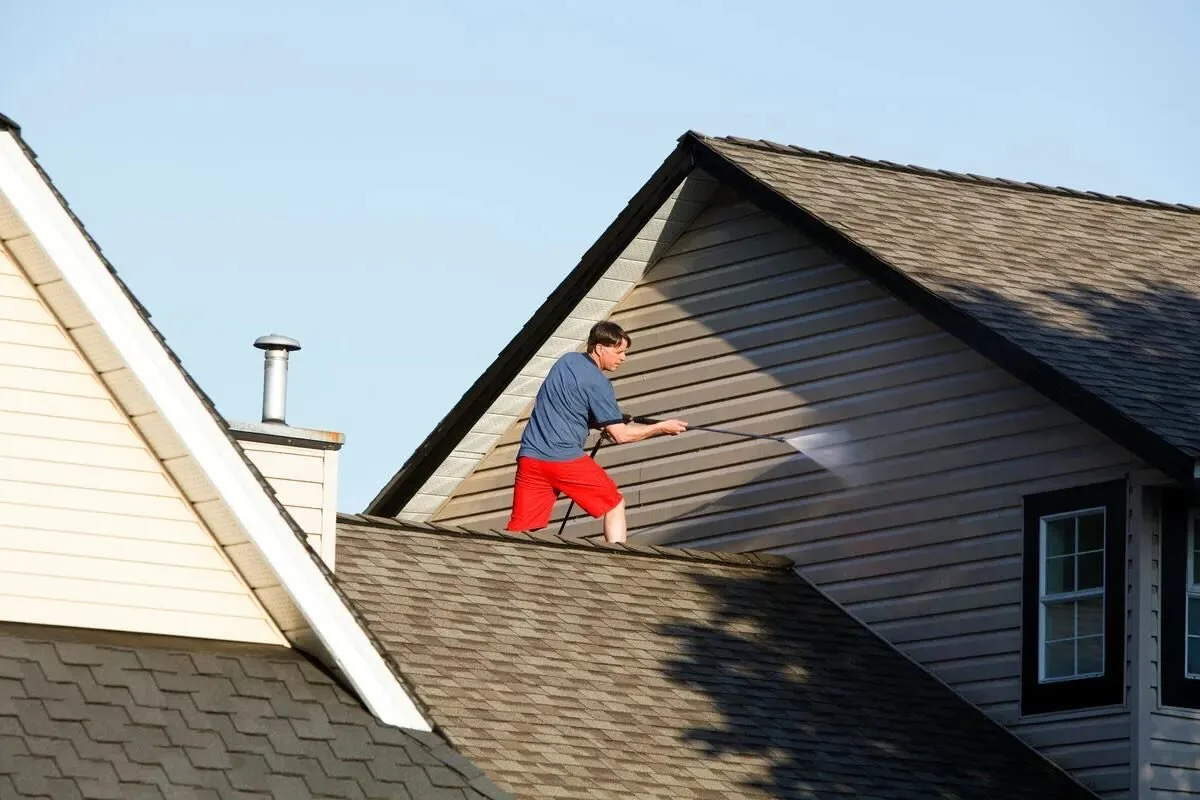
Soft washing sidesteps these risks by using low-pressure spray systems that gently apply the cleaning solution.
The Importance of Dwell Time
One of the most important factors in successful soft washing is dwell time — the length of time the cleaning solution remains on the surface before being rinsed.
Dwell time varies depending on the surface being treated and how heavy the contamination is:
- Light organic staining: 10–15 minutes.
- Moderate algae or mold growth: 20–30 minutes.
- Heavy lichen and black spot removal: 45–60 minutes.
Allowing the solution to dwell properly ensures that contaminants are fully broken down — not just partially removed. That said, it's equally important not to let the solution dry on the surface, which can leave streaks or cause uneven cleaning.
Upgrade Your Soft Wash Setup
Professional-grade soft washing begins with the right equipment. Reliable flow, consistent pressure, and a properly engineered pump make every job cleaner and faster.
Shop the BE Power SW1165HARinsing and Post-Cleaning Treatments
Once the solution has done its work, the surface is rinsed with low-pressure water. This flushes away the broken-down contaminants while protecting the material from damage.
To extend the life of the clean, many professionals apply a biocidal finish after soft washing. Protective agents such as DDAC (Didecyldimethylammonium Chloride) can help prevent the regrowth of algae, mold, and moss for up to a full year.
"Soft washing removes the contamination — it doesn't just relocate it."
Environmental Considerations and Safety
When used correctly, soft washing is a more environmentally responsible method than pressure washing. However, improper chemical handling can pose risks to plants, wildlife, and waterways if not managed carefully.
Best Environmental Practices
- Choose biodegradable surfactants to reduce environmental impact.
- Control runoff to prevent chemicals from entering drains or water sources.
- Pre-wet surrounding plant life to dilute any accidental chemical exposure.
By observing these steps, trained professionals can ensure that soft washing delivers outstanding results while still being environmentally conscious.
Safety Measures for Soft Washing Operators
Soft wash solutions contain strong chemicals that demand proper handling and safety precautions. Operators should:
- Wear protective gloves and goggles to prevent skin and eye contact.
- Use respiratory masks when working in enclosed areas or with high chemical concentrations.
- Store chemicals properly in a cool, dry area to preserve their effectiveness.
Following the right training is essential to using soft washing products responsibly, because cleaning solutions are only as safe as the hands operating them.
Soft Washing vs. Pressure Washing — Why Science Matters
Many property owners assume that pressure washing is the best way to clean exterior surfaces. However, pressure washing only removes the surface dirt — it rarely addresses the underlying cause of organic staining.
Key Differences
| Factor | Soft Washing | Pressure Washing |
|---|---|---|
| Method | Low-pressure chemical application. | High-pressure water spray. |
| Effectiveness | Kills algae, mold, and bacteria at the source. | Removes surface grime without stopping regrowth. |
| Surface Safety | Safe for delicate materials such as render and roof tiles. | Can cause erosion or structural damage. |
| Longevity | Provides lasting clean for up to 12 months. | Often requires frequent re-cleaning. |
By applying scientific principles — specifically oxidation, surfactant action, and controlled application — soft washing delivers superior outcomes to both effectiveness and long-term preservation of the surface.
Conclusion
Soft washing is more than just an exterior cleaning technique — it's a science-driven method that delivers long-lasting, deep-cleaning results while safeguarding delicate surfaces. By understanding the role of sodium hypochlorite, the function of surfactants, and the importance of correct application procedures, professionals are able to deliver cleaner exterior services safely and efficiently.
More than simply eliminating dirt, soft washing prevents regrowth, reduces the need for frequent maintenance, and provides an environmentally sensitive solution for exterior cleaning.
As more professionals embrace the scientific principles behind soft washing, the industry continues to shift toward a safer, smarter, and more effective cleaning standard.
When you're ready to upgrade the quality, power, and efficiency of your soft washing operation, your equipment makes all the difference.