

A complete walkthrough for professionals — from setup and nozzle selection to winterizing your machine and avoiding costly mistakes.
A pressure washer is one of the most effective tools a contractor can have on the job site. Whether you are prepping surfaces for painting, removing built-up grime from concrete, or restoring a client's deck, understanding how to operate a pressure washer correctly saves time, prevents damage, and delivers professional-grade results.
In this guide, we cover everything from choosing the right machine and picking the correct nozzle to proper startup procedures, advanced techniques, and long-term maintenance. If you are a contractor looking to get the most out of your equipment in 2025, this is for you.
Why Contractors Rely on Pressure Washers:
They strip away dirt, mildew, grease, and loose paint faster than any manual method. They cut prep time significantly on exterior renovations. They deliver a uniform clean that hand-scrubbing simply cannot match. They extend the lifespan of decks, siding, driveways, and commercial surfaces when used regularly.
 How Does a Pressure Washer Work?
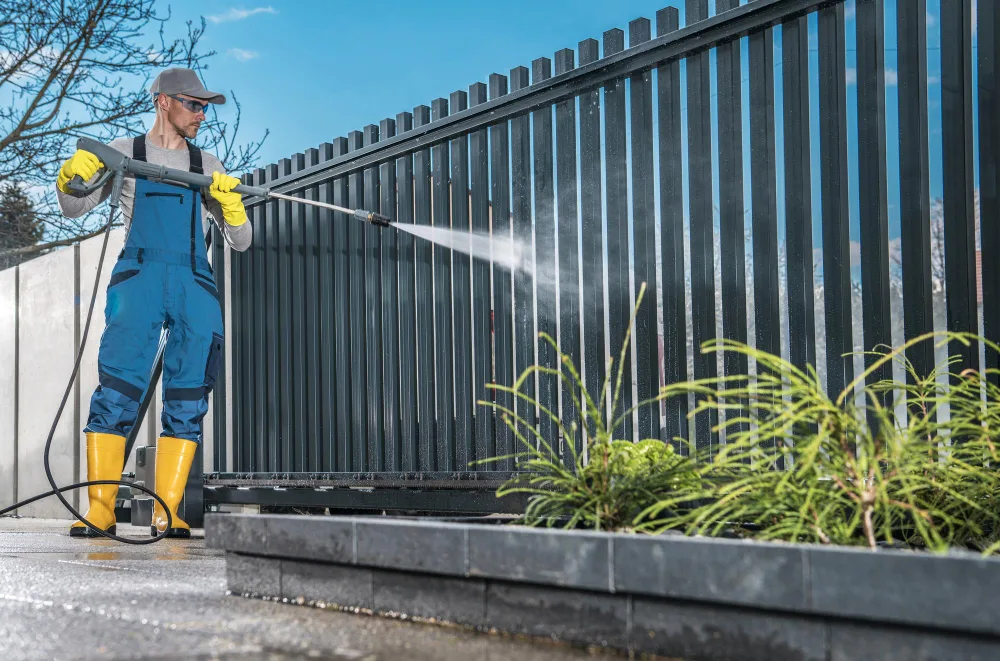
At its core, a pressure washer uses a motor or engine to drive a pump that pressurizes water from a garden hose or water supply. That pressurized water is then forced through a narrow nozzle at high velocity, creating a concentrated stream capable of blasting away stubborn debris, stains, and buildup from virtually any hard surface.
The cleaning power of a pressure washer is measured in two key figures: PSI (pounds per square inch), which indicates the force of the water stream, and GPM (gallons per minute), which reflects the volume of water flowing through the machine. Together, these values determine the unit's overall cleaning capability — sometimes expressed as Cleaning Units (CU), calculated by multiplying PSI by GPM.
Gas-powered units typically deliver higher PSI and GPM ratings, making them ideal for heavy-duty contractor work. Electric models offer quieter operation and lower maintenance, suitable for lighter residential tasks. Understanding your machine's output helps you match the tool to the job — preventing surface damage while still achieving a thorough clean.
What Kind of Pressure Washer Should You Use?
Choosing the right pressure washer depends on the scope and frequency of your work. Contractors generally fall into two camps — those who need portable electric units for detailed or indoor-adjacent tasks, and those who require the raw power of a gas-driven machine for commercial and heavy-duty applications.
Electric Pressure Washers
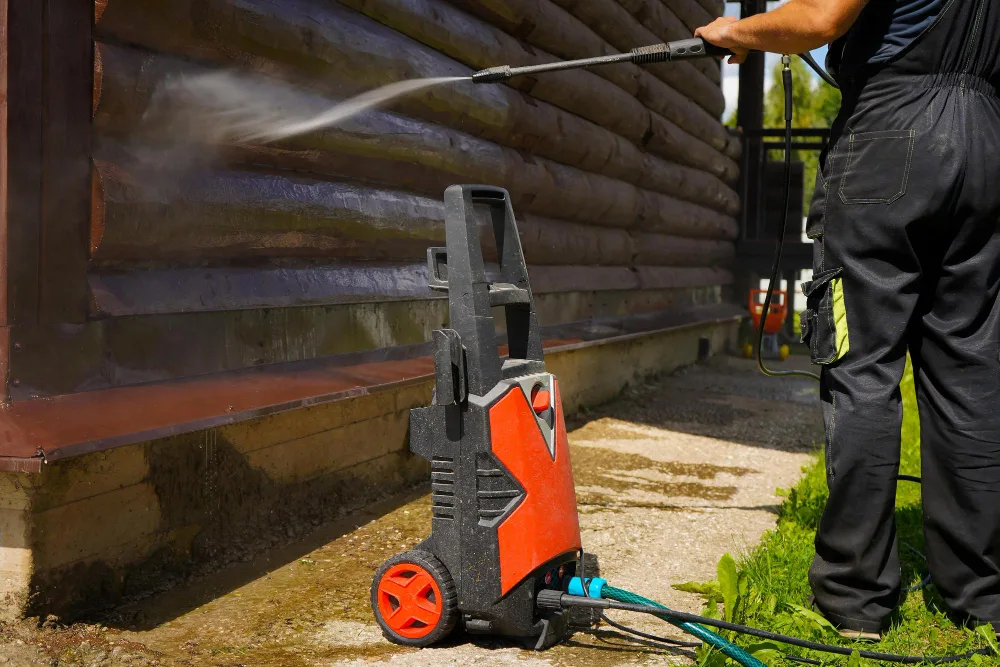
Electric pressure washers are lightweight, quiet, and easy to start — just plug in and pull the trigger. They typically produce between 1,300 and 2,200 PSI, which is more than enough for cleaning vehicles, patio furniture, vinyl siding, and light concrete work. Their lower maintenance requirements and zero-emission operation make them a practical choice for enclosed or noise-sensitive environments. However, they lack the power output needed for heavy commercial stripping or large-scale surface prep.
Gas Pressure Washers
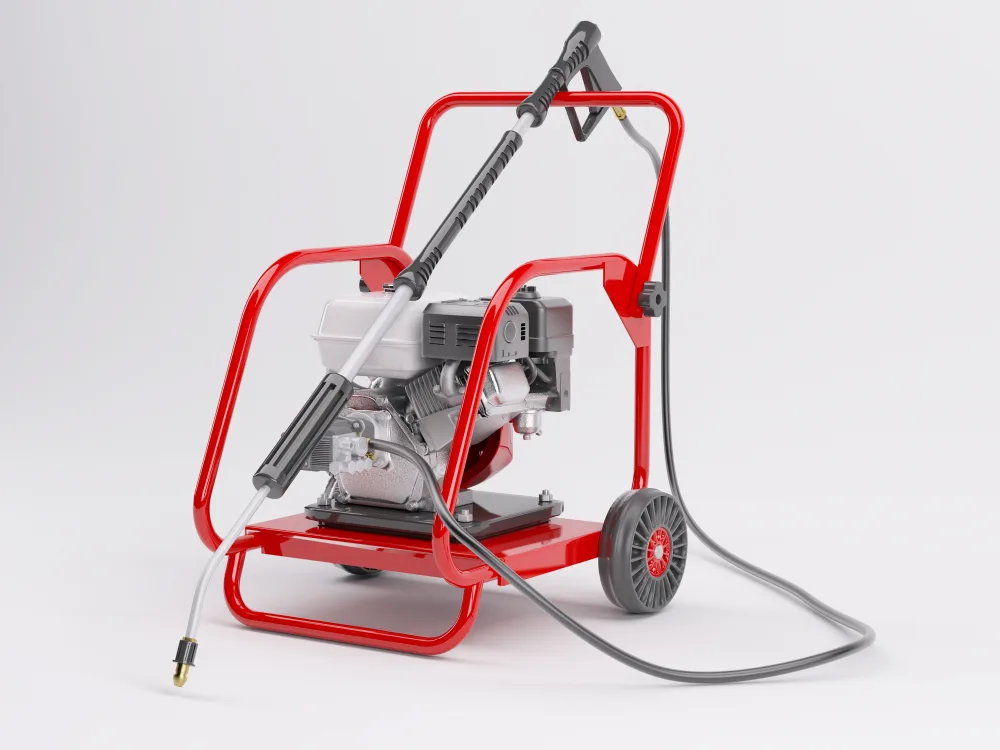
Gas pressure washers deliver significantly more cleaning force, typically ranging from 2,500 to 4,400 PSI, with higher GPM ratings as well. This makes them the go-to for contractors tackling driveways, parking structures, commercial building exteriors, graffiti removal, and industrial equipment cleaning. They are fully portable — no cord required — but they do demand more regular maintenance including oil changes, spark plug checks, and fuel management. For any professional who relies on their washer daily, gas-powered models are the industry standard.
Pressure Washing Tools, Materials & Safety Equipment
Before you fire up the machine, make sure you have everything on hand. Proper preparation ensures both safety and efficiency on the job site. At a minimum, contractors should have the following ready to go:
Equipment: A reliable pressure washer unit, high-pressure hose, spray gun and wand, and a full set of interchangeable nozzles (0°, 15°, 25°, 40°, and soap nozzle).
Cleaning Supplies: Pressure washer-rated detergent appropriate for the surface type, a surface cleaner attachment for large flat areas, and extension wands for reaching elevated sections.
Safety Gear: Safety goggles or a face shield, steel-toed waterproof boots, heavy-duty gloves, hearing protection (especially with gas units), and long pants to guard against ricocheting debris.
Extras: A garden hose with adequate water supply, tarps or plastic sheeting to protect nearby plants and surfaces, and a downstream chemical injector if your unit supports it.
Step-by-Step Guide to Using a Pressure Washer
Following a consistent startup and operating routine is essential — both for safety and for getting the best results out of your equipment. Here is how to do it right every time.
Step 1
Hook Up the Pressure Washer
Connect your garden hose to the water inlet on the machine and ensure the water supply is turned on fully. Attach the high-pressure hose to the pump outlet and connect the spray gun and wand. Turn the water on and squeeze the trigger to bleed any trapped air from the system before starting the engine or motor. Check all connections for leaks.
Step 2
Add Detergent
If your cleaning job requires detergent, fill the onboard soap tank or attach a downstream chemical injector with a pressure washer-approved cleaning solution. Always use detergents rated specifically for pressure washers — household cleaners can damage seals and internal components. Apply soap using the black (low-pressure) nozzle tip to allow the solution to properly coat the surface before rinsing.
Step 3
Select the Nozzle
Nozzle selection is one of the most important decisions you will make on every job. The 0° (red) nozzle produces a pinpoint blast ideal for removing tough buildup from very small areas — use it sparingly and never on soft surfaces. The 15° (yellow) nozzle handles heavy-duty stripping and concrete cleaning. The 25° (green) nozzle is the all-purpose workhorse for general washing. The 40° (white) nozzle provides a gentle, wide spray for rinsing and delicate surfaces. Always start with a wider angle and test before moving to a narrower, more aggressive nozzle.
Step 4
How to Start a Pressure Washer Safely
For gas models, set the choke to the start position, turn the fuel valve on, and pull the recoil starter cord with a firm, steady pull. Once the engine fires, move the choke to the run position. For electric models, simply plug into a GFCI-protected outlet and press the power switch. With either type, always squeeze the trigger on the spray gun to release residual pressure before each startup. Never point the nozzle at anyone during this process.
Step 5
Best Pressure Washer Techniques for Contractors
Maintain a consistent distance of 6 to 12 inches from the surface for most tasks. Use smooth, overlapping sweeping motions rather than holding the stream in one spot — lingering too long can etch concrete or gouge wood. Work in sections from top to bottom so dirty runoff flows downward over uncleaned areas. On vertical surfaces like walls or fences, keep the nozzle angled slightly downward to prevent water from getting behind siding or trim. For stubborn stains, let the detergent dwell for 5 to 10 minutes before hitting it with the rinse nozzle.
Pressure Washer Tips for Beginners
If you are new to pressure washing — or training crew members who are — keep these fundamentals in mind. First, always conduct a spot test on an inconspicuous area before committing to a full surface. Different materials react differently to pressure, and what is safe for concrete can destroy softwood or painted surfaces.
Never use a pressure washer on a ladder. The kickback force from a high-pressure stream can easily throw you off balance. If you need to reach elevated surfaces, use an extension wand or telescoping lance designed for pressure washer use.
Keep the spray nozzle moving at all times. A stationary stream — even from a wider nozzle — will eventually damage most surfaces. Think of it like spray painting: steady, consistent passes yield the best results.
⚠ Pressure Washer Safety
High-pressure water can cause serious injuries, including lacerations, bruising, and even injection injuries that require emergency medical treatment. Always wear protective eyewear, closed-toe shoes, and gloves. Never direct the spray at yourself, other people, or animals.
Be mindful of electrical hazards when working near outlets, light fixtures, or overhead wires. Never operate a gas-powered unit indoors or in poorly ventilated spaces due to carbon monoxide risk. Always engage the trigger lock when the spray gun is not in active use, and fully depressurize the system before disconnecting any fittings.
How to Winterize a Pressure Washer
If you live in a region where temperatures drop below freezing, winterizing your pressure washer is essential to prevent cracked pumps, burst hoses, and costly internal damage. Residual water left inside the system expands when it freezes, which can ruin seals and valve assemblies in a single cold snap.
Start by running the machine until all detergent is flushed from the system using clean water. Disconnect the garden hose and water supply, then squeeze the spray gun trigger to release any remaining pressure. For gas units, either run the engine dry or add fuel stabilizer to the tank and run the engine for a couple of minutes to circulate it through the carburetor.
Use a pump saver or antifreeze solution specifically designed for pressure washer pumps — connect it to the water inlet and run it through the system to coat and protect all internal seals. Store the unit in a dry, temperature-controlled space if possible. If outdoor storage is your only option, cover the machine securely and elevate it off the ground.
Maintenance Tips for Long-Term Use
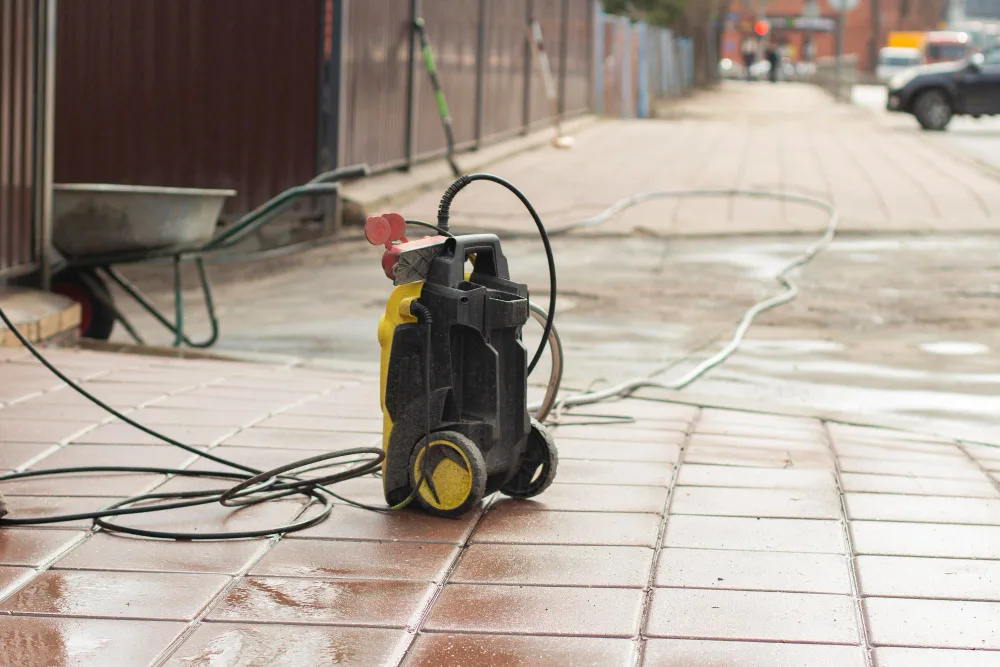
A pressure washer that is well maintained will deliver reliable performance for years. Neglecting basic upkeep, on the other hand, leads to declining pressure, pump failures, and expensive repairs.
After every use: Flush clean water through the system to remove any detergent residue. Disconnect hoses and allow all components to drain fully. Wipe down the exterior and inspect hoses for cracks or bulging.
Monthly (for regular users): Check and clean the inlet water filter screen. Inspect nozzles for wear or partial blockages — a damaged nozzle affects spray pattern and pressure consistency. Examine O-rings and seals at all connection points.
Seasonally: For gas-powered units, change the engine oil per the manufacturer's schedule. Replace or clean the air filter. Inspect the spark plug and replace if fouled or worn. Test the unloader valve to ensure it is cycling properly.
Annually: Consider a professional pump service, particularly for high-use commercial machines. Replace worn hoses and fittings before they fail under pressure. Evaluate whether nozzle tips need replacing — worn tips result in wider spray angles and reduced cleaning efficiency.
Storing your pressure washer correctly between jobs matters just as much as routine maintenance. Keep it in a clean, dry location away from direct sunlight and extreme temperatures. Always store the machine with the pump treated using a pump saver solution to prevent mineral buildup and seal degradation.
Pressure Washer vs. Power Washer: What's the Difference?
These two terms are often used interchangeably, but there is a technical distinction. A pressure washer uses a high-pressure stream of unheated water to clean surfaces. A power washer does the same thing — but with heated water. That temperature difference gives power washers an edge when dealing with heavy grease, oil stains, or situations where sanitization is a priority.
For most contracting work — driveways, decks, siding, fences, and general exterior cleaning — a standard pressure washer handles the job effectively. Power washers are more commonly found in industrial or commercial settings where heat is needed to break down stubborn organic material or comply with sanitation regulations.
| Feature | Pressure Washer | Power Washer |
|---|---|---|
| Water Temperature | Cold / Ambient | Heated |
| Best For | General cleaning, surface prep, residential and commercial exteriors | Grease removal, sanitation, industrial applications |
| Typical PSI Range | 1,300 – 4,400 PSI | 1,000 – 4,000 PSI |
| Cost | Lower upfront and operating cost | Higher due to heating element |
| Portability | Lighter, more compact | Heavier, bulkier units |
Common Mistakes to Avoid
Even experienced contractors make errors with pressure washers that can lead to property damage, equipment failure, or safety incidents. Being aware of these pitfalls helps you avoid costly setbacks.
Using too narrow a nozzle: Starting with a 0° or 15° tip on an unfamiliar surface can cause immediate gouging or etching. Always begin with a wider angle and work your way narrower.
Holding the nozzle too close: The closer the nozzle, the more concentrated the force. On wood, this means splintering. On concrete, it means visible streaking. Maintain 6 to 12 inches of distance.
Neglecting water supply: Running a pressure washer without adequate water flow causes the pump to cavitate, overheat, and eventually fail. Always verify your water supply delivers enough GPM before starting.
Skipping detergent when needed: Pressure alone does not always cut it. Oil stains, mildew, and biological growth require chemical treatment before rinsing for a truly clean finish.
Ignoring maintenance: A clogged inlet filter, worn nozzle tips, or old pump oil will gradually reduce performance and eventually lead to a breakdown at the worst possible time.
Environmental Impact of Pressure Washing
Responsible contractors are increasingly mindful of the environmental footprint of pressure washing. The runoff generated during exterior cleaning can carry detergents, paint particles, oil, and other contaminants directly into storm drains, which often flow untreated into local waterways.
To minimize your impact, always use biodegradable, phosphate-free cleaning solutions. Contain runoff with berms or vacuum recovery systems on jobs where hazardous materials might be present. Check local regulations — many municipalities have specific rules governing wastewater disposal from commercial pressure washing operations.
Using the correct nozzle and pressure setting for each job also reduces water consumption. Over-pressurizing wastes water and can strip away more material than necessary, generating additional runoff. Efficient technique is as much an environmental practice as it is a professional one.
A Better Alternative for Contractors
Investing in reliable, commercial-grade equipment pays for itself in efficiency and longevity. The right pressure washer turns a full day of manual cleaning into a couple of hours of productive work — and keeps your clients coming back.
Shop BE 2500 PSI Pressure WasherThis guide is provided by Backyard Provider for informational purposes. Always follow the manufacturer's operating instructions and local safety regulations when using pressure washing equipment. Product availability and specifications may vary.