

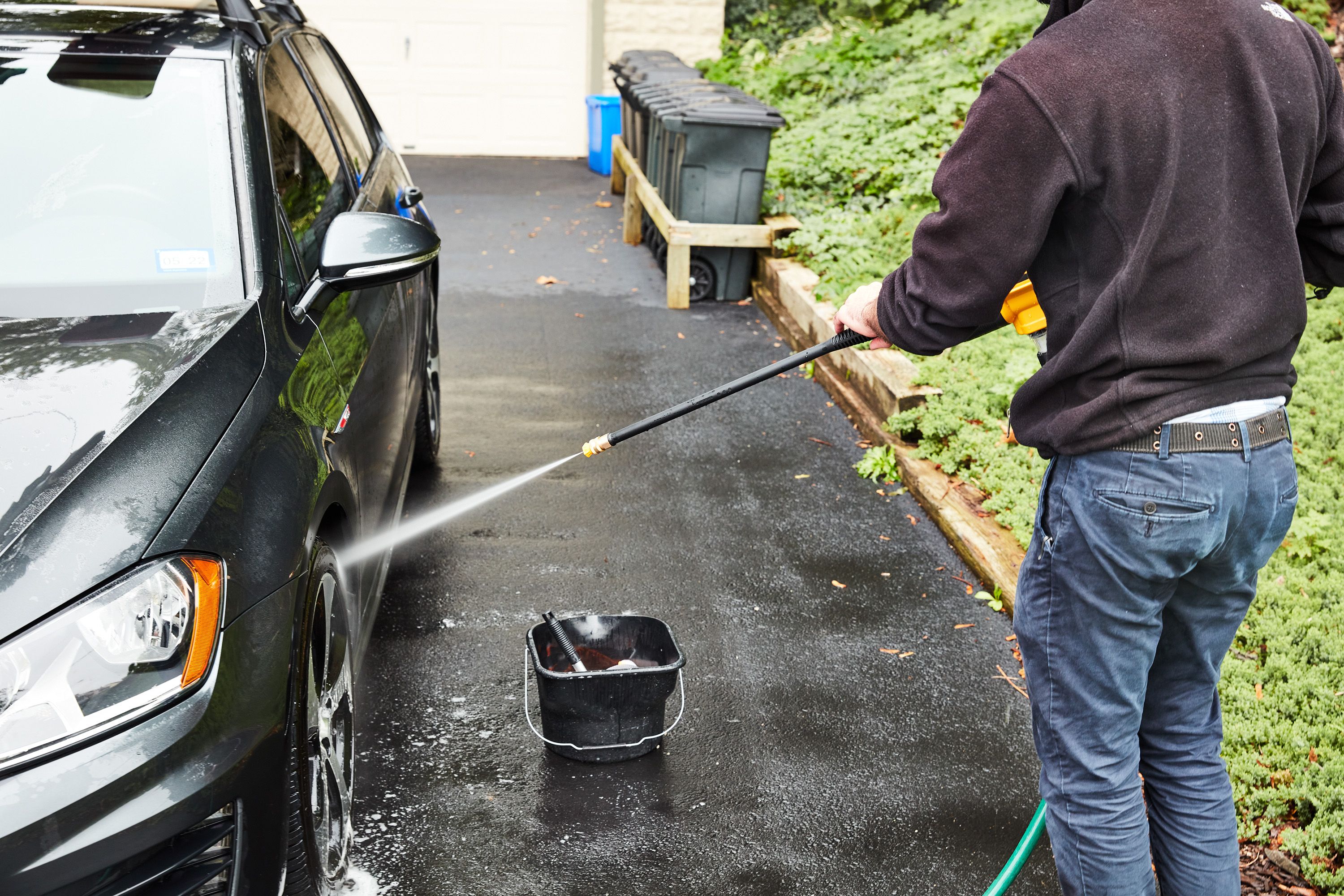
Pressure washers are incredibly versatile tools used for cleaning driveways, patios, siding, decks, fences, and outdoor furniture. They can also handle tougher jobs like stripping paint or prepping surfaces for staining. But when it comes to choosing between an electric model and a gas-powered unit, the decision isn't always straightforward.
Both types have distinct advantages and drawbacks depending on the task at hand. Below, we break down every major factor—from power output and portability to maintenance and long-term cost—so you can make a confident purchase decision.
Electric vs. Gas Pressure Washers: Major Differences
Electric pressure washers need to be plugged into a standard wall outlet and are generally more compact, quieter, and lighter. They tend to be easier to store and won't require much ongoing upkeep.
Gas pressure washers, on the other hand, run on fuel and deliver substantially more cleaning power. While they can be bulkier and louder, many homeowners and professionals rely on them for heavy-duty tasks. Both can accomplish everyday cleaning, though each shines in different scenarios.
Ease of Use
Electric Pressure Washer
Electric models are generally the go-to pick for beginners and homeowners tackling lighter jobs. They start with the push of a button, weigh considerably less than their gas counterparts, and are virtually plug-and-play. Because they draw power from a standard outlet, setup is fast and hassle-free. Their compact build also makes them easy to store in a garage or shed without taking up much space.
Gas Pressure Washer
Gas washers deliver far more cleaning force but come with a learning curve. They require a pull-start (similar to a lawn mower), need fuel and oil, and tend to be bulkier and heavier. However, the trade-off is real mobility—no extension cords and no need to be near a power source. For operators handling large properties or remote cleaning sites, gas units are the clear winner in terms of reach and flexibility.
Best for Ease of Use: Electric Pressure Washer
Environmental Impact
Electric Pressure Washer
If eco-friendliness is a priority, electric pressure washers are the better option. They produce zero direct emissions during operation since they rely entirely on electricity from your home grid. While the power source itself may or may not be green depending on your utility, the machine itself releases no harmful exhaust into your immediate surroundings—a real advantage for use in enclosed or semi-enclosed spaces.
Gas Pressure Washer
Gas models burn fuel and release carbon emissions through their exhaust. They also generate more noise pollution compared to electric units. While newer gas engines have become more efficient, their environmental footprint remains notably higher. They should strictly be used outdoors and in well-ventilated spaces.
Best for Environmental Impact: Electric Pressure Washer
Care and Cleaning
Both electric and gas pressure washers need to be cleaned and maintained to help extend their service life and ensure safe operation.
Electric Pressure Washer
Electric units are relatively simple to maintain. After each use, you'll want to flush the system with clean water, wipe down the exterior, and store it in a dry, protected area. There are no fuel lines to worry about and no engine oil to change. You should also periodically check the nozzle and hose connections for buildup or wear—but that's about as involved as it gets.
Gas Pressure Washer
Gas washers demand more attention. In addition to the same basic cleaning steps, you'll need to keep up with oil changes, air filter replacements, and fuel system maintenance. If you store the unit over winter, it's wise to run the carburetor dry or add fuel stabilizer. Neglecting seasonal maintenance can lead to hard starts and reduced performance down the road.
Best for Care and Cleaning: Tie
Durability and Maintenance
Electric Pressure Washer
Electric pressure washers are often praised for their simplicity. They have fewer moving parts, which means fewer things that can break. They're easy to use and don't require extensive mechanical knowledge. However, their motors can be less durable in the long run—particularly under consistent heavy-duty use. If you're looking for a low-maintenance machine for occasional residential jobs, electric models fit the bill perfectly.
Gas Pressure Washer
Gas models require a more involved maintenance routine—oil changes, spark plug replacements, fuel filter swaps, and air filter checkups are all part of the deal. But this investment in upkeep pays off in raw durability. Well-maintained gas washers are built to endure rigorous, extended use and can often outlast electric models by several years, especially in demanding commercial or agricultural settings.
Best for Durability and Maintenance: Tie
Performance
The raw cleaning power and performance of a pressure washer varies significantly depending on whether it runs on electricity or gasoline. Understanding how PSI (pounds per square inch) and GPM (gallons per minute) ratings translate to real-world cleaning ability is essential.
Electric Pressure Washer
Most electric pressure washers produce between 1,300 and 2,000 PSI, with flow rates typically around 1.2 to 1.6 GPM. That's more than enough power for washing cars, patio furniture, siding, and light concrete cleaning. They're safe and effective for everyday residential use and perfect for beginners who want reliable performance without worrying about overdoing it on delicate surfaces.
Gas Pressure Washer
Gas pressure washers are built for serious cleaning power. With PSI ratings typically ranging from 2,000 to over 3,500 and GPM values between 2.0 and 4.0, these machines handle heavy grime, oil stains, paint stripping, and large-area concrete jobs with ease. If you need professional-grade cleaning for driveways, decks, or commercial properties, gas models deliver the muscle that electric units simply can't match.
Best for Performance: Gas Pressure Washer
Cost
Electric Pressure Washer
When it comes to price, electric pressure washers are the clear budget-friendly option. Entry-level models can be found for as little as $80, with mid-range units costing between $150 and $300. Since there are no ongoing fuel costs and minimal maintenance expenses, the total cost of ownership stays low over the machine's lifetime—making it an ideal pick for cost-conscious homeowners.
Gas Pressure Washer
Gas models are a bigger upfront investment, typically ranging from $200 to $800 or more. On top of the purchase price, you'll be spending on gasoline, engine oil, replacement filters, and potential tune-ups. However, for users who need the additional power, durability, and runtime, the extra investment pays dividends over time—especially if you're tackling projects that an electric model simply can't handle.
Best for Cost: Electric Pressure Washer
Lifespan
Electric Pressure Washer
While electric units don't need as much routine maintenance, they have a shorter typical lifespan. Most consumer-grade electric pressure washers last around three to five years with regular use before needing replacement. Their motors and pumps aren't generally designed for the same intensity of workload that gas engines can handle. That said, for occasional use, you can extend their useful life significantly beyond that range.
Gas Pressure Washer
A well-maintained gas pressure washer can serve you for a decade or more. The higher-grade pumps and commercial-style engines found in quality gas models are built to endure sustained, heavy-duty operation. While you'll invest more in ongoing upkeep, that effort translates directly into a longer, more productive life for the machine. Some professional-grade models can last 10 to 15 years before needing major overhauls.
Best for Lifespan: Gas Pressure Washer
The Verdict
Electric pressure washers are affordable, easy to operate, low-maintenance, and ideal for lighter residential cleaning applications. If you own a standard home and need to wash vehicles, decks, patios, furniture, or siding a few times per year, an electric unit will get the job done efficiently and affordably.
Gas pressure washers, on the other hand, deliver significantly higher cleaning power. They're better suited for demanding projects—think stubborn stains, large driveways, commercial properties, or agricultural cleaning. If raw performance, portability, and long-term durability are your priorities, a gas model is the superior investment.
Ultimately, the right pressure washer depends on what you plan to clean, how often you'll use it, and the scale of your projects. Consider how you want to use the machine today—and where you see yourself relying on it in the future.
Top Brands to Consider
One of the best ways to ensure you get a quality product is to stick with reputable brands known for building reliable pressure washers. Here are some well-known manufacturers that offer both electric and gas options:
Kärcher — A global leader in cleaning technology, Kärcher is known for producing high-quality electric pressure washers. They also manufacture commercial-grade gas units that are popular with professionals worldwide.
Greenworks — Known for their battery-powered and electric outdoor tools, Greenworks offers compact, eco-friendly pressure washers perfect for residential cleaning tasks.
DeWalt — A well-known name in power tools, DeWalt produces robust gas pressure washers and also offers electric models, including battery-powered units and gas-powered variants with strong reviews.
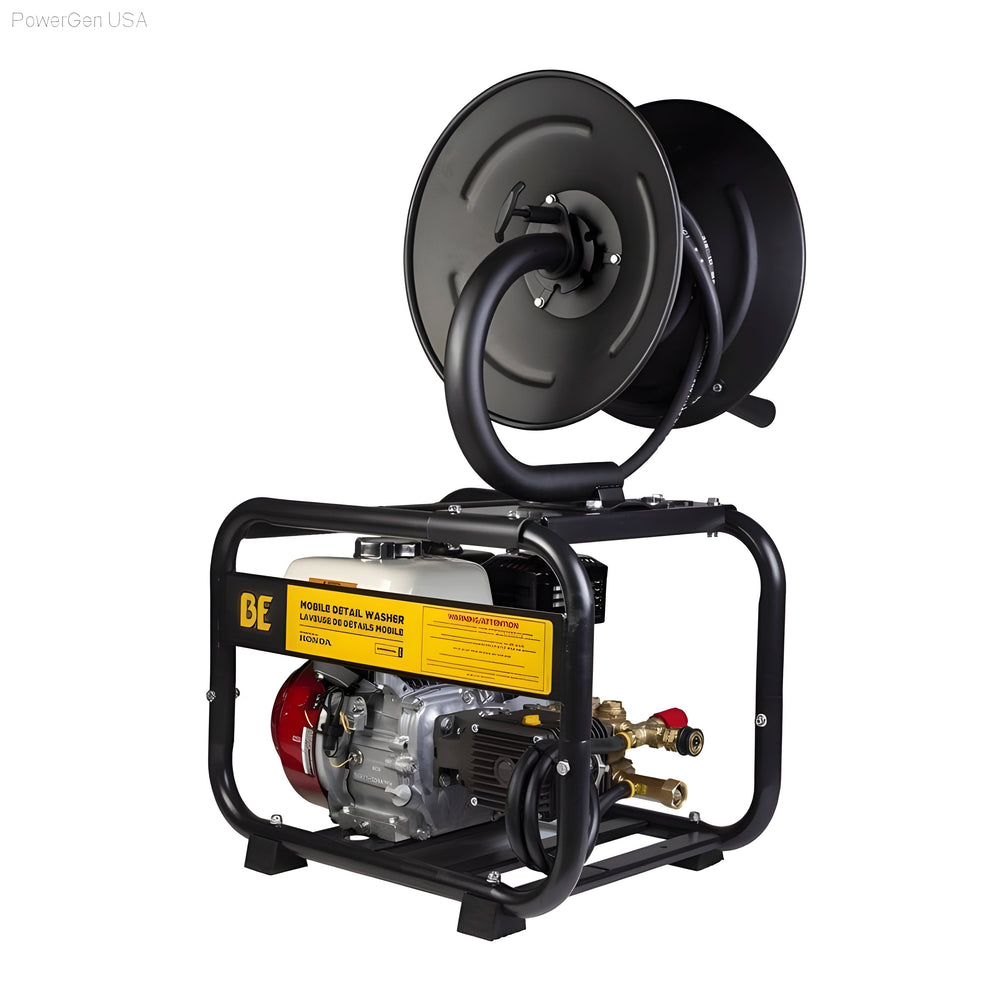
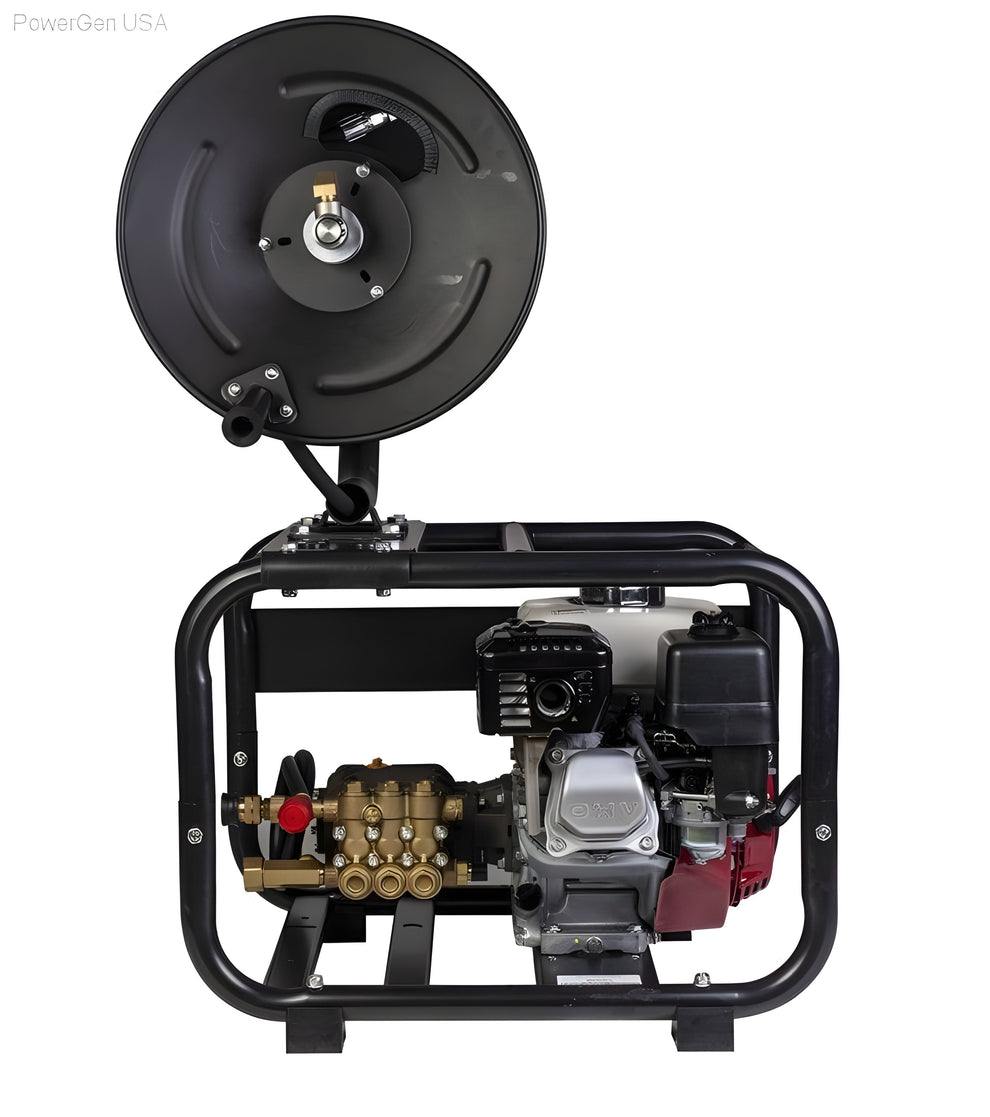
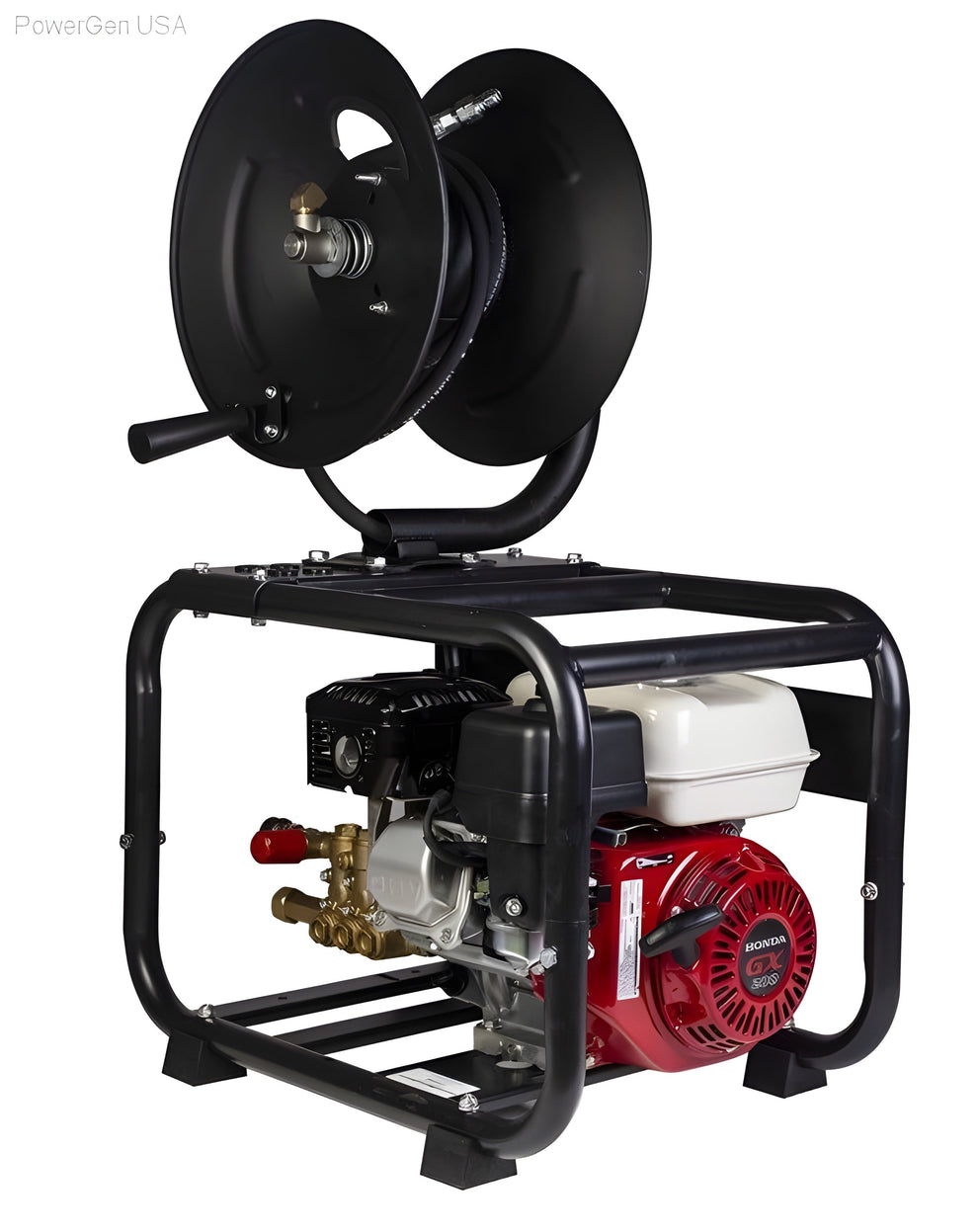
BE Power Equipment — Specializing in commercial-grade pressure washers, BE Power Equipment builds high-performance gas models with reliable engines—perfect for professional and heavy-duty residential applications.
Whichever brand you lean toward, make sure to match the washer's specifications to your specific cleaning needs. A well-chosen pressure washer will serve you reliably for years.
Featured Product
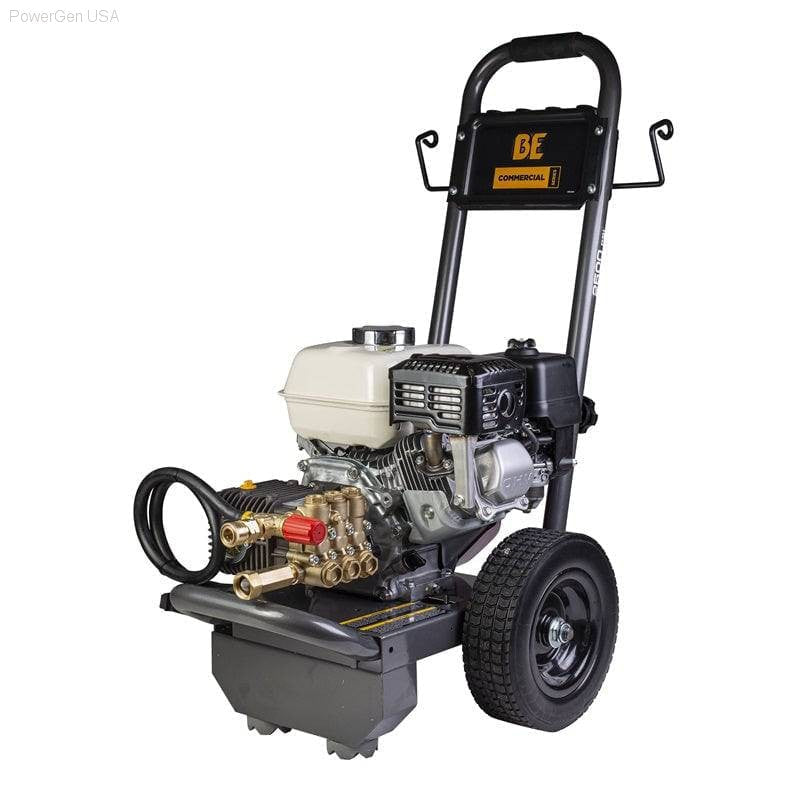
BE Power Equipment 196cc 2500 PSI Pressure Washer
Equipped with a powerful 196cc engine delivering 2,500 PSI of cleaning force, this BE Power Equipment gas pressure washer is built for heavy-duty residential and commercial applications.
© Backyard Provider — Your trusted source for outdoor living equipment and tools.