

- How to Choose the Best Zero-Turn Mower for You
- Your Specific Needs and Preferences
- Performance
- Comfort
- Serviceability
- Durability
- Benefits of Each Type of Zero-Turn Mower
- Top Talks
- Frequently Asked Questions
- Make an Informed Buying Decision
 How to Choose the Best Zero-Turn Mower for You
Assess Your Specific Needs and Preferences
Knowing precisely what you want out of a mower goes a long way toward narrowing the field. The factors below — from how often you plan to cut to the terrain you're tackling — will help shape a smart, informed choice rather than a guess-based one.
User Purpose
The job you intend to do with the machine has a significant impact on which model deserves a closer look. Residential customers usually lean toward lighter, lower-powered units geared toward routine yard maintenance. Commercial operators, on the other hand, typically require beefier builds with stronger engines, expanded fuel tanks, and longer-wearing components designed to hold up through full workdays. Pinning down where you fall on that spectrum will steer you straight toward the right tier of equipment.
Acreage and Property Size
The amount of grass you cut every week is another major consideration. Zero-turn mowers come in a range of deck widths, with cutting widths typically running from 30 inches all the way past 70 inches. For more compact yards, a mower with a slimmer deck and a tighter footprint makes the most sense — easy to steer, simple to store, and quick to maneuver around obstacles. Larger landowners are better served by wider cutting decks, which dramatically cut down on mowing time. Striking the right balance between deck size and property size pays back every weekend in efficiency and convenience. For commercial use, a roughly 60-inch deck is generally regarded as the sweet spot.
Terrain and Obstacles
The makeup of your property — and what's planted, built, or scattered across it — matters more than many first-time buyers expect. Flat, open ground rewards almost any zero-turn. Slopes, sharp grades, or uneven sections call for a model engineered specifically with stability and traction in mind. Likewise, plenty of trees, garden beds, fence lines, or hardscape features means you'll want a mower nimble enough to weave around them without scalping or scrubbing the lawn. Matching your machine to your terrain protects both the equipment and the yard it's working on.
Learn More
- Best Lawn-Mowing Practices with Zero-Turn Mowers
Frequency of Use
How often you plan to fire up the mower changes the equation considerably. Cutting weekly across the full mowing season is a very different ask from occasional touch-ups on a small lot. Residential users mowing their own yards a couple of times a week can typically choose lighter-duty machines built for lower hour totals. High-frequency users, including landscapers and grounds crews logging hundreds of hours a season, need commercial-grade builds with reinforced frames, beefier spindles, and serviceable components designed to take the abuse week after week.
Budget and Price
Setting a realistic spending range up front keeps the search focused. Zero-turn mowers span a wide price band, from accessibly priced homeowner models to top-tier commercial rigs running well into five figures. Pinpointing your budget isn't just about the sticker — it's about pairing your budget with the features, durability, and warranty coverage you actually need. A slightly larger investment in the right machine often pays dividends in longevity, comfort, and reduced maintenance costs.
Entry-level mowers generally start around $3,000 and climb based on engine size, deck quality, suspension, and brand.
Performance
Engine Size and Power Source
The engine — and how much horsepower it produces — is the heart of any zero-turn. Bigger displacement engines with higher horsepower handle dense, wet, or tall grass with confidence and chew through larger properties in less time. Smaller engines are perfectly capable on flat, manageable lawns but can bog down quickly when conditions get tough. Power source matters too: gas remains the dominant choice for its raw power and quick refueling, but battery-electric zero-turns are gaining real traction thanks to lower noise, zero emissions, and minimal scheduled upkeep. Choose the configuration that matches both your workload and your priorities around fuel, noise, and environmental impact.
Cutting Width
Cutting width plays a direct role in how efficiently you'll get through your property. Smaller cutting decks, in the 30- to 42-inch range, navigate tight spots, gates, and hardscape features beautifully and suit smaller residential lots. Mid-size decks in the 48- to 54-inch range hit a versatile middle ground that handles most suburban yards comfortably. Decks of 60 inches and beyond are best reserved for sprawling acreage where every extra inch shaved off the mowing time adds up across the season.
Maneuverability
Maneuverability defines the zero-turn category. Independent drive levers let operators pivot the machine in place, follow tight curves around landscaping, and reverse cleanly out of corners — capabilities that traditional riding mowers simply can't match. The advantage really shows in yards with frequent obstacles to navigate: flower beds, trees, posts, play structures. When evaluating models, weigh how intuitive the steering controls feel, the responsiveness of the transmission, and whether the deck and chassis layout makes obstacle work feel natural rather than awkward.
Comfort
Comfort and ease of use have an outsized impact on whether mowing feels like a chore or a relaxing afternoon. Features like high-back padded seats, armrests, vibration-absorbing decks, ergonomically positioned controls, and intuitive cup or storage holders genuinely change the experience over a multi-hour session. For commercial users — or anyone mowing larger acreage — comfort isn't a luxury; it's productivity insurance against fatigue and discomfort.
Ease of Use
Comfort and ease of use are powerful productivity factors, especially for those operating long mowing windows. Features like high-back seats with lumbar support, ergonomic levers, vibration-isolated decks, and well-placed accessory storage make mowing genuinely pleasant rather than punishing. For pros — or anyone simply tired of fighting their machine — these touches translate into hours saved, comfort gained, and a yard that gets cared for more consistently.
Learn More
- The Mutual Advantage: Operator Experience
- Mutual Comfort: Commercial Series
Transportability
Transportability matters enormously to anyone shuttling between properties or storing the mower offsite. Different locations, finishes, and trailer configurations all come into play. Compact dimensions, lighter overall weights, and tie-down points that mate cleanly with common trailers all simplify loading and unloading. For homeowners, transportability primarily means easier off-season storage. For landscape crews running multiple stops a day, it's a critical workflow consideration that affects route timing, fuel costs, and how much equipment can move with the crew.
Serviceability
Long-Term Maintenance Costs
Service costs are another piece of the puzzle worth weighing carefully when choosing among zero-turn mowers. Some machines feature easy-access service points — flip-up decks, tool-free belt covers, and accessible filters — that genuinely shorten maintenance windows. Others bury common service items behind panels and require special tools to reach. Routine items like blade sharpening, belt changes, filter swaps, and spindle lubrication add up over the years, and the design of the machine determines whether those jobs take ten minutes or an afternoon. Looking at long-term cost of ownership — not just the purchase price — paints a much more accurate picture of what a mower will really cost you.
Warranty and Service Options
Warranty and service options carry a great deal of weight as well. Premium manufacturers usually back their machines with multi-year warranties on the deck and powertrain, alongside extended coverage on key wear components. Quality also shows up in dealer support: confirm the brand you're considering has nearby authorized service centers, in-stock parts availability, and trained technicians who can handle warranty repairs and routine maintenance alike. A strong dealer network can be the difference between a quick fix during peak mowing season and weeks of downtime waiting on parts.
Learn More
- Mutual Service
- Mutual Limited Extended Service for Mowers
Financing and Insurance Considerations
Financing and insurance shouldn't be afterthoughts when budgeting for a zero-turn purchase. Many dealers offer special-rate financing, seasonal promotions, or staged payment plans that can put a more capable machine within reach. Insurance is worth considering too, particularly on higher-priced commercial units — coverage protects against loss, theft, and damage on the way to or from job sites. Reviewing all the available financing and insurance options up front helps you build a smart, sustainable buying plan that fits your broader financial picture.
Learn More
- Special Offers
- Financing
Dealer Support
Dealer support is a vital part of choosing the long-term success and satisfaction of your zero-turn mower. A strong dealer network offers easy access to expert advice, quick maintenance services, and ready replacement parts. Look for dealers with a solid track record of customer satisfaction, well-trained technicians on staff, and a meaningful inventory of parts on the shelf. A dependable dealer translates the experience of owning a powerful piece of outdoor power equipment into something far less stressful — and far more rewarding.
Learn More
- About Mutual Dealers
- Find a Dealer
Brand Reputation
A brand's reputation tells you a great deal about what to expect from its products. Established names with a history of build quality and reliability are far more likely to deliver durable, high-performance machines than newcomers without a track record. Read reviews, ask for feedback from neighbors and landscape crews, and look at the brand's history with the specific category you're buying into. Reputable manufacturers also tend to stand behind their work with better warranty terms, deeper service networks, and more responsive customer support.
Learn More
- Mutual Quality
- About Mutual Company
- History of Mutual Company
Durability
Durability of a zero-turn mower defines how it weathers seasons and conditions. Top-tier machines are built with welded-steel frames and reinforced decks, beefy spindles, and quality bearings that simply outlast budget alternatives. Look closely at deck thickness, spindle housings, frame construction, and the materials used at high-wear points like axles and pulleys. Choose the mower built to hold up across years of regular use, and the long-term cost works out to far less than buying down and replacing earlier.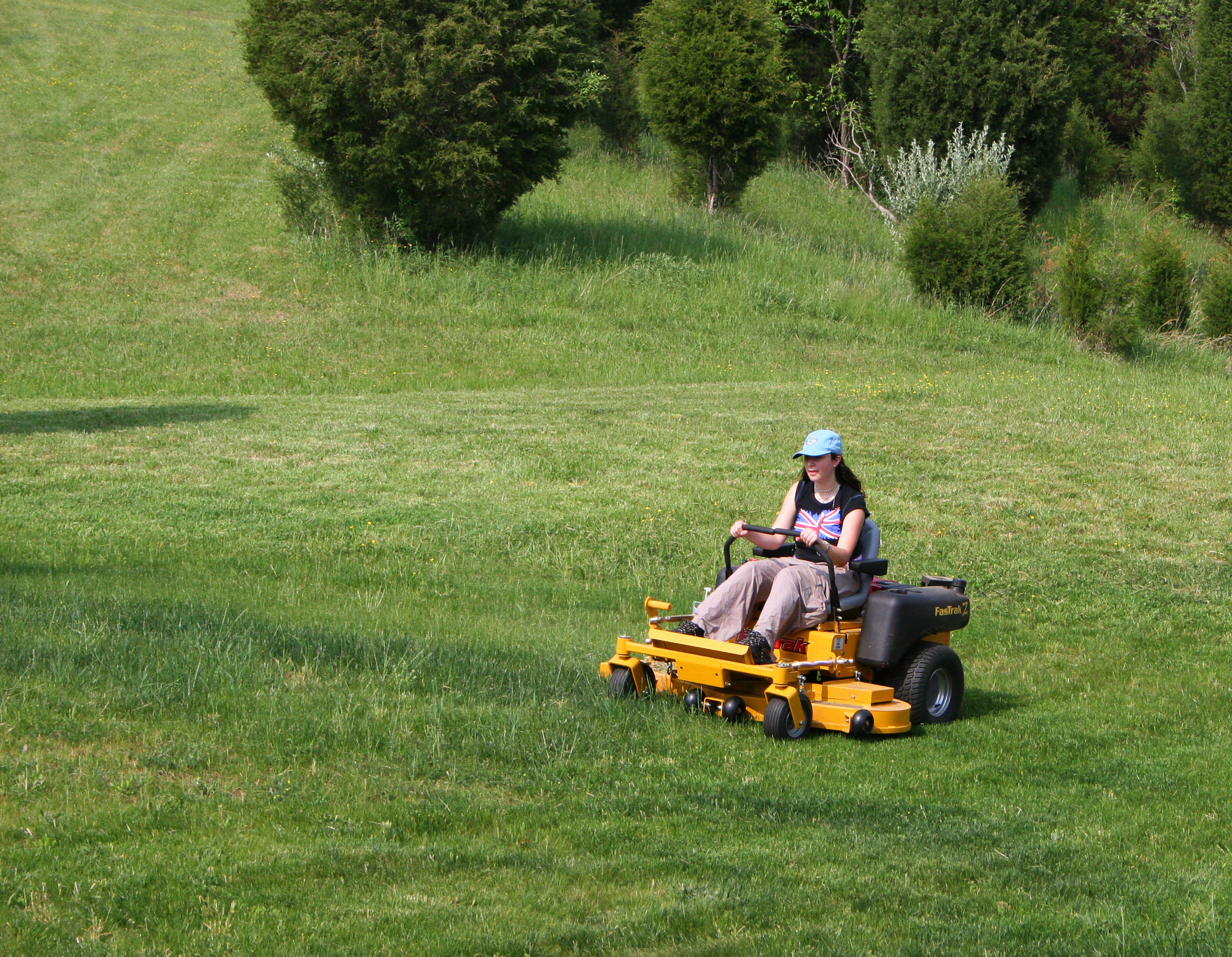
Learn More
- The Mutual Advantage: Engineered Excellence
Deck Construction
The construction of the deck itself directly affects cut quality and longevity. Premium decks use heavy-gauge welded steel with reinforced edges and feature thoughtful aerodynamic engineering that lifts grass cleanly before cutting — yielding the manicured finish a zero-turn is known for. Build quality also drives long-term durability, since the deck is the component most exposed to rocks, sticks, and other field hazards. Investing in a better deck pays back in cut consistency and the years of life you'll get from the machine before any major work is needed.
Benefits of Each Type of Zero-Turn Mower
Different zero-turn configurations are optimized for different conditions, workloads, and operator preferences. Choosing the type that aligns with your property and routine is the final step in matching the right mower to the right user. From homeowner-friendly residential models to heavy-duty commercial workhorses, each category brings distinct strengths to the table.
Residential Models
Built for homeowners maintaining their own lawns — lighter frames, friendly ergonomics, and excellent value for typical suburban property sizes.
Prosumer Models
A step up in build quality and engine power for larger properties or anyone wanting commercial-grade durability without the full commercial price tag.
Commercial Models
Heavy-duty machines designed to handle full workdays, demanding terrain, and the high hour totals that come with professional landscaping use.
Electric Models
Battery-powered zero-turns deliver quiet, emission-free operation and lower maintenance — an increasingly popular choice for eco-conscious owners.
Zero-Turn Mower Buyer's Guide · Part 3 of 6
Key Factors When Choosing a Zero-Turn Mower
A complete walkthrough of the considerations that matter most before you bring home your next zero-turn mower.
Table of Contents
- How to Choose the Best Zero-Turn Mower for You
- Your Specific Needs and Preferences
- Performance
- Comfort
- Serviceability
- Durability
- Benefits of Each Type of Zero-Turn Mower
- Top Talks
- Frequently Asked Questions
- Make an Informed Buying Decision
How to Choose the Best Zero-Turn Mower for You
Assess Your Specific Needs and Preferences
Knowing precisely what you want out of a mower goes a long way toward narrowing the field. The factors below — from how often you plan to cut to the terrain you're tackling — will help shape a smart, informed choice rather than a guess-based one.
User Purpose
The job you intend to do with the machine has a significant impact on which model deserves a closer look. Residential customers usually lean toward lighter, lower-powered units geared toward routine yard maintenance. Commercial operators, on the other hand, typically require beefier builds with stronger engines, expanded fuel tanks, and longer-wearing components designed to hold up through full workdays. Pinning down where you fall on that spectrum will steer you straight toward the right tier of equipment.
Acreage and Property Size
The amount of grass you cut every week is another major consideration. Zero-turn mowers come in a range of deck widths, with cutting widths typically running from 30 inches all the way past 70 inches. For more compact yards, a mower with a slimmer deck and a tighter footprint makes the most sense — easy to steer, simple to store, and quick to maneuver around obstacles. Larger landowners are better served by wider cutting decks, which dramatically cut down on mowing time. Striking the right balance between deck size and property size pays back every weekend in efficiency and convenience. For commercial use, a roughly 60-inch deck is generally regarded as the sweet spot.
Terrain and Obstacles
The makeup of your property — and what's planted, built, or scattered across it — matters more than many first-time buyers expect. Flat, open ground rewards almost any zero-turn. Slopes, sharp grades, or uneven sections call for a model engineered specifically with stability and traction in mind. Likewise, plenty of trees, garden beds, fence lines, or hardscape features means you'll want a mower nimble enough to weave around them without scalping or scrubbing the lawn. Matching your machine to your terrain protects both the equipment and the yard it's working on.
Learn More
- Best Lawn-Mowing Practices with Zero-Turn Mowers
Frequency of Use
How often you plan to fire up the mower changes the equation considerably. Cutting weekly across the full mowing season is a very different ask from occasional touch-ups on a small lot. Residential users mowing their own yards a couple of times a week can typically choose lighter-duty machines built for lower hour totals. High-frequency users, including landscapers and grounds crews logging hundreds of hours a season, need commercial-grade builds with reinforced frames, beefier spindles, and serviceable components designed to take the abuse week after week.
Budget and Price
Setting a realistic spending range up front keeps the search focused. Zero-turn mowers span a wide price band, from accessibly priced homeowner models to top-tier commercial rigs running well into five figures. Pinpointing your budget isn't just about the sticker — it's about pairing your budget with the features, durability, and warranty coverage you actually need. A slightly larger investment in the right machine often pays dividends in longevity, comfort, and reduced maintenance costs.
Entry-level mowers generally start around $3,000 and climb based on engine size, deck quality, suspension, and brand.
Performance
Engine Size and Power Source
The engine — and how much horsepower it produces — is the heart of any zero-turn. Bigger displacement engines with higher horsepower handle dense, wet, or tall grass with confidence and chew through larger properties in less time. Smaller engines are perfectly capable on flat, manageable lawns but can bog down quickly when conditions get tough. Power source matters too: gas remains the dominant choice for its raw power and quick refueling, but battery-electric zero-turns are gaining real traction thanks to lower noise, zero emissions, and minimal scheduled upkeep. Choose the configuration that matches both your workload and your priorities around fuel, noise, and environmental impact.
Cutting Width
Cutting width plays a direct role in how efficiently you'll get through your property. Smaller cutting decks, in the 30- to 42-inch range, navigate tight spots, gates, and hardscape features beautifully and suit smaller residential lots. Mid-size decks in the 48- to 54-inch range hit a versatile middle ground that handles most suburban yards comfortably. Decks of 60 inches and beyond are best reserved for sprawling acreage where every extra inch shaved off the mowing time adds up across the season.
Maneuverability
Maneuverability defines the zero-turn category. Independent drive levers let operators pivot the machine in place, follow tight curves around landscaping, and reverse cleanly out of corners — capabilities that traditional riding mowers simply can't match. The advantage really shows in yards with frequent obstacles to navigate: flower beds, trees, posts, play structures. When evaluating models, weigh how intuitive the steering controls feel, the responsiveness of the transmission, and whether the deck and chassis layout makes obstacle work feel natural rather than awkward.
Comfort
Comfort and ease of use have an outsized impact on whether mowing feels like a chore or a relaxing afternoon. Features like high-back padded seats, armrests, vibration-absorbing decks, ergonomically positioned controls, and intuitive cup or storage holders genuinely change the experience over a multi-hour session. For commercial users — or anyone mowing larger acreage — comfort isn't a luxury; it's productivity insurance against fatigue and discomfort.
Ease of Use
Comfort and ease of use are powerful productivity factors, especially for those operating long mowing windows. Features like high-back seats with lumbar support, ergonomic levers, vibration-isolated decks, and well-placed accessory storage make mowing genuinely pleasant rather than punishing. For pros — or anyone simply tired of fighting their machine — these touches translate into hours saved, comfort gained, and a yard that gets cared for more consistently.
Learn More
- The Mutual Advantage: Operator Experience
- Mutual Comfort: Commercial Series
Transportability
Transportability matters enormously to anyone shuttling between properties or storing the mower offsite. Different locations, finishes, and trailer configurations all come into play. Compact dimensions, lighter overall weights, and tie-down points that mate cleanly with common trailers all simplify loading and unloading. For homeowners, transportability primarily means easier off-season storage. For landscape crews running multiple stops a day, it's a critical workflow consideration that affects route timing, fuel costs, and how much equipment can move with the crew.
Serviceability
Long-Term Maintenance Costs
Service costs are another piece of the puzzle worth weighing carefully when choosing among zero-turn mowers. Some machines feature easy-access service points — flip-up decks, tool-free belt covers, and accessible filters — that genuinely shorten maintenance windows. Others bury common service items behind panels and require special tools to reach. Routine items like blade sharpening, belt changes, filter swaps, and spindle lubrication add up over the years, and the design of the machine determines whether those jobs take ten minutes or an afternoon. Looking at long-term cost of ownership — not just the purchase price — paints a much more accurate picture of what a mower will really cost you.
Warranty and Service Options
Warranty and service options carry a great deal of weight as well. Premium manufacturers usually back their machines with multi-year warranties on the deck and powertrain, alongside extended coverage on key wear components. Quality also shows up in dealer support: confirm the brand you're considering has nearby authorized service centers, in-stock parts availability, and trained technicians who can handle warranty repairs and routine maintenance alike. A strong dealer network can be the difference between a quick fix during peak mowing season and weeks of downtime waiting on parts.
Learn More
- Mutual Service
- Mutual Limited Extended Service for Mowers
Financing and Insurance Considerations
Financing and insurance shouldn't be afterthoughts when budgeting for a zero-turn purchase. Many dealers offer special-rate financing, seasonal promotions, or staged payment plans that can put a more capable machine within reach. Insurance is worth considering too, particularly on higher-priced commercial units — coverage protects against loss, theft, and damage on the way to or from job sites. Reviewing all the available financing and insurance options up front helps you build a smart, sustainable buying plan that fits your broader financial picture.
Learn More
- Special Offers
- Financing
Dealer Support
Dealer support is a vital part of choosing the long-term success and satisfaction of your zero-turn mower. A strong dealer network offers easy access to expert advice, quick maintenance services, and ready replacement parts. Look for dealers with a solid track record of customer satisfaction, well-trained technicians on staff, and a meaningful inventory of parts on the shelf. A dependable dealer translates the experience of owning a powerful piece of outdoor power equipment into something far less stressful — and far more rewarding.
Learn More
- About Mutual Dealers
- Find a Dealer
Brand Reputation
A brand's reputation tells you a great deal about what to expect from its products. Established names with a history of build quality and reliability are far more likely to deliver durable, high-performance machines than newcomers without a track record. Read reviews, ask for feedback from neighbors and landscape crews, and look at the brand's history with the specific category you're buying into. Reputable manufacturers also tend to stand behind their work with better warranty terms, deeper service networks, and more responsive customer support.
Learn More
- Mutual Quality
- About Mutual Company
- History of Mutual Company
Durability
Durability of a zero-turn mower defines how it weathers seasons and conditions. Top-tier machines are built with welded-steel frames and reinforced decks, beefy spindles, and quality bearings that simply outlast budget alternatives. Look closely at deck thickness, spindle housings, frame construction, and the materials used at high-wear points like axles and pulleys. Choose the mower built to hold up across years of regular use, and the long-term cost works out to far less than buying down and replacing earlier.
Learn More
- The Mutual Advantage: Engineered Excellence
Deck Construction
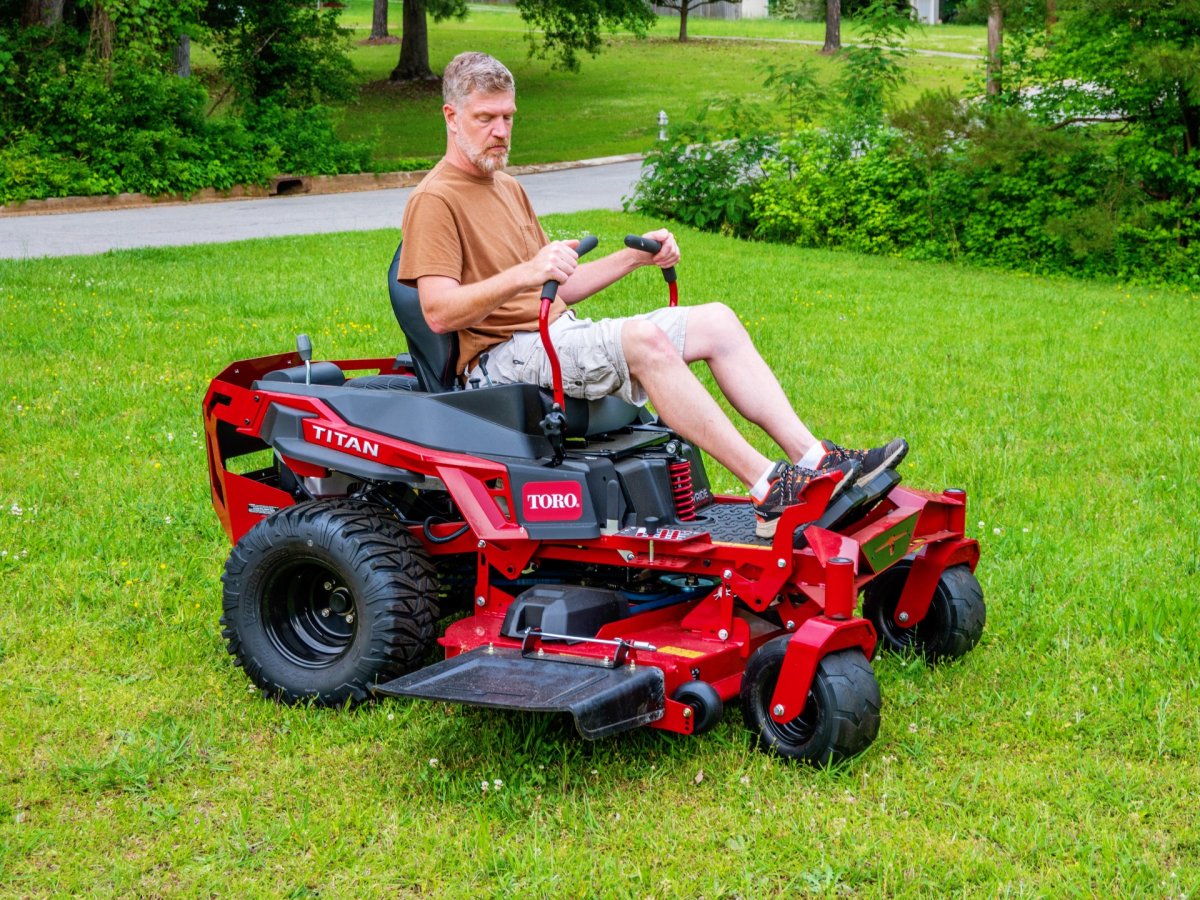
The construction of the deck itself directly affects cut quality and longevity. Premium decks use heavy-gauge welded steel with reinforced edges and feature thoughtful aerodynamic engineering that lifts grass cleanly before cutting — yielding the manicured finish a zero-turn is known for. Build quality also drives long-term durability, since the deck is the component most exposed to rocks, sticks, and other field hazards. Investing in a better deck pays back in cut consistency and the years of life you'll get from the machine before any major work is needed.
 Benefits of Each Type of Zero-Turn Mower
Different zero-turn configurations are optimized for different conditions, workloads, and operator preferences. Choosing the type that aligns with your property and routine is the final step in matching the right mower to the right user. From homeowner-friendly residential models to heavy-duty commercial workhorses, each category brings distinct strengths to the table.
Residential Models
Built for homeowners maintaining their own lawns — lighter frames, friendly ergonomics, and excellent value for typical suburban property sizes.
Prosumer Models
A step up in build quality and engine power for larger properties or anyone wanting commercial-grade durability without the full commercial price tag.
Commercial Models
Heavy-duty machines designed to handle full workdays, demanding terrain, and the high hour totals that come with professional landscaping use.
Electric Models
Battery-powered zero-turns deliver quiet, emission-free operation and lower maintenance — an increasingly popular choice for eco-conscious owners.