

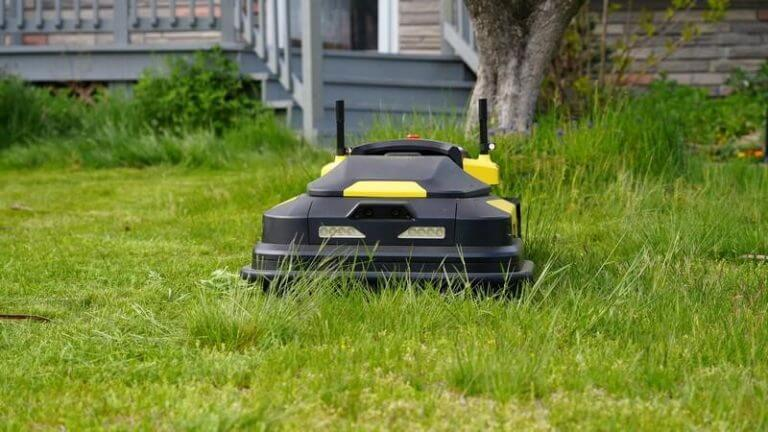
 When it comes to picking a lawn mower, size shapes the experience more than most homeowners realize. The width of the cutting deck, the strength of the engine, and the overall footprint of the machine all influence how efficiently and how comfortably you can mow. Whether you maintain a snug suburban lawn or a sprawling, uneven property, dialing in the right answer to "what size lawn mower do I need?" can save hours of effort and make your mowing time far more enjoyable.
This complete walkthrough on lawn mower sizes is designed to help you understand how mower width, yard dimensions, and terrain type work together, so you can confidently choose the perfect mower for your property.
Table of Contents
- Why Lawn Mower Sizes Matter
- How to Choose Your Lawn Mower Size
- Lawn Mower Options Based on Yard Size
- Additional Tips for Choosing the Right Mower
- Backyard Provider: A Brand You Can Count On
- FAQs
 Why Lawn Mower Sizes Matter
Picking the correct mower size impacts much more than how long mowing takes — it influences four key areas:
- Cutting precision and the final appearance of your lawn
- Operator comfort and how easy the mower is to control
- Storage space and ongoing maintenance demands
- Fuel consumption and long-term durability
If your mower is too small, you'll spend extra hours running back and forth across the lawn. If it's too large, navigating around trees, slopes, and fences becomes a struggle — and it can quickly lead to scuffed turf or damaged landscaping.
Finding your mower's sweet spot means balancing deck width with your lawn's actual size and terrain.
How to Choose the Right Lawn Mower Size
Answering "what size lawn mower do I need?" requires a bit of careful thought, but the payoff is huge: better efficiency, easier handling, and an overall healthier lawn. Here are the main factors to weigh.
Lawn Size
What lawn mower size do I need for a specific property? The rule of thumb is to match the deck width to the total area you're cutting — without overworking the engine or burning unnecessary fuel. A deck that's too wide stresses the motor and forces uneven cuts on uneven ground. A deck that's too narrow drags out the job, wears down belts and spindles, and wastes time.
| Lawn Size | Recommended Deck Width | Ideal Mower Type |
|---|---|---|
| Up to ¼ acre | 14–18 inches | Push mower |
| ¼–½ acre | 20–36 inches | Self-propelled mower |
| ½–1 acre | 36–42 inches | Riding mower |
| 1–3 acres | 42–54 inches | Lawn tractor |
| 3+ acres | 54–60 inches | Zero-turn or robotic mower |
Terrain and Obstacles
If your lawn has slopes, trees, or narrow walkways, smaller and more agile mowers perform best. On open, flat terrain, you can safely run wider-deck models for faster mowing.
- Slopes and inclines — Look for all-wheel or hydrostatic-drive systems for steady traction.
- Tight turns and flower beds — Pick compact decks for tight maneuvering.
- Open flat fields — Wide-deck mowers save time on each pass.
A smooth, level lawn makes the "what size lawn mower do I need" answer simpler, but rough terrain calls for flexibility and traction control. Wider mowers with stiff decks may scalp dips and bumps if you don't account for shifting ground or floating decks. Whenever possible, consider raised flower beds, root-filled patches, or complicated fencing as you size up your final pick.
Time and Effort
If you want to trim mowing time in half, opt for a larger deck with enough horsepower to back it up. Just remember that bigger machines also mean more weight — which can lead to soil compaction. The right deck width plus power balances cutting speed, engine strength, and ease of operation for your schedule and comfort.
Storage and Maintenance
A 54-inch deck mower may stretch the limits of your average garage stall. Before you commit, measure your storage space carefully, including the height needed for ceiling clearance and access points. Also keep in mind:
- Blade sharpening and replacement intervals
- Belt and spindle servicing
- Oil and filter swaps
Storage capacity matters when asking "what size lawn mower do I need?" Routine blade sharpening calls for enough room to flip or lift the machine safely. Larger mowers with more blades need more frequent maintenance to stay sharp and pulley-aligned. Be sure your setup can handle the servicing needs of the mower size you pick.
Lawn Mower Options Based on Yard Size
Many homeowners forget to consider storage footprint when answering "what size lawn mower do I need?" Different lawn sizes call for different mower categories. Let's break it down.
Small Yards (Under ¼ Acre)
Ideal Type: Push mower with a 14–18-inch deck.
Why: Lightweight, easy to maneuver around tight gardens and fenced areas.
Tip: Try an electric push mower for quiet, eco-friendly operation.
Medium Yards (¼–1 Acre)
Ideal Type: Self-propelled mower in the 20–36-inch range.
Why: Built-in drive assistance while keeping good agility around obstacles.
Tip: For gentle slopes, choose an all-wheel-drive model for steady traction.
Large Yards (1–3 Acres)
Ideal Type: Riding mower with a 36–42-inch deck.
Why: Covers more ground efficiently and adds long-session comfort.
Tip: Look for hydrostatic transmission and ergonomic seating.
1 Acre and Above
Ideal Type: Zero-turn or robotic mower (42–60-inch deck).
Why: Razor-sharp pivoting, fast cutting, and full coverage.
Tip: For acreage, robotic options handle the job hands-free.
| Lawn Size | Mower Type | Advantage |
|---|---|---|
| Small Lawns (0.25 Acre or Less) | Push mower / Electric mower | Lightweight and easy to maneuver — eco-friendly and quiet operation with low maintenance |
| Medium Lawns (0.25–1 Acre) | Self-propelled mower / Electric mower | Less physical effort, ideal for lawns with slopes or hard-to-reach corners |
| Large Lawns (1–3 Acres) | Riding mower / Zero-turn mower | Faster cutting for big areas with excellent maneuverability for complex layouts |
Additional Tips for Choosing the Right Lawn Mower
When figuring out which lawn mower size to buy, it's smart to match the mower to both your lawn area and the terrain underfoot. Here are some extra pointers to guide your selection.
Power Source
Pick a lawn mower with high-capacity lithium-ion batteries if you mostly need light torque for thinner grass or open rolling terrain. Gas-powered mowers offer higher torque and longer runtimes for thick growth or large lots. For battery models, weigh both voltage rating and amp-hour capacity to gauge real-world performance.
Cutting Width and Deck Size
Match the deck width and airflow to the layout of your yard. Larger decks let bigger lawn mowers save time but struggle through tight curves. When picking what size lawn mower you need, deck width, blade overlap, and steering radius all play a role in landing the perfect balance.
Durability and Ease of Operation
Steel-deck thickness of every lawn mower impacts long-term reliability under rough use. Look for sealed bearings and well-built drive systems for smooth slope mowing. When picking what size lawn mower you need, ergonomics and weight distribution can save your back over years of yard work.
Backyard Provider: A Brand You Can Count On
As a true innovator in outdoor power, Backyard Provider works hard to make your lawn mowing experience easier and more rewarding. We've curated a lineup of mowers that handles every yard size with confidence, with units engineered for high performance through long mowing sessions, year after year. Backyard Provider's top picks for the best lawn mowers for your yard include:
- Large Area Coverage: Covers up to six acres (25,000m²) for sprawling backyards and large estates. Backyard Provider's lineup pairs reliable cutting performance with steady traction across every inch of your lawn.
- All-Terrain Reliability: Whether you're mowing flat suburban turf or hilly rural acreage, our mowers stay surefooted on uneven landscapes.
-
Smart Maneuverability: With razor-sharp pivots and tight turning radii, our zero-turn options weave around trees, fences, and flower beds without losing precision.
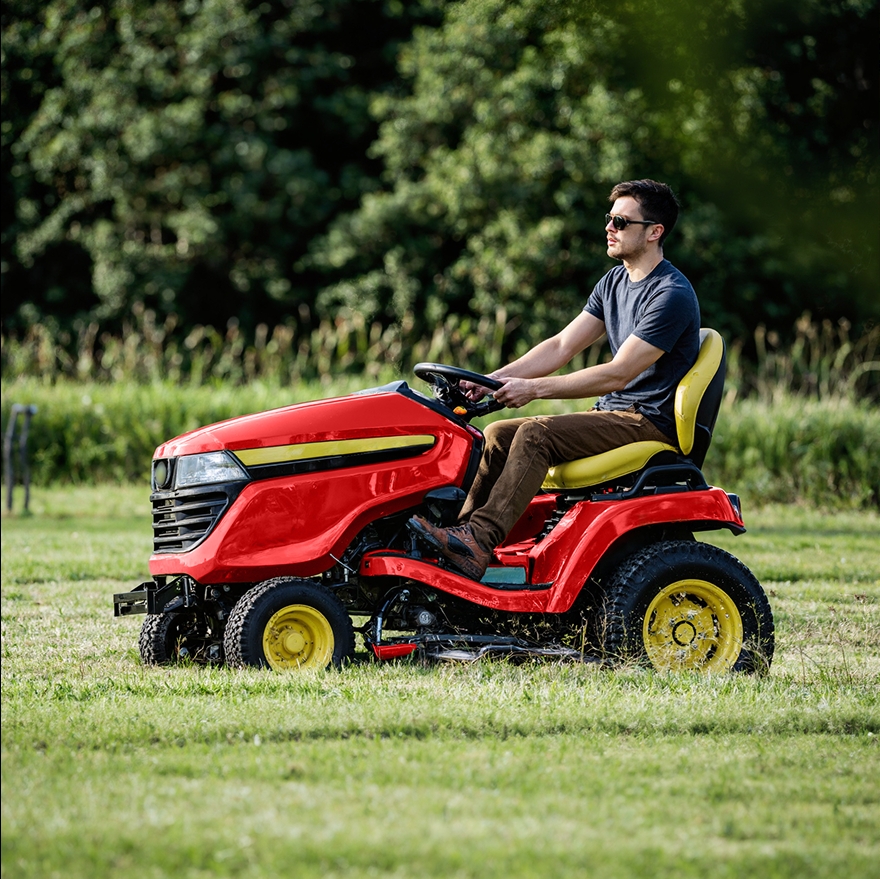
Ready to upgrade your yard work? The Bad Boy ZT Avenger 54-inch Zero Turn Mower delivers professional-grade cutting power with a 23hp Kawasaki FR691 engine — built for serious yards and serious operators.