

If you've been wondering how to convert your bathroom into a functioning steam room without getting lost in complicated steps, this guide has you covered. We'll walk you through every stage — from essential safety gear and space prep to choosing the right generator and steam controls. Let's build something incredible.
Safety Considerations Before You Begin
Whether you're a seasoned DIYer or hiring a professional, steam room installation demands respect for safety. Working with heat, moisture, and electrical components means you need the right tools and protective gear before anything else.
Essential Tools for Steam Room Installation
Once you have all your tools on hand and are wearing appropriate protective equipment, you're ready to move forward with confidence.
Setting Up Your Bathroom for a Steam Room
The first step is evaluating your existing bathroom space. If you have a shower stall, you may need to modify or remove it to accommodate a steam-capable enclosure. If you're building from scratch, you have more flexibility from the start.
Regardless of your starting point, the following six considerations are critical before you install a single tile:
Your steam room must be completely enclosed — no gaps or vents that allow steam to escape. Any openings at the top or bottom must be sealed to keep steam inside effectively.
If your bathroom features a tub-shower combo, replace the tub wall with a steam-friendly enclosure that can properly contain steam throughout a session.
Your walls and floors must handle persistent heat and moisture. Replace old tiles with porcelain or use film-faced glass tiles for the walls. Ensure surfaces are heat-resistant, crack-free, and well-sealed.
Waterproofing is critical. Use insulated, watertight doors with a special gasket to prevent steam from leaking. Without proper sealing, your steam room will lose both heat and humidity quickly.
Slope the bathroom floor slightly for easy drainage. Choose textured tiles or install anti-slip strips to prevent accidents when the floor becomes slippery from steam condensation.
Exceeding 8 feet in ceiling height means you'll need a significantly more powerful generator to fill the space with steam. Stay within this limit to keep costs manageable.
Finding the Right Steam Generator for Your Bathroom

The steam generator is the heart of your steam room. Selecting the right one depends on the size of your bathroom, how many people will use it at once, and how much steam output you need.
Key Factors When Choosing a Steam Generator
Choose a generator that's appropriately sized for your space. Larger rooms require more powerful units to create the necessary steam pressure and coverage throughout the enclosure.
Steam generators can be installed up to 60 feet away from the shower or steam room — inside a closet, attic, or basement. Always follow manufacturer ventilation guidelines.
Generator capacity varies based on tile material and wall insulation, both of which affect how much steam is needed. Choose a unit with adequate capacity for an even, consistent experience.
Taller steam rooms require more powerful generators to maintain consistent steam levels. Factor ceiling height into your generator specification before purchasing.
Steam Shower Controls: Managing Your Session Easily
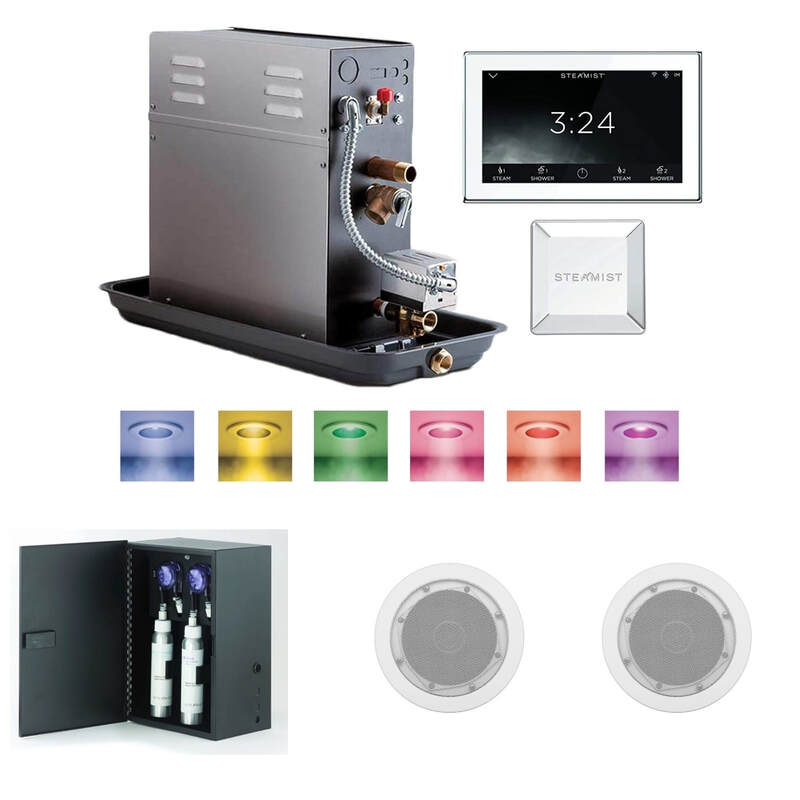
A steam shower control is the command center of your steam setup. Installed inside the steam room, it lets you start, stop, and customize your sessions without stepping out of the enclosure.
Modern controls have evolved dramatically. Today's units feature touchscreen displays, temperature presets, session timers, and even smartphone connectivity — a massive upgrade from older push-button models.
Where to Install It
You can mount the control inside or outside the steam room. For maximum convenience, install it inside the enclosure so you can adjust temperature or session time without interrupting your session.
Compatibility Matters
Always match your control to your generator brand. Mixing incompatible controls and generators can cause errors, reduced functionality, or even system failure over time.
Placing the Steam Head Correctly
The steam head is where steam enters the room, making its placement critical for both comfort and performance.
Mounting the steam head low allows steam to rise naturally and evenly fill the entire enclosure from floor to ceiling.
Place the steam head across from where you'll be sitting to prevent direct contact with steam — which can feel uncomfortably hot at close range.
Always choose a cool-to-touch steam head to reduce the risk of accidental burns, especially in bathrooms used by children or older adults.
Choosing the Right Seating for Your Steam Room
Sessions can last 30–45 minutes, so seating comfort and material durability matter significantly. Here are the key things to keep in mind:
Teak, Cedar, or Redwood are ideal — naturally comfortable and suited for warm, moist environments.
For smaller bathrooms, a wall-mounted seat that folds up saves space without sacrificing comfort.
Ensure seating is securely installed with a slight slope or ventilation gaps underneath to prevent water pooling.
Enhance Your Steam Shower with These Add-Ons
Once the essentials are in place, these optional upgrades can transform your steam room into a true luxury spa experience at home:
Ensure even steam distribution throughout the entire enclosure.
Set session durations precisely so the room reaches your ideal temperature before you step in.
Adjust lighting, music, steam, and aromatherapy from one intuitive panel.
Electronically atomize essential oils into the steam for therapeutic relaxation.
Vapor-sealed LED lighting uses color to influence mood and well-being.
Waterproof Bluetooth speakers let you enjoy music or podcasts during every session.
Installation: Custom Build vs. Modular Unit
When setting up your steam shower, you have two main paths: a fully custom steam room or a modular steam shower unit. Your choice directly affects how the installation unfolds.
Modular steam showers are constructed from durable acrylic and often come as all-in-one units — with a steam generator, showerheads, sealed doors, built-in seating, and standard bath faucets included. They're designed for easy residential installation and are typically the faster, more budget-friendly option.
Custom steam showers, on the other hand, give you full freedom in materials, layout, dimensions, and features. Each component is sourced and installed individually, offering maximum personalization — at a higher cost and complexity.
Benefits of Building a Steam Room in Your Bathroom

Adding a steam room to your home is more than a luxury upgrade — it's a wellness investment. Here are the most compelling health and lifestyle benefits:
Warm steam opens pores, cleanses skin, and creates a calming environment that naturally reduces stress and anxiety.
Steam stimulates sweating, flushing toxins through open pores and supporting overall immune function.
The moist air loosens mucus, opens airways, and can reduce respiratory symptoms for asthma or allergy sufferers.
Steam deeply moisturizes skin, making it softer and more supple — especially valuable in colder, drier months.
Penetrating warmth relaxes tight muscles, eases joint stiffness, and accelerates post-exercise recovery.
Heat exposure increases blood flow throughout the body, supporting cardiovascular wellness and energy levels.
Steam Room vs. Steam Shower: Which One Should You Choose?
Both options deliver genuine steam therapy benefits, but their design, footprint, cost, and installation requirements differ considerably.
What Is a Steam Shower?
A steam shower is a sealed enclosure fitted with a built-in steam generator. It heats water and releases steam into the shower space, creating a spa-like atmosphere. Steam showers are compact, fit into standard shower stalls, and are significantly easier to install than full steam rooms.
Key Differences at a Glance
| Feature | Steam Shower | Steam Room |
|---|---|---|
| Size | Compact — fits standard shower space | Larger — requires more bathroom area |
| Typical Users | 1–2 people | Multiple people at once |
| Installation | Easier and quicker | More complex; best with experience |
| Cost | More budget-friendly | Higher, especially for custom builds |
How to Decide What's Right for You
Compact bathroom? A steam shower is your best bet. Larger space? A steam room offers a more immersive experience.
For solo sessions, a steam shower is ideal. For family or partner use, a steam room gives everyone more space.
Steam showers are more affordable upfront. Steam rooms are a larger investment but worth it for those going all-in on home wellness.
Steam showers are easier to DIY. Steam rooms are more rewarding to build but require greater skill or professional help.
Factors to Consider Before Building a Steam Room
Before you commit to a steam room build, evaluate these key planning factors carefully:
Make sure the space is large enough for your intended number of users, with proper ventilation and easy accessibility for both safety and air quality.
Size your generator to your room's volume. Larger rooms need more powerful units — and higher output means greater energy consumption. Balance performance with operating cost.
Select a corrosion-resistant steam head compatible with your generator and room size. Proper placement and quality materials ensure safe, even steam distribution over the long term.
Use non-porous materials like porcelain or glass tile. Avoid natural stone or unglazed ceramic — they absorb moisture, harbor bacteria, and deteriorate faster in steam environments.
Tips for Maintaining Your Steam Room
Building your steam room is just the beginning. Regular upkeep ensures it performs at its best for years to come and protects your investment:
-
1
Clean Regularly: Wipe down walls, floors, and benches with a non-abrasive cleaner after each use. Clean the steam head and generator to prevent mineral buildup and maintain hygiene.
-
2
Ensure Proper Ventilation: Good ventilation prevents mold and mildew growth. Install fans or vents as needed to remove excess humidity after each session.
-
3
Use High-Quality Essential Oils: Only use steam-safe essential oils for aromatherapy. Always check the manufacturer's instructions to ensure safe and effective usage.
-
4
Follow Maintenance Guidelines: Refer to your manufacturer's maintenance schedule for cleaning and servicing the generator, valves, and other system components on time.
-
5
Check for Leaks Regularly: Inspect door seals and steam head fittings on a regular basis. Seal any leaks immediately to maintain proper pressure and prevent moisture damage to surrounding walls.
Ready to Build Your Steam Room?
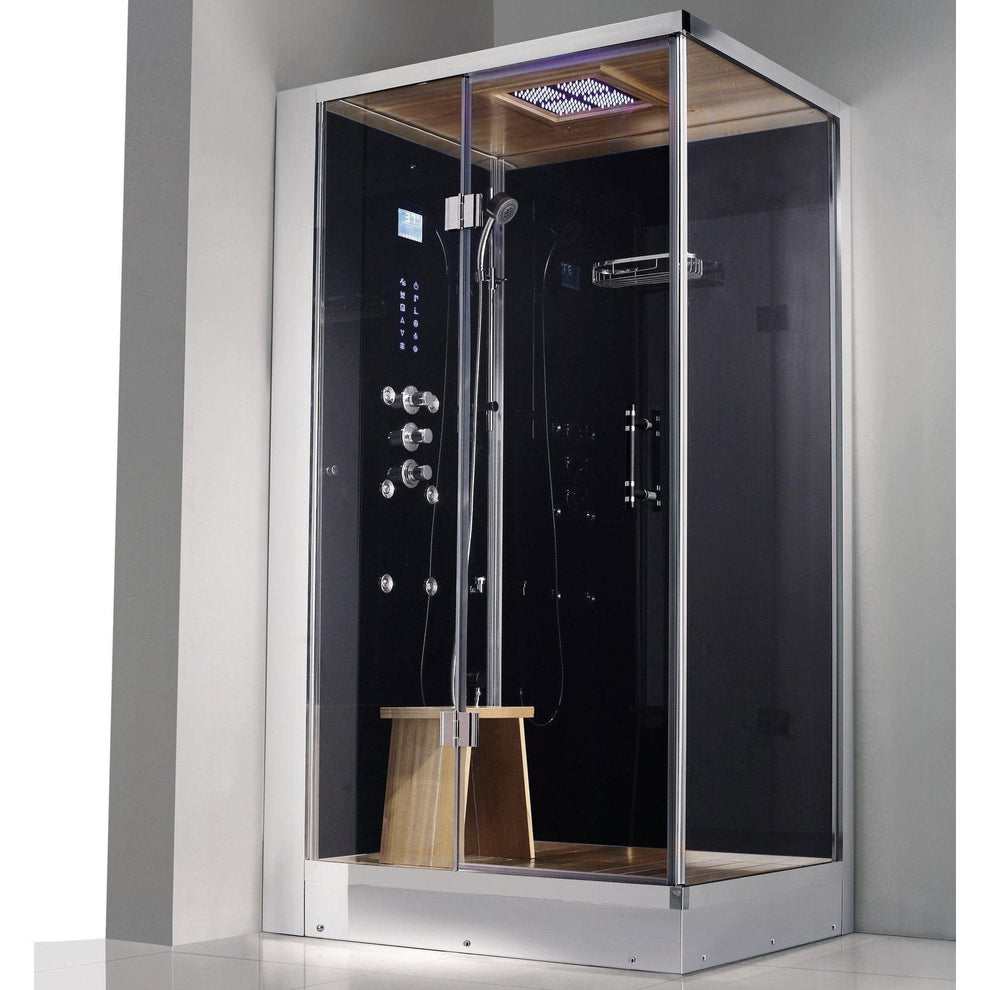
You now have everything you need to plan and build your dream home steam room. Whether you're going the modular route or a full custom build, the Athena WS109 Steam Shower is the perfect all-in-one starting point — combining premium construction, smart controls, and spa-level performance in one sleek package.
Athena WS109 Steam Shower