

In This Guide
Why getting the right heat pump size matters • The dangers of undersized and oversized systems • Why generic rules of thumb fall short • Professional methods for accurate sizing
Why Getting Your Heat Pump Size Right Is Critical
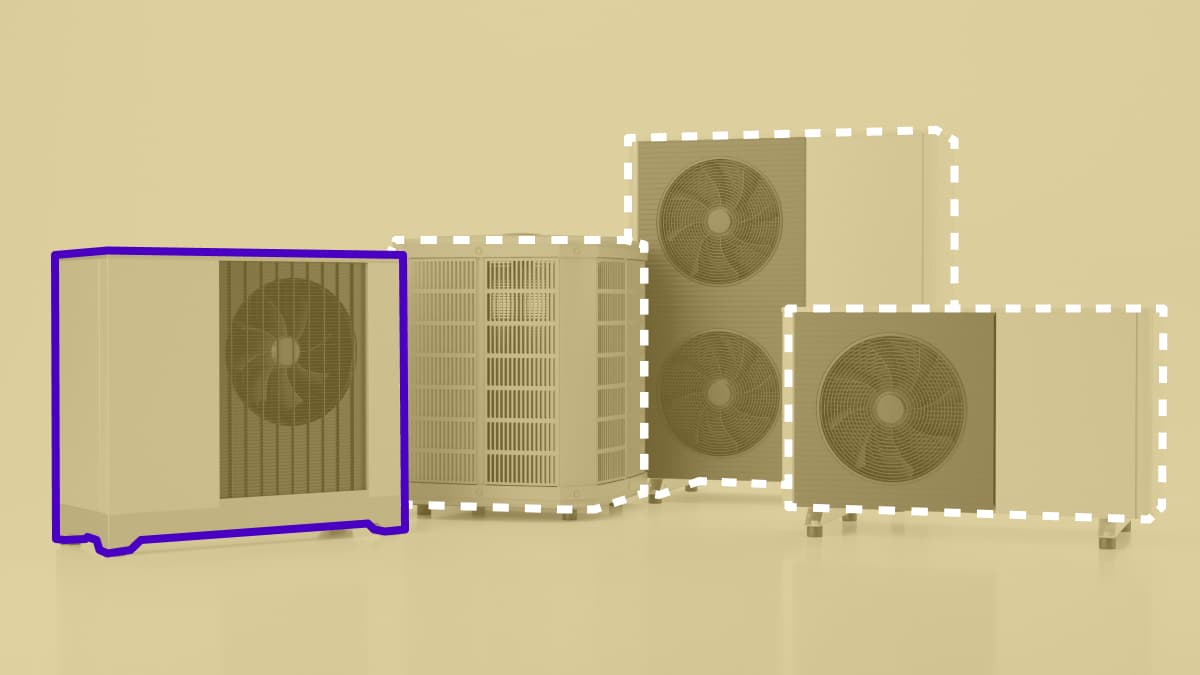
Heat pumps serve double duty — they warm your home in winter and cool it in summer. To keep your living space consistently comfortable throughout the year while saving on energy costs, selecting the correct size is absolutely essential.
When you install a heat pump that isn't properly sized for your home, you're setting yourself up for a range of problems that can affect everything from your monthly energy bills to the lifespan of the equipment itself.
A heat pump that's too small will constantly struggle to keep up with demand during extreme temperatures. Your home won't reach the desired temperature on the coldest days, and the system will run nonstop, driving up electricity bills. While backup electric resistance heaters may kick in, they consume far more energy than a properly matched heat pump would use on its own.
Going too large creates a different set of headaches. An oversized heat pump cycles on and off too frequently — it blasts conditioned air, quickly hits the thermostat target, then shuts down. This constant cycling creates hot and cold spots, reduces dehumidification (a major concern in humid climates), raises your upfront costs, and wears out the equipment faster. Variable-speed models handle this better, but even they can overshoot at their lowest settings if significantly oversized.
In regions with high humidity, proper sizing becomes even more important. A correctly sized system runs long enough to pull moisture from the air, keeping your home mold-free and comfortable. An oversized unit shuts off before it can adequately dehumidify, leaving your home feeling clammy even when the temperature reads correctly.
Beyond comfort concerns, an oversized system comes with a higher purchase price, increased operating costs from short-cycling, and accelerated wear and tear — meaning you'll face a costly replacement sooner than expected.
Why Generic Rules of Thumb Don't Work
If you've ever searched online for heat pump sizing advice, you've probably encountered a common formula: allocate 30 BTUs of heating capacity for every square foot of living space you want to condition. Under this simplified method, a 2,000-square-foot home would supposedly need a 60,000 BTU unit.
Ask a contractor, and you might hear a slightly more nuanced version — divide your home's total square footage by 500 to estimate the tonnage required. For a 2,000-square-foot house, that rule of thumb would suggest a 4-ton system. Since one "ton" of heating capacity equals 12,000 BTUs, you'd be looking at 48,000 BTUs.
The Problem With These Shortcuts
When compared against real-world heating load data from the Massachusetts Clean Energy Center, these rules of thumb are almost always inaccurate. In a study of 1,000-square-foot homes, the standard BTU-per-square-foot method suggested a 30,000 BTU system, while the tonnage formula pointed to a 24,000 BTU unit. Neither estimate came close to the actual heating loads, which were all well below 12,000 BTUs — a dramatic difference that could leave homeowners with a vastly oversized and inefficient system.
Even the slightly better tonnage formula, which produces more conservative numbers, still oversized systems by 30% or more in many cases. The result? Roughly one in three homeowners following these guidelines would end up with an oversized unit — leading to uncomfortable temperatures, wasted energy, and potentially the need for expensive backup resistance heating on the coldest nights.
The bottom line: poorly sized heat pumps defeat the entire purpose of upgrading to this efficient technology. Online calculators and rules of thumb simply can't account for all the variables that affect your home's unique heating and cooling demands.
How to Properly Size a Heat Pump
The most reliable approach to selecting the right heat pump involves hiring a qualified HVAC professional to perform three key assessments: a blower door test, a Manual J load calculation, and a Manual S sizing calculation.
Blower Door Test
A blower door test uses a specialized fan installed in a door frame along with a large canvas seal to pressurize your home. By measuring the ACH (air changes per hour) or CFM (cubic feet per minute), a technician can determine how airtight your house is. This data reveals whether air sealing should be addressed before installing a heat pump and helps gauge the capacity your system will actually need.
Manual J Load Calculation
The Manual J calculation is the gold standard for residential load assessment, developed by the Air Conditioning Contractors of America (ACCA). Unlike simple modeling tools, Manual J accounts for your home's insulation levels, window count and type, local climate extremes, number of appliances, and occupant behavior — delivering a precise picture of the heating and cooling energy your home demands year-round.
Manual S Sizing Calculation
Also created by ACCA, the Manual S calculation translates the Manual J findings into a specific equipment recommendation. It ensures that the system your contractor selects matches the exact heat gain and heat loss profile of your home throughout every season. A correctly matched system means peak efficiency, consistent comfort, and a longer equipment lifespan — no guesswork involved.
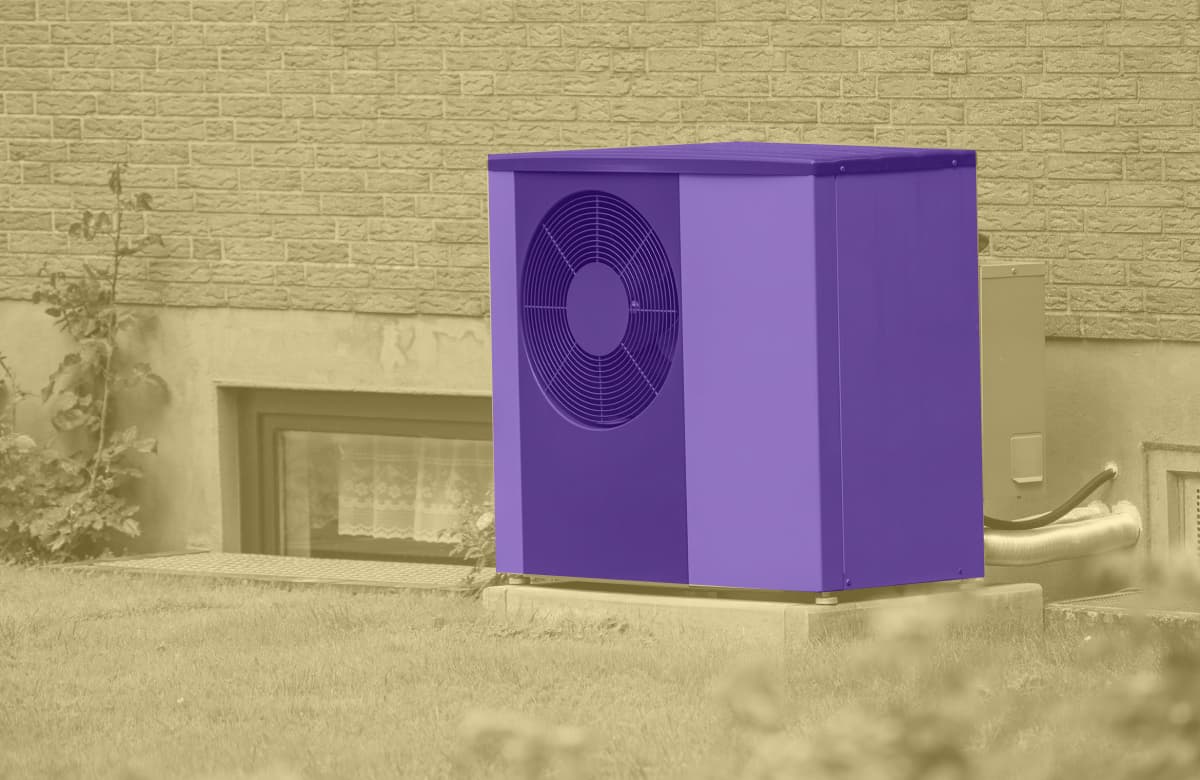
A residential load calculation takes into account the full picture: your geographic location, the number and orientation of windows, insulation quality, the amount of air leakage, how many people live in the home, and what appliances generate heat. All of these factors combine to determine the exact amount of heating and cooling capacity your home requires throughout the year.
Other load calculation methods exist — including whole-building energy modeling and simplified black box modeling — but Manual J remains the industry benchmark because it specifically targets HVAC system design and accounts for the unique characteristics of each individual home, including extreme weather conditions and real-world occupancy patterns.
The Bottom Line
A precision-fit heat pump delivers the best comfort, the lowest operating costs, and the longest lifespan. Always request both a Manual J and Manual S calculation from your contractor — it's the difference between guessing and knowing.
Ready to Upgrade Your Home Comfort?
Explore our selection of professionally rated heat pump systems built for efficiency and lasting performance.
Armstrong Air 3-Ton Heat Pump 14 SEER