

Inflatable kayaking has become one of the most accessible and enjoyable ways to experience life on the water. Whether you are dreaming of a peaceful afternoon on a quiet lake, a heart-pumping whitewater adventure, or even a multi-day fishing expedition, an inflatable kayak can make it happen. These remarkably versatile watercraft are portable, easy to store, and surprisingly capable in a wide range of conditions. If you have ever wondered what all the excitement is about, this guide will walk you through everything you need to know — from choosing the right boat to planning your first trip on the water.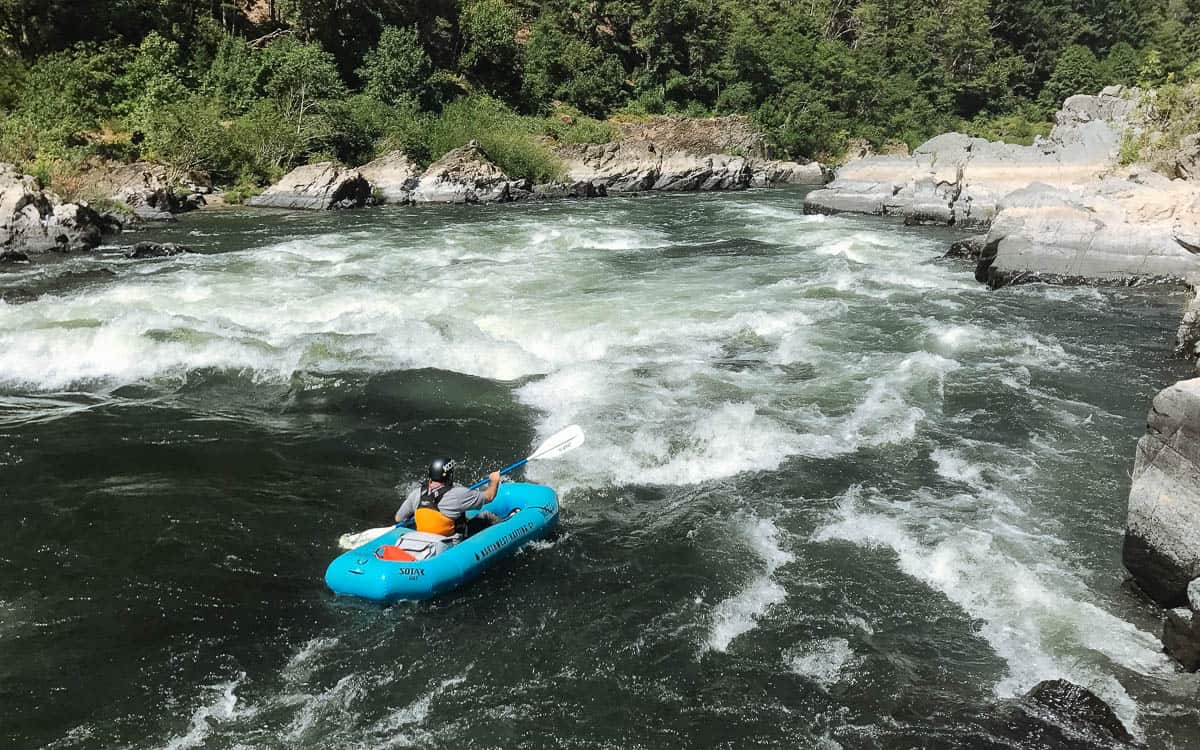
What Exactly Is an Inflatable Kayak?
At its core, an inflatable kayak is a lightweight, air-filled watercraft typically constructed from durable materials like PVC, Hypalon, or reinforced nylon. Most models measure between 10 and 15 feet in length and consist of two side tubes, an inflatable floor, and some form of seat. They can accommodate anywhere from one to three paddlers depending on the design. You will find them available in single-chamber and multi-chamber configurations, with multi-chamber models offering added safety in case of a puncture.
One important thing to keep in mind is weight capacity. Before you buy, always check how much gear and passenger weight your kayak can safely handle. Overloading an inflatable kayak will compromise both its stability and how easily it tracks through the water, making your outing far less enjoyable than it should be.
Exploring the Different Types
Recreational & Flatwater Kayaks
If your idea of the perfect day involves gentle paddling on a calm lake or slowly exploring a winding river, a recreational inflatable kayak is your ideal companion. These boats are designed with comfort and ease of use as top priorities. Many models come packed with family-friendly features — think cup holders, extra storage pockets, and wide, stable hulls that make them perfect for beginners and kids alike. Some fishing-specific versions even include rod holders, tie-down points, and reinforced floors for standing. Both recreational and fishing inflatable kayaks often feature a keel on the underside to help them track straight in flat water.

Whitewater Inflatable Kayaks
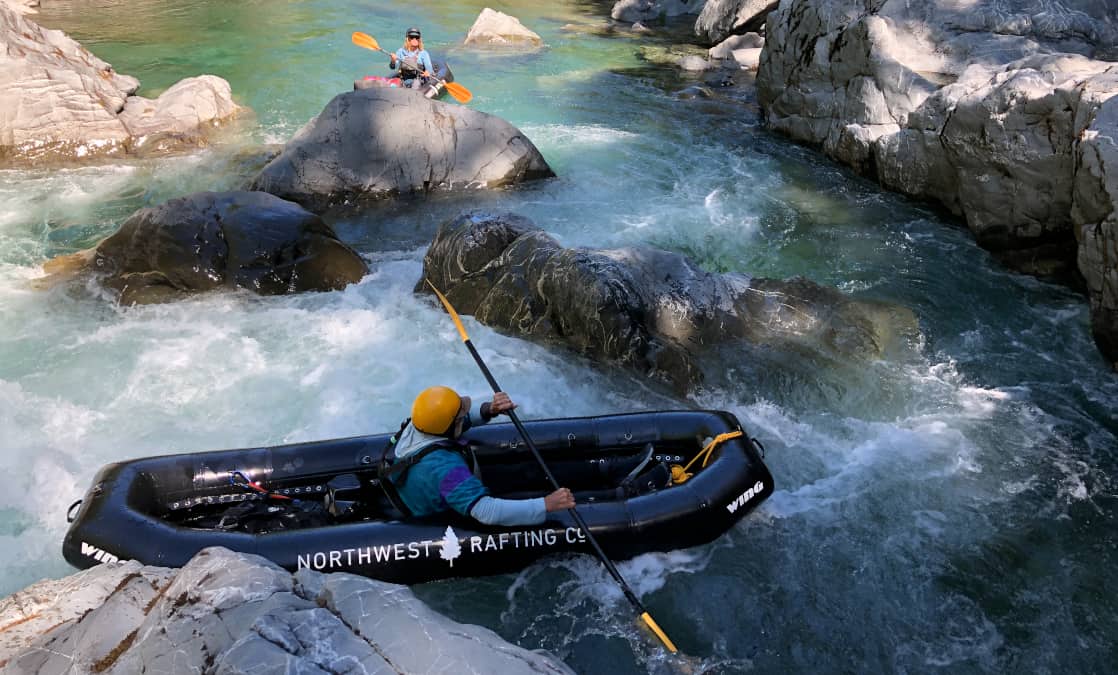
For those who crave a bit more adrenaline, whitewater inflatable kayaks are built to handle rapids and rough conditions. You do not need to own a traditional hardshell boat to enjoy serious river running — many inflatable models are designed by companies that specialize in whitewater craft, and they can handle surprisingly challenging water. These kayaks tend to be heavier and more robust, featuring double-bladder construction for added puncture resistance and built-in loops for strapping down your gear. Brands well known in the whitewater community produce some of the most stable and durable inflatable options on the market, making them a favorite among river runners everywhere.

Expedition Inflatable Kayaks
If you are the type of adventurer who measures trips in days rather than hours, expedition inflatable kayaks are worth a serious look. Typically weighing between 25 and 30 pounds, these ultra-portable boats are purpose-built for multi-day journeys where every ounce counts. They are easy to strap to a backpack and carry into remote areas that hardshell kayaks simply cannot reach. Keep in mind that the lighter materials used in expedition models can sometimes be more prone to wear, so always pack a repair kit. Despite this trade-off, expedition inflatables perform admirably in both mild whitewater and open water, giving you the freedom to tackle a wide variety of conditions on longer adventures.

Storing & Repairing Your Inflatable Kayak
One of the biggest perks of owning an inflatable kayak is how easy it is to store when you are not out on the water. Unlike rigid boats that need dedicated rack space or garage room, an inflatable rolls up compactly and tucks away in a closet. The key to longevity is making sure your kayak is completely clean and dry before storing it. Keep it in a cool, dry spot out of direct sunlight, and avoid harsh chemical cleaners — a gentle all-purpose cleaner or material-specific product is all you need.
If your kayak does sustain damage, repairs are generally straightforward. Inflatable kayaks are made from a range of materials including PVC variants, urethane, and coated nylon, so make sure you use the correct adhesive and patch material for your specific boat. Most kayaks ship with a basic repair kit, and keeping a roll of compatible repair tape on hand is always a smart idea for quick fixes on the trail.
Planning Your First Inflatable Kayaking Trip
Once you have picked out your kayak, it is time to start thinking about getting on the water. Along with the kayak itself, you will need a quality paddle, a reliable pump, and a properly fitted personal flotation device — no exceptions. If you plan on tackling whitewater or heading out on an extended expedition, adding a helmet, sturdy water shoes, and that all-important repair kit to your gear list is a must.
One of the great advantages of inflatable kayaks is that even if you capsize, getting back in is remarkably easy compared to a hardshell. That peace of mind makes them an especially forgiving choice for newcomers. And above all else — do not forget to bring along your sense of adventure and a good friend or two. The best memories on the water are shared ones.
The Bottom Line
Inflatable kayaking is one of the most rewarding ways to enjoy the outdoors, explore new waterways, and experience the thrill of paddling — all without the hassle of transporting and storing a traditional boat. When shopping for your perfect inflatable kayak, keep these five key factors in mind:
Happy paddling!
Shop Our Selection
Aquaglide Universal Connection