

Fishing from a kayak opens up a whole new world of possibilities on the water. Whether you're heading into calm lakes, weaving through marshes, or tackling coastal waters, a fishing kayak gives you the freedom to reach spots that bigger boats simply can't. It blends the excitement of paddling with the thrill of reeling in a catch — and it does it all at a fraction of the cost of a motorized vessel.
With so many options available, selecting the right fishing kayak can feel overwhelming. To simplify your decision, there are a handful of key factors worth considering:
- Style: Do you prefer a sit-on-top, inflatable, or traditional sit-inside kayak?
- Propulsion: Are you going with paddles or upgrading to a pedal system?
- Weight capacity: How much gear will you be bringing along?
- Transport: Can you roof-rack it, or do you need something more compact?
- Fishing waters: Will you fish on sheltered lakes, rivers, or open ocean?
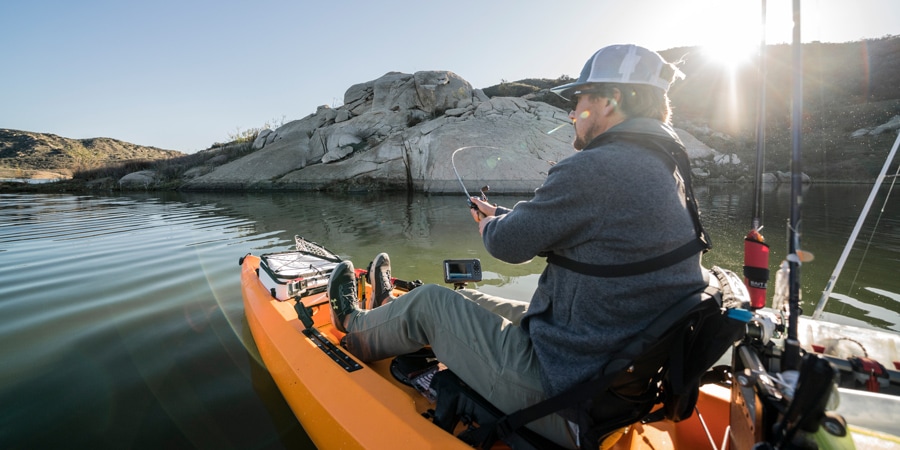
Types of Fishing Kayaks
Understanding the main hull designs and their advantages.
Sit-on-Top Kayaks
Sit-on-top kayaks dominate the fishing kayak market, and for good reason. They give anglers plenty of room to move around, making it easy to cast from multiple angles, manage tackle, and even stand up in calmer conditions. The open deck design means water drains freely through scupper holes, so you never have to worry about bailing out the cockpit.
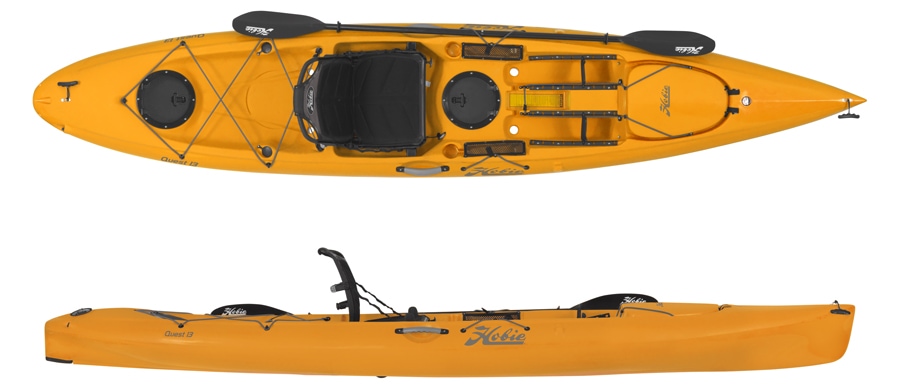
Key advantages of sit-on-top models include superior stability, easier entry and exit, a more spacious deck for gear, and self-draining scupper holes. Many higher-end versions come with built-in rod holders, mounting rails for accessories, and dedicated tank wells for storage crates. They tend to be wider and heavier than other kayak styles, which contributes to their rock-solid stability on the water.
Inflatable Kayaks
If storage and portability are at the top of your priority list, inflatable fishing kayaks deserve serious consideration. These compact vessels pack down small enough to fit in a closet or car trunk, yet they inflate quickly to deliver a surprisingly stable and capable fishing platform.
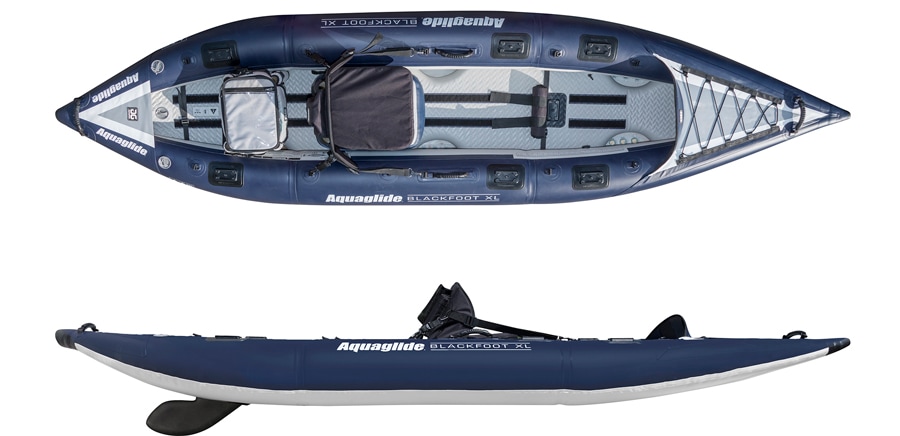
Once inflated, they're lightweight and easy to carry to the water's edge. You don't need a roof rack or trailer — just a good pump and a few minutes. Some premium inflatable models even feature high-pressure drop-stitch floors that allow standing. Keep in mind, though, that inflatables may not track as precisely as rigid hulls and can be more susceptible to wind.
Traditional Sit-In Kayaks
Sit-inside kayaks position you lower in the hull, wrapping around your hips and legs with a more enclosed cockpit. While they're less popular for dedicated fishing, they offer distinct benefits in cooler climates and rougher water. The enclosed hull keeps splashes and waves away from your lower body, helping you stay warm and dry during cold-weather outings.
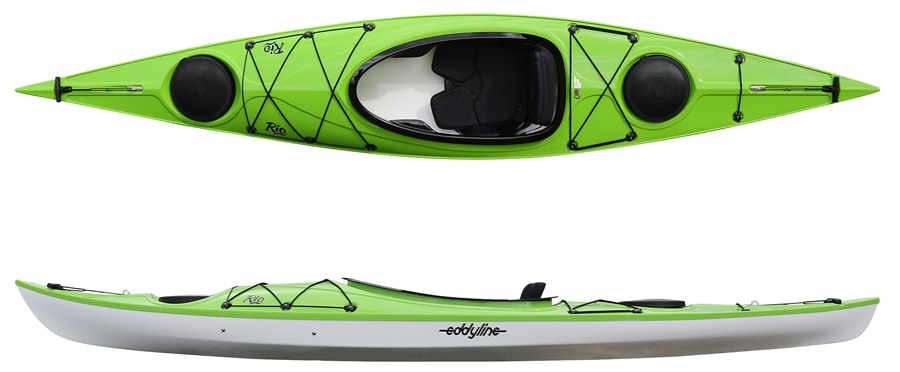
These kayaks typically require more skill to re-enter if capsized, and the enclosed design limits your ability to freely move around compared to a sit-on-top. However, they sit lower in the water and often slice through currents more efficiently. If you fish in colder seasons or windy conditions, a sit-in model with a spray skirt can be an excellent choice.
Paddle vs. Pedal Kayaks for Fishing
Choosing the right propulsion for your time on the water.
Pedal-Powered Kayaks
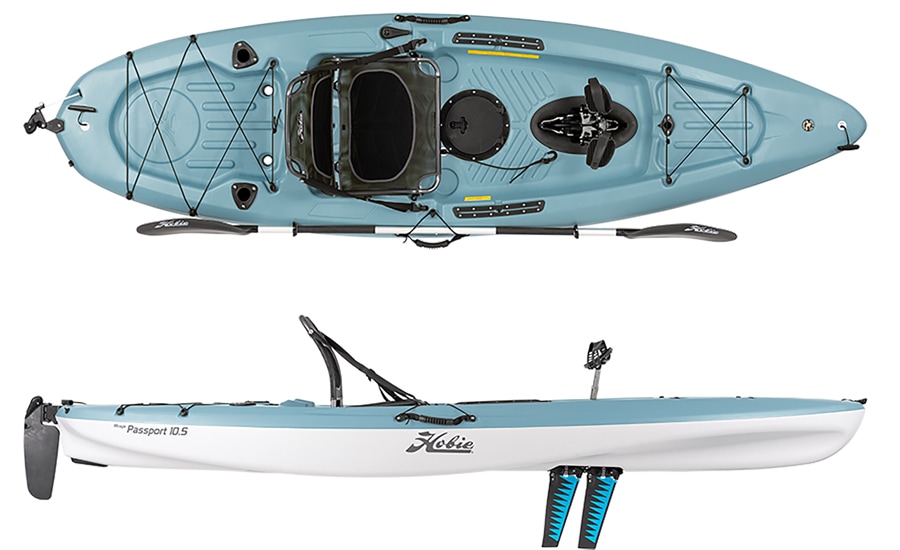
Pedal-driven kayaks are a game-changer for anglers who want their hands free at all times. By using pedal cranks or fin-style propulsion systems, you can navigate the water while keeping both hands on your rod. Some models use rotational pedals similar to a bicycle, while others rely on push-pull fin mechanisms — each with its own feel and efficiency.
The trade-off is price and weight. Pedal systems add significant cost and extra pounds to your kayak, and they require shallow-water awareness since the drive unit extends below the hull. They also demand more maintenance than a simple paddle setup. That said, for serious anglers covering a lot of water, pedal kayaks offer unmatched efficiency and convenience.
Paddle Kayaks
Traditional paddle kayaks remain the most popular choice for fishing, and it's easy to see why. They're lighter, more affordable, easier to maintain, and simpler to transport. Without any mechanical parts to worry about, a paddle kayak is the ultimate grab-and-go fishing companion. They work beautifully in shallow water, tight spaces, and anywhere you want a straightforward, dependable experience. If you're new to kayak fishing or prefer to keep things uncomplicated, a quality paddle kayak paired with a good fishing paddle is hard to beat.
Where Do You Plan to Fish?
Matching your kayak to the waters you'll explore.
The type of water you'll be fishing in plays a huge role in determining the right kayak. Different environments demand different hull designs, stability levels, and feature sets. Here's a breakdown of common fishing environments and what to look for:
Sheltered Lakes & Ponds
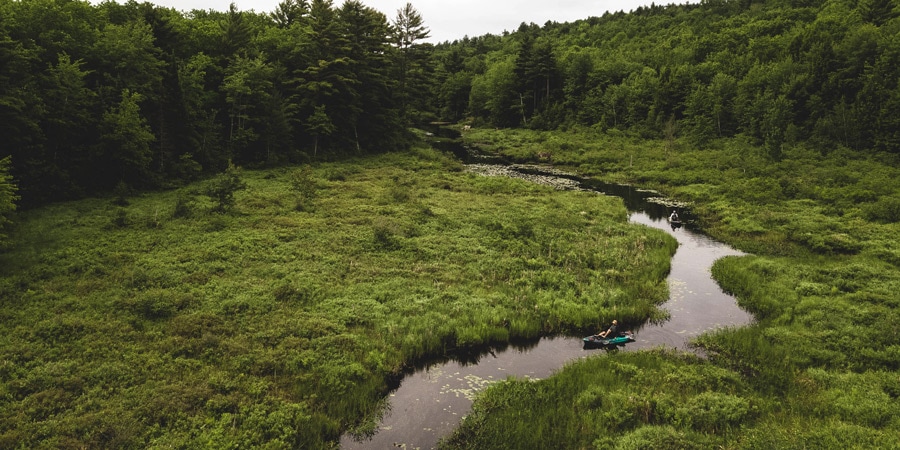
Calm, flat water is the friendliest environment for kayak fishing. Nearly any style works here — choose based on comfort and budget. Wider hulls and sit-on-tops are excellent starting points.
Rivers & Streams
Moving water calls for a shorter, more maneuverable kayak that can handle currents and navigate obstacles. Look for models with good tracking and a responsive rudder or skeg system.
Open Water & Coast
Coastal and open-water fishing demands a longer, more seaworthy kayak. Prioritize a narrow hull for better tracking, a rudder system, high sides to deflect waves, and plenty of weight capacity for safety gear.
Bays & Estuaries
These transitional waters combine tidal flows with sheltered areas. A versatile mid-length kayak with good primary stability and a skeg or rudder will serve you well across changing conditions.
Key Kayak Features to Consider
The details that separate a good fishing kayak from a great one.
Seat Quality & Comfort
You'll spend hours in your kayak seat, so this is one feature you absolutely shouldn't compromise on. Look for elevated, adjustable seats with proper lumbar support and breathable mesh backs. A high seating position not only improves comfort but also gives you a better vantage point for spotting fish. Many fishing-specific kayaks offer stadium-style seats that let you adjust height, recline angle, and even fore-aft positioning to dial in your ideal setup.
Storage & Gear Management
Fishing requires a lot of gear — rods, tackle boxes, coolers, safety equipment, and personal items. A well-designed fishing kayak will offer a combination of watertight hatches, open tank wells with bungee tie-downs, and gear tracks or mounting rails for accessories. Rear tank wells are particularly useful for strapping down a milk crate full of tackle. Some kayaks also include built-in tackle storage trays and under-seat compartments for smaller essentials.
Rod Holders
Most fishing kayaks come equipped with flush-mounted rod holders molded into the hull, and many also feature adjustable rod holders on accessory rails. Flush-mount holders keep your rods secure and out of the way during paddling, while adjustable holders let you position rods at the perfect angle for trolling or waiting on a bite. Having at least two or three rod holders is ideal for most anglers.
Stability & Standing Platforms
For many kayak anglers, the ability to stand while fishing is a top priority. Standing gives you a higher viewpoint for sight-fishing and a more natural casting position. Kayaks designed for standing typically feature wider, flat-bottom hulls and textured standing pads for grip. Keep in mind that wider kayaks sacrifice some speed and tracking ability, so there's always a balance between stability and on-water performance.
Rudders, Skegs & Anchoring
Rudders help with directional control in wind and currents, operated by foot pedals from the cockpit. Skegs are fixed or retractable fins that improve straight-line tracking. If you fish in areas with current or wind, having one of these systems is extremely valuable. Additionally, a dedicated anchor trolley system is a must-have for serious fishing — it lets you position your kayak precisely relative to wind and current so you can stay on your favorite spot without constantly adjusting.
Gear Tracks & Accessory Mounts
Gear tracks are slotted rails mounted on the kayak's gunwales that accept a wide range of slide-in accessories — fish finders, camera mounts, cup holders, additional rod holders, and more. They let you customize your kayak's layout to suit your exact fishing style without drilling permanent holes. If a kayak has a strong gear track system, you can continuously evolve your setup as your needs change.
Weight Capacity & Transportation
Practical considerations for getting your kayak from garage to water.
Before falling in love with a particular kayak, make sure you've thought through how much it can carry and how you'll get it to the water. Every kayak has a maximum weight capacity — and that includes you, your gear, your catch, and any accessories mounted on the hull. A good rule of thumb is to stay at least 20–25% below the rated capacity for optimal performance and safety.
When it comes to transportation, fishing kayaks can range from around 40 pounds for lightweight models to well over 100 pounds for fully outfitted pedal-drive units. Consider whether you'll be loading solo or with a partner, and measure your vehicle to make sure the kayak fits your roof rack, truck bed, or trailer. Inflatable and folding kayaks offer the easiest transport, while carts and kayak-specific roof rack systems can make even heavy rigid kayaks manageable.
Upgrade Your Kayak Setup
Connect and customize your kayak with premium accessories from Backyard Provider.
Aquaglide Universal ConnectionFinal Tips for Choosing Your Fishing Kayak
Selecting the right fishing kayak comes down to understanding your personal fishing style, the waters you'll frequent, and your budget. If you're just starting out, a wide sit-on-top kayak with basic rod holders and a comfortable seat is an outstanding foundation. As your experience grows, you can add accessories through gear tracks and even consider upgrading to a pedal-drive system.
Always prioritize safety — wear a PFD, carry signaling devices, and let someone know your float plan. A well-chosen kayak will reward you with years of incredible fishing experiences, access to waters you never imagined reaching, and the peaceful satisfaction of being out on the water under your own power.
Browse our full selection of outdoor and backyard gear at Backyard Provider and get ready for your next adventure on the water.