

What Is a Fat Tire E-Bike?
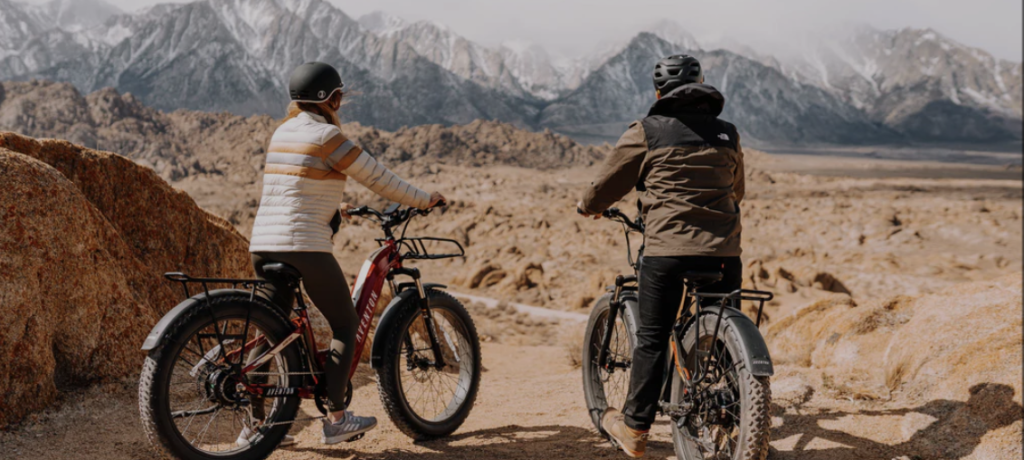
A fat tire electric bike is built around one defining feature — oversized tires, typically ranging from 3.8 to 5 inches in width. Pair that with a powerful electric motor and a long-range battery, and you've got a machine capable of handling virtually any terrain nature throws at it.
Unlike standard bicycles or even typical e-bikes, fat tire models offer unmatched stability and traction. Whether you're navigating rocky mountain trails, soft sand along the coast, compacted snow, or muddy backroads, these bikes grip the ground where others would slip and struggle.
Fat tire e-bikes aren't just a trend — they represent a complete rethinking of what a bicycle can do. The combination of wide tires and electric assist opens up terrain and distances that once required specialized vehicles or elite fitness levels.
Benefits of Fat Tire E-Bikes
The appeal of fat tire e-bikes stretches well beyond their rugged appearance. Here's what sets them apart from the rest of the pack:
All-Terrain Grip
Wide tires distribute your weight across more surface area, keeping you stable on loose or uneven ground.
Electric Assist
Tackle long distances and steep inclines without arriving exhausted. Let the motor do the heavy lifting.
Natural Suspension
Fat tires absorb bumps and vibrations naturally, reducing rider fatigue on rough trails.
Year-Round Riding
Snow, rain, sand, or mud — fat tire e-bikes perform in conditions that would stop other riders cold.
Power and Terrain Capability
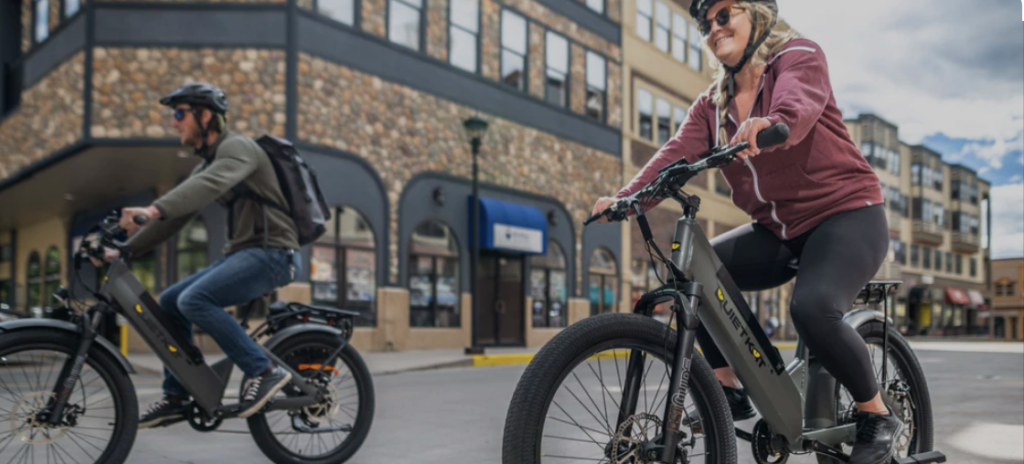
One of the most important factors when buying a fat tire e-bike is understanding what kind of terrain you'll most frequently encounter. The combination of motor wattage, tire width, and frame geometry determines just how capable your bike will be off the beaten path.
For casual riders using paved trails and light gravel, a 500W to 750W motor with 4-inch tires is more than sufficient. However, if you're planning serious off-road adventures — steep climbs, deep sand, or technical mountain trails — you'll want to step up to 1000W or higher with a reinforced frame built to absorb serious punishment.
Suspension also plays a key role. Full-suspension bikes smooth out the harshest trails, while hardtail frames (front suspension only) offer a good balance of efficiency and comfort for most riders. Either way, fat tires alone dramatically reduce trail shock compared to narrower alternatives.
Motor Types Explained
Two primary motor configurations dominate the fat tire e-bike market, and each has distinct advantages depending on your riding style.
Hub Drive Motors
Hub motors are mounted directly inside the front or rear wheel hub. They're the most common configuration and offer a simpler, more affordable design. Rear hub motors in particular provide excellent traction, especially on loose terrain. Their main limitation is that they can't leverage the bike's gearing system for optimal efficiency on steep climbs.
Mid-Drive Motors
Mid-drive motors sit at the bike's bottom bracket, between the pedals. This central placement provides a lower center of gravity and allows the motor to work through the bike's gear system — making them significantly more efficient on hilly terrain. They're typically found on higher-end models and command a higher price, but the performance difference on technical trails is noticeable.
Battery & Range
The battery is the heart of any electric bike. Most quality fat tire e-bikes are equipped with lithium-ion battery packs ranging from 10Ah to 20Ah, paired with a 36V or 48V system. Higher voltage delivers more power and torque, while greater amperage means extended range per charge.
Real-world range varies significantly based on rider weight, terrain, assist level, and tire pressure. On flat ground with moderate assist, a 48V 15Ah battery can realistically cover 40 to 60 miles per charge. In full throttle mode on hilly terrain, expect that figure to drop to 20 to 35 miles. Many riders opt for models with removable batteries so they can carry a spare on longer adventures.
| Battery Voltage | 36V or 48V (higher = more power) |
| Capacity (Ah) | 10Ah–20Ah (higher = more range) |
| Typical Range | 20–60 miles depending on conditions |
| Charge Time | 4–8 hours from empty |
| Battery Type | Lithium-Ion (standard) |
Our Top Pick: Aostirmotor S18 1500W

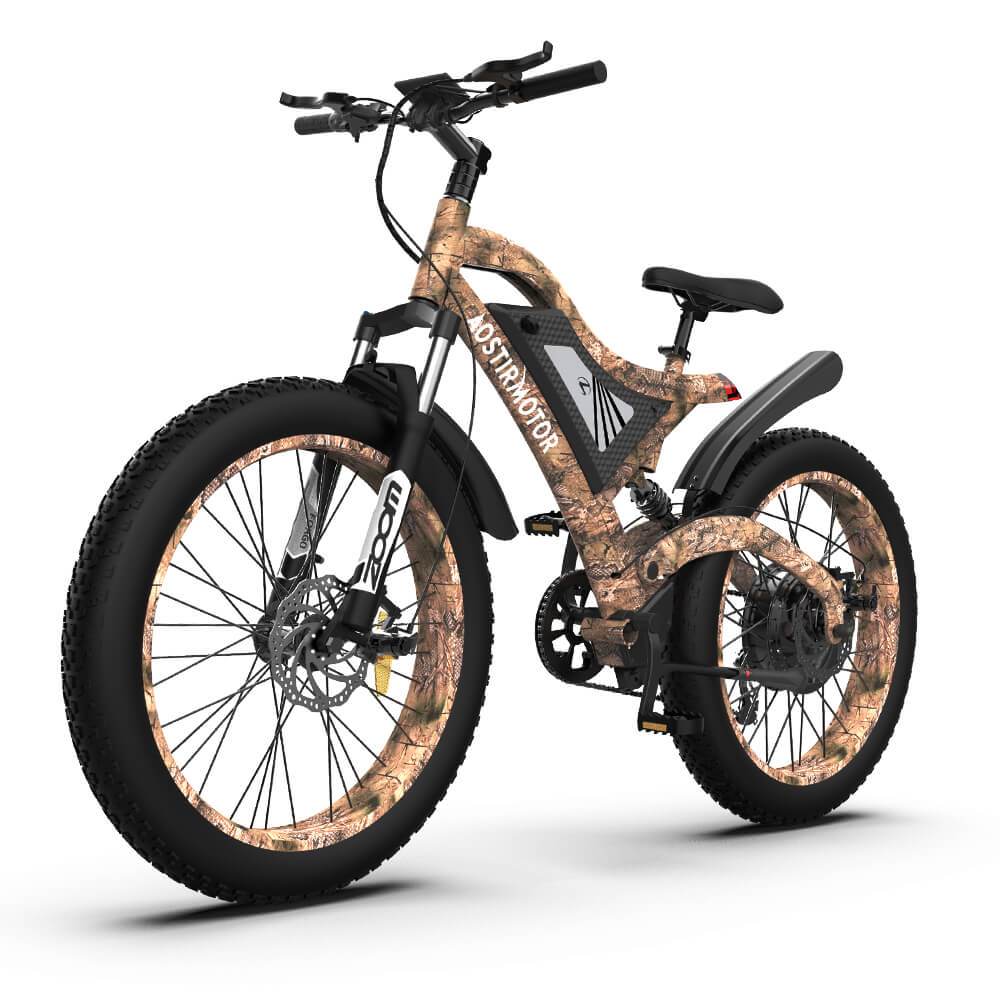
After reviewing a wide range of fat tire e-bikes across different price points and use cases, one model consistently rises to the top for riders who want serious performance without compromise — the Aostirmotor S18. With a beefy 1500W motor and a 48V 15Ah battery, this machine is built for riders who demand more from their electric bikes.
Key Specifications
| Motor | 1500W Brushless Rear Hub Motor |
| Battery | 48V 15Ah Lithium-Ion |
| Tire Size | 26" x 4" Fat Tires (Snakeskin Grain) |
| Top Speed | Up to 28 mph |
| Range | Up to 50 miles (pedal assist) |
| Frame | High-Tensile Steel Folding Frame |
| Brakes | Hydraulic Disc Brakes |
| Gears | 7-Speed Shimano |
| Display | LCD Multifunctional Display |
| Load Capacity | 330 lbs |
What truly sets the S18 apart is the distinctive snakeskin grain tire pattern — it's not just a visual statement, it delivers exceptional grip across mud, sand, and loose stone. The hydraulic disc brakes provide precise, fade-resistant stopping power whether you're coming down a steep descent or navigating a slippery shoreline.
The folding frame design is a practical bonus for riders with limited storage space or those who need to transport their bike in a vehicle. Despite its compact folded size, the S18 carries a 330 lb load capacity — making it suitable for a wide range of riders.
✅ Pros
- Powerful 1500W motor handles steep inclines easily
- Long 50-mile range on pedal assist
- Hydraulic disc brakes for confident stopping
- Distinctive snakeskin grain tires with superior grip
- Folding frame for easy storage and transport
- High 330 lb load capacity
- 7-speed Shimano gearing for versatility
⚠️ Considerations
- Heavier than non-motorized alternatives
- High-power mode reduces battery range
- Best suited for riders comfortable with heavier builds
Aostirmotor S18 1500W Fat Tire E-Mountain Bike
48V 15Ah · Snakeskin Grain Tires · Hydraulic Disc Brakes · Folding Frame · 330 lb Capacity
How to Choose the Right Fat Tire E-Bike
With so many options on the market, narrowing down the right fat tire e-bike comes down to matching the bike's specs to your actual riding needs. Here are the most important factors to evaluate before making your decision.
Define Your Primary Terrain
Are you mostly riding paved paths and light trails, or are you heading into serious backcountry? Casual riders can get away with a lighter, less powerful motor. Off-road enthusiasts should prioritize high wattage, reinforced frames, and quality suspension.
Consider Your Range Needs
Think honestly about how far you'll ride in a single outing. If you're doing neighborhood rides or short coastal cruises, a 10–12Ah battery is fine. For multi-hour backcountry rides, look for 15Ah or higher — or choose a model with a removable battery so you can bring a backup.
Weight and Portability
Fat tire e-bikes are inherently heavier than standard bikes due to the motor, battery, and wider components. If storage space is limited or you need to load the bike into a vehicle regularly, prioritize folding models or those with lighter frame materials.
Brake Quality Matters
At higher speeds and on steep terrain, brake quality is a safety critical factor. Hydraulic disc brakes offer the best performance in wet and varied conditions. Mechanical disc brakes are a cost-effective alternative but require more frequent adjustment.
Riding & Maintenance Tips
Getting the most from your fat tire e-bike comes down to a few consistent habits that protect your investment and maximize performance over time.
- Lower your tire pressure for loose terrain — 8 to 12 PSI delivers better grip on sand and mud compared to the maximum rated pressure.
- Charge your battery after every ride rather than waiting for it to fully deplete. Lithium-ion cells maintain better long-term health when kept above 20%.
- Rinse your drivetrain after muddy or sandy rides. Grit accelerates wear on the chain, cassette, and derailleur far faster than normal road riding.
- Check brake pad wear every 200–300 miles. Fat tire bikes are heavier, which means brake pads wear faster than on lighter bicycles.
- Store your battery at room temperature during long periods of non-use. Extreme cold degrades lithium-ion capacity permanently over time.
- Keep your display and charging port covered when riding in rain or washing the bike to prevent moisture intrusion.
The Verdict
Fat tire electric bikes have moved from niche novelty to genuine adventure tools, and the best models on the market today are impressively capable. Whether you're exploring coastal trails, tackling mountain paths, or simply wanting a more capable everyday commuter, a fat tire e-bike opens up a world of terrain that standard bikes simply can't access.
For riders who want maximum performance, confidence-inspiring brakes, and serious range in a distinctive package, the Aostirmotor S18 stands as our clear recommendation in 2024. It delivers power, durability, and versatility in a way that few bikes at any price point can match.
S18 E-Bike