


Fat tire electric bikes have completely transformed the way riders experience the outdoors. Combining the raw traction of oversized tires with the effortless power of electric motors, these machines open up terrain that once felt impossible — from muddy forest trails to wind-packed sand dunes.
Whether you are a seasoned cyclist chasing new terrain or a casual rider looking for your first electric adventure, this guide covers everything you need to know. We break down how fat tire e-bikes work, the different types available, their advantages and drawbacks, and exactly how to choose the right one for your lifestyle.
What Are Fat Tire Electric Bikes?
Fat tire electric bikes — often called fat e-bikes — are bicycles equipped with extra-wide tires, typically measuring between 3.8 and 5 inches across, paired with an integrated electric motor and battery system. The combination of thick tread and electric assist creates a uniquely capable machine suited to a wide range of challenging conditions.
The oversized tires are run at low pressure, which dramatically increases the contact patch between the rubber and the ground. This translates into superior grip, better shock absorption, and enhanced stability across loose, slippery, or uneven surfaces. Add a powerful motor and you have a bike that climbs hills with ease and glides through terrain that would stop a standard bike cold.

Different Types of Fat Tire Electric Bikes
The fat e-bike market has grown considerably, and today you will find several distinct categories tailored to different riders and riding styles. Understanding these distinctions will help you make a smarter purchase decision.
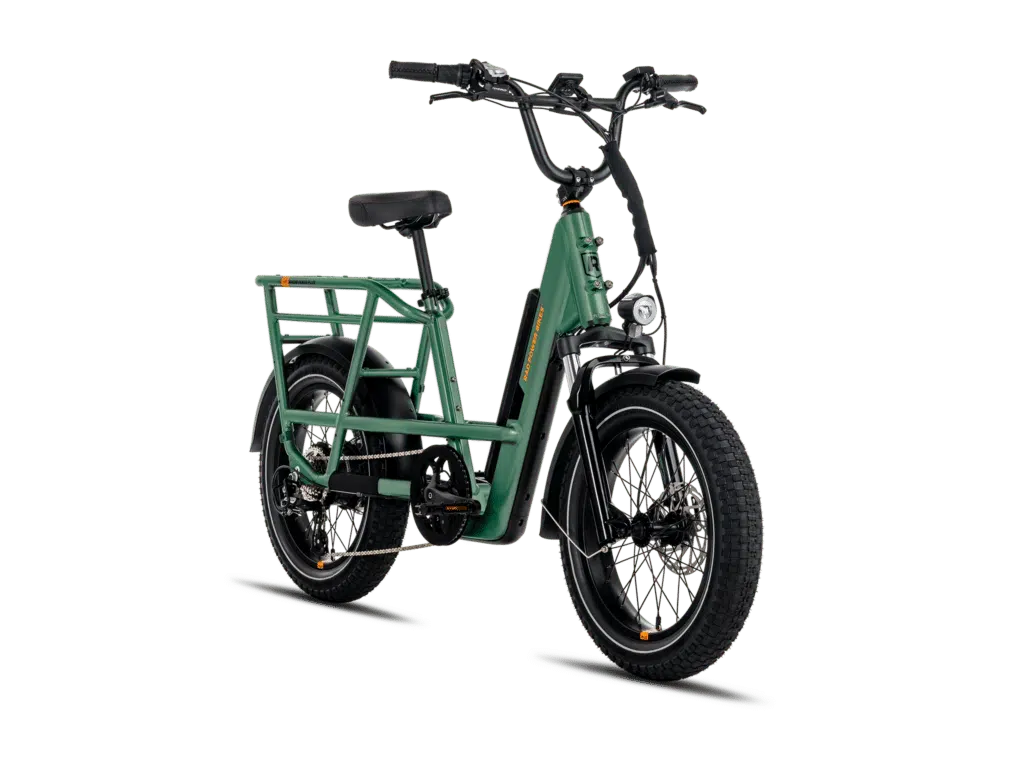
Full-Suspension Fat E-Bikes
Designed for aggressive off-road use, these bikes feature front and rear suspension paired with fat tires for maximum trail comfort and technical handling ability.

Hardtail Fat E-Bikes
Front suspension only. Lighter, more efficient, and often more affordable — a popular choice for trail riders who want performance without full-suspension complexity.
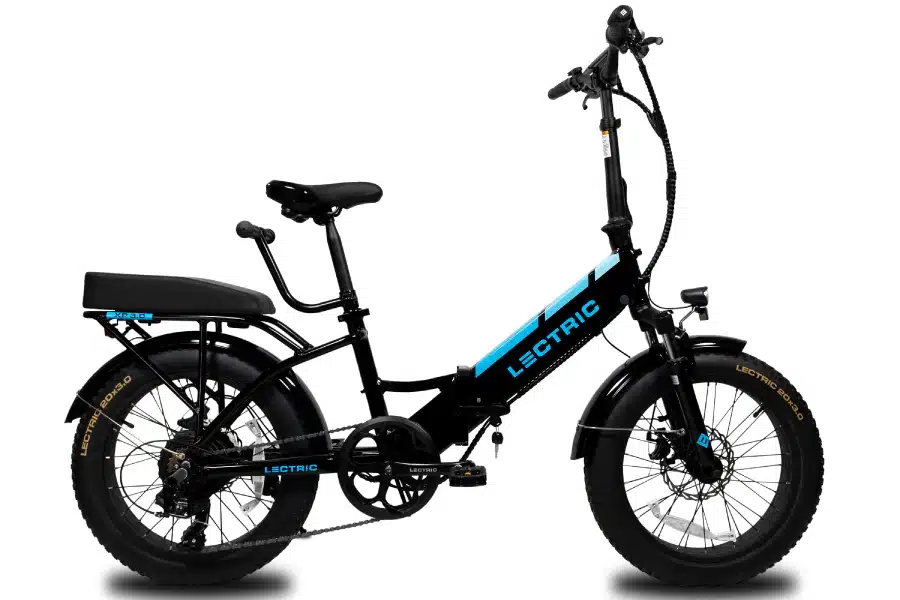
Folding Fat E-Bikes
Built for portability. These bikes fold down for easy storage in apartments, car trunks, or RVs — perfect for commuters and adventure travelers who need flexibility.

Step-Through Fat E-Bikes
Featuring a low or open frame for easy mounting and dismounting, these are ideal for riders with limited mobility, shorter statures, or those who just prefer comfort-first designs.
Your terrain and storage situation should drive your type decision more than aesthetics. If you ride trails, prioritize suspension. If you travel frequently, consider a folding model. Let your lifestyle lead the way.
Fat Tire Performance Across All Terrain
One of the defining qualities of a fat tire e-bike is its remarkable versatility across surfaces that would challenge any conventional bicycle. The wide footprint, low tire pressure, and electric power delivery work in harmony to conquer difficult ground with surprisingly little effort.


On sand and beaches, the fat tire's width prevents sinking and maintains forward momentum with far less effort than a narrow-tired bike. In snow and ice, the same low-pressure contact principle creates a natural grip that keeps you stable where others slide. On mountain trails and forest paths, the cushioning effect of oversized tires absorbs root impacts and rocky obstacles, while the electric motor handles steep climbs without breaking a sweat.
Benefits & Disadvantages of Fat Tire E-Bikes
Like any specialized piece of equipment, fat tire electric bikes come with distinct advantages and a few genuine trade-offs. Being clear-eyed about both sides will help you set the right expectations and make a confident purchase.

✦ Advantages
- Unmatched grip and traction across loose or unstable surfaces
- Natural shock absorption reduces fatigue on rough terrain
- Electric assist makes hills, headwinds, and long distances far more manageable
- Year-round usability including snow and wet conditions
- Enhanced stability boosts confidence for new and returning riders
- Wider range of recreational and commuting applications
– Considerations
- Heavier overall weight due to fat tires, frame, and battery system
- Higher rolling resistance on smooth pavement compared to road bikes
- Larger footprint can make storage and transport more demanding
- Premium components typically carry a higher price point
- Tire replacement and servicing can be less convenient in rural areas
- Longer charging times for high-capacity battery packs
Choosing the Right Fat Tire E-Bike for You
With so many options on the market, narrowing down your choice can feel overwhelming. The good news is that a few key questions will focus your search quickly and point you toward the bike that genuinely fits your life.
Consider Your Primary Terrain
Where you ride most often should be the first filter you apply. Dedicated trail riders benefit most from full-suspension setups with aggressive tread patterns. Beach and snow riders can typically do very well with a hardtail. Urban commuters who occasionally venture off-road will find that a rigid or hardtail fat e-bike handles both worlds comfortably.

Motor Power and Battery Capacity
Motor wattage determines how much assistance you get on demanding terrain. For casual trails and commuting, 500W to 750W motors are often sufficient. For steep mountain climbs, sand dunes, or heavier riders, 1000W to 1500W motors deliver meaningfully better performance. Battery capacity — measured in watt-hours — determines your range between charges. More demanding terrain drains batteries faster, so always choose a capacity that gives you a comfortable buffer beyond your typical riding distance.
Frame Style and Fit
A well-fitting bike transforms the riding experience. Step-through frames provide accessibility and ease of use. Traditional diamond frames offer rigidity and efficiency. Make sure the bike you choose can be properly sized for your height and reach — a bike that fits poorly will be uncomfortable regardless of how capable it is technically.
Weight and Portability
Fat e-bikes are heavier than conventional bicycles, often ranging from 55 to 80 pounds. If you need to carry your bike up stairs, load it onto a rack, or store it in a tight space, weight and folding capability become practical priorities worth taking seriously before you buy.

- Define your primary terrain before anything else
- Match motor wattage to the difficulty of your rides
- Choose battery capacity with a comfortable range buffer
- Confirm the frame fits your body properly
- Factor in storage and transport practicalities
- Check warranty coverage and after-sale support
Ready to Hit Any Trail?
The Aostirmotor S18 delivers 1500W of raw electric power with a fat tire build engineered for all-terrain dominance. Zero compromises.
Aostirmotor S18 1500W