

- The All-Terrain Advantage
- Unmatched Terrain Versatility
- Core Rider Benefits
- The Power Component
- Choosing Your Bike
- Best Fat Tire E-Bike in 2025
- Comparison: Fat Bike vs Standard E-Bike
- Potential Drawbacks
- Who Needs One?
- Why Choose a Fat Tire Electric Bike?
- FAQ
The All-Terrain Advantage
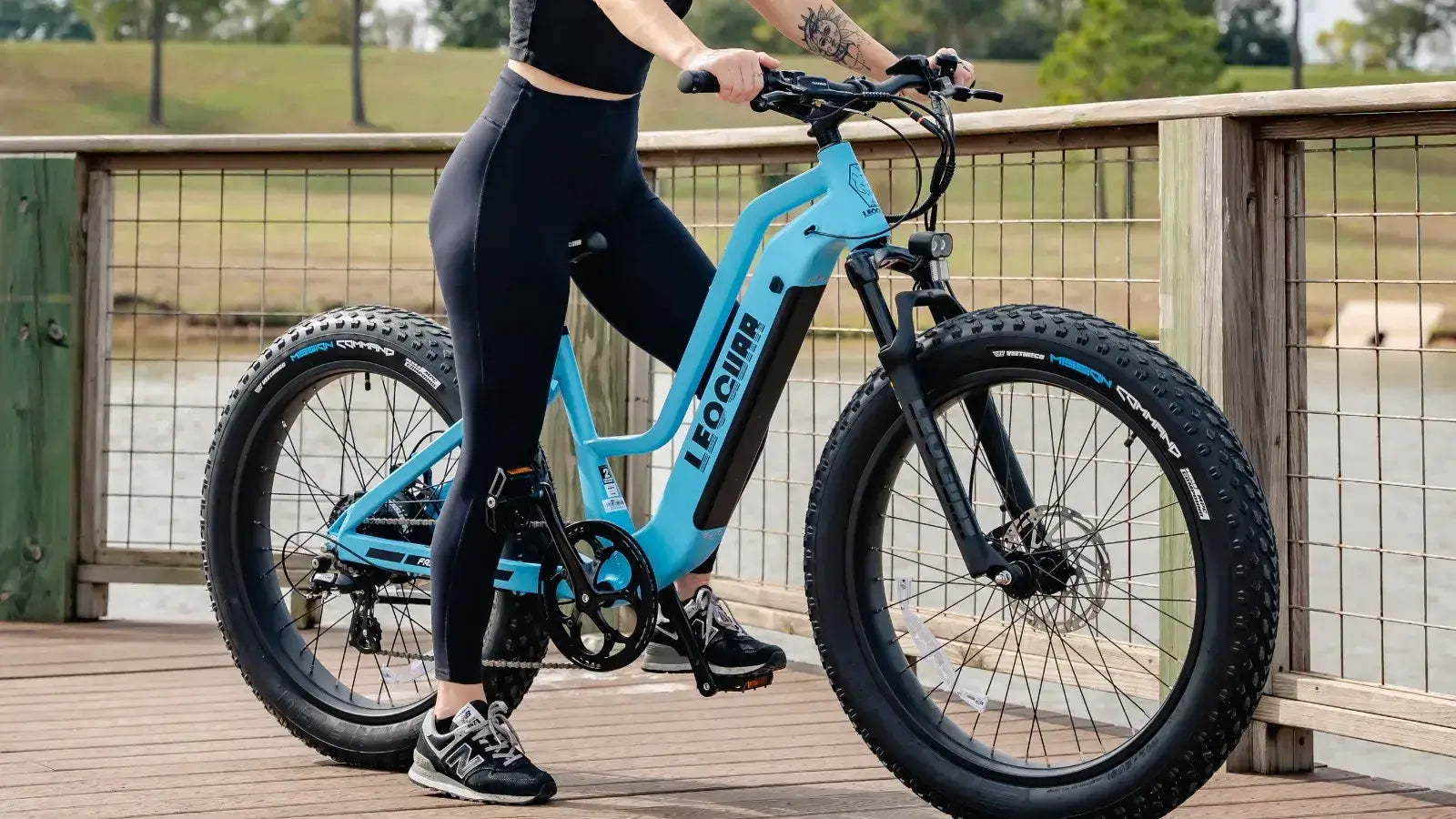
A fat tire electric bike takes everything that makes cycling great and amplifies it far beyond what a conventional bike can offer. Wide tires spanning 4" to 5" — sometimes wider — make full, stable contact with the ground on surfaces that would stop a regular bike cold. When you add electric motor assist to that kind of grip, you get a machine that opens up territory most riders never get to experience.
These bikes are defined by their oversized tires, typically running at 5–15 PSI. That low pressure lets the tire deform gently around obstacles and uneven ground, absorbing shock and maintaining grip where other bikes simply slide or bounce off course.
Terrain
Unmatched Terrain Versatility
This is where fat tire e-bikes truly earn their reputation. They perform in conditions that would send other bikes home. Wet sand? No problem. Muddy forest trail? Handled with ease. Deep winter snow? This is practically the fat bike's home turf. The motor offsets any extra rolling resistance from the wide tires, so the terrain works with you rather than against you.
But here's what surprises most riders: fat tire bikes aren't only for extreme conditions. On regular pavement or gravel paths, the wide tires still deliver a noticeably plush, stable ride. They smooth out the road, provide extra confidence in corners, and reduce fatigue on long rides — making everyday cycling genuinely more enjoyable.
Benefits
Core Rider Benefits
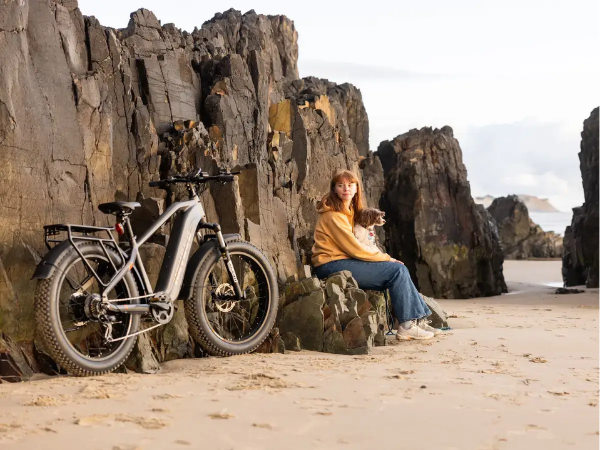
Whether you're commuting, exploring backcountry, or heading out for a weekend adventure, fat tire e-bikes deliver advantages that compound with every mile. The biggest gains are stability, comfort, and genuine motor-assisted freedom to go farther than you'd expect.

Wide tire contact patches dramatically reduce the chance of losing traction, especially on loose, wet, or slippery surfaces.
Electric assist takes the edge off climbs and headwinds, keeping your pace consistent and extending how far and how long you can ride.
These bikes don't recognize a "riding season." Snow, mud, sand, and rain conditions that sideline regular bikes are all fair game.
The combined cushioning of soft tires and motor assist lets you ride farther with far less physical strain than traditional options.
Motor & Battery
The Power Component
The motor and battery are the heart of any electric bike, and fat tire models are no exception. Most quality fat e-bikes use a rear hub motor ranging from 500W to 1500W. Higher wattage motors make a real difference on steep inclines or when carrying a load — the power delivery feels confident rather than strained.
Battery capacity is measured in watt-hours (Wh). A larger capacity battery extends range per charge, while voltage (48V is common on mid-to-premium bikes) determines how effectively that energy reaches the motor. For off-road or heavy riding, a 48V system with 15Ah or more gives you a strong performance foundation.
| Component | Entry Level | Best For |
|---|---|---|
| Motor Wattage | 500W – 750W | Light trails, urban commuting |
| High Power Motor | 1000W – 1500W | Mountains, heavy terrain, cargo loads |
| Battery Voltage | 36V – 48V | 48V preferred for performance riding |
| Battery Capacity | 10Ah – 15Ah+ | Higher Ah = longer range per charge |
| Range Estimate | 25 – 60+ miles | Varies by assist level & terrain |
Buying Guide
Choosing Your Bike
Finding the right fat tire e-bike starts with honest answers to a few key questions. Where will you ride most — paved paths, gravel, snow trails, or a mix? How far do you want to go per charge? And what frame style fits your body and riding posture?
Frame material matters too. Aluminum alloy is the standard for a good reason — it balances stiffness, weight, and price point well. Look for hydraulic disc brakes as a non-negotiable on any bike intended for off-road use; the stopping power on steep or wet descents is in a different class compared to mechanical alternatives.
"The right fat e-bike doesn't limit where you ride — it expands every definition of where you thought riding was even possible."
2025 Pick
Best Fat Tire Electric Bike 2025
When you're looking at the full picture — motor strength, battery performance, build quality, and real-world versatility — one model consistently rises to the top for riders who want serious capability without compromise.
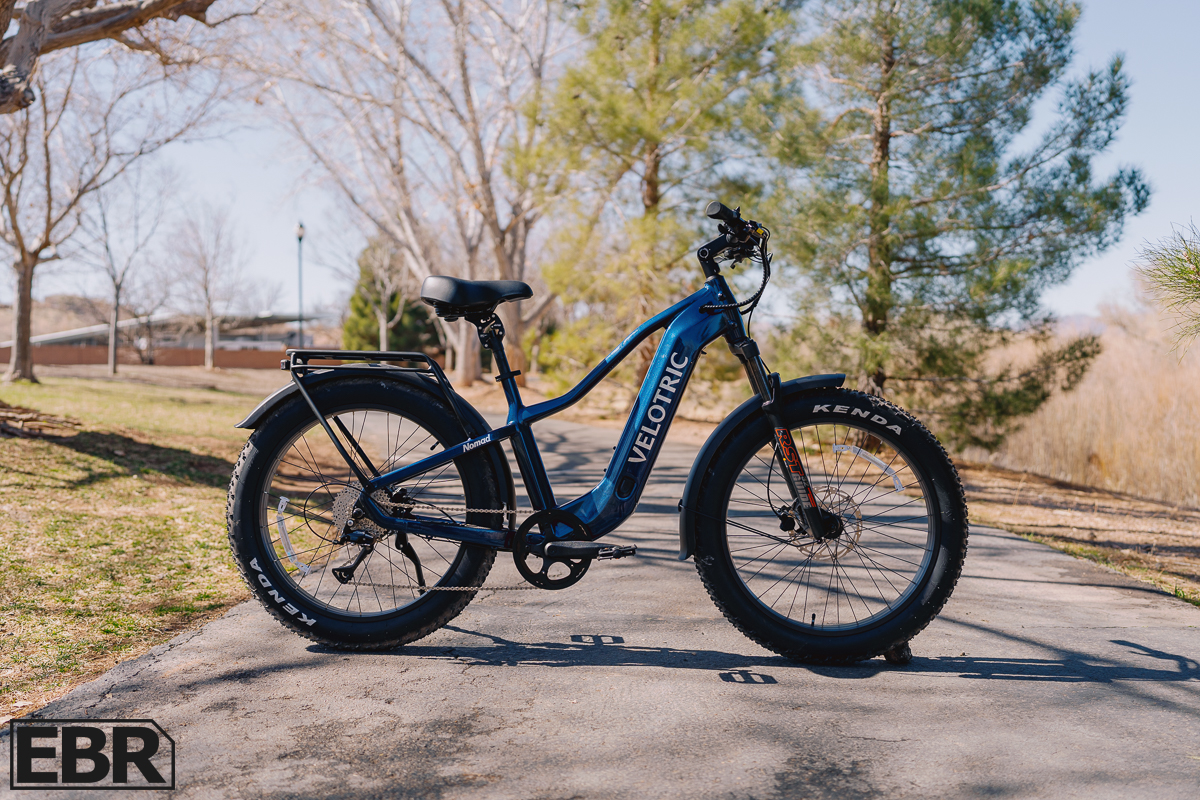
Look for a bike with a motor in the 1000W–1500W range, a 48V 15Ah battery, full suspension or at minimum a quality front fork, hydraulic disc brakes, and fat tires in the 4"–4.5" range with aggressive tread. These specs put you in a strong position across virtually every riding scenario — from mountain trails to beach cruising to winter commuting.
Aostirmotor S18 1500W Fat Tire Mountain E-Bike
1500W motor · 48V 15Ah · Snakeskin grain frame · Built for every terrain
Shop Aostirmotor S18Side by Side
Fat Bike vs Standard E-Bike
Understanding where fat tire bikes outperform — and where trade-offs exist — helps you make the right call for your riding style.
| Feature | Fat Tire E-Bike | Standard E-Bike |
|---|---|---|
| Tire Width | 4" – 5" | 1.5" – 2.5" |
| Off-Road Capability | ✓ Excellent | Limited |
| Snow & Sand | ✓ Handles Well | Struggles |
| Ride Comfort | ✓ Very Plush | Moderate |
| Pavement Speed | Good | ✓ Slightly Faster |
| Weight | Heavier | ✓ Lighter |
| Year-Round Use | ✓ Yes | Seasonal |
Honest Assessment
Potential Drawbacks to Consider
No bike is perfect for everyone, and fat tire e-bikes come with a handful of trade-offs worth knowing before you buy. Being informed means you'll make a choice that genuinely fits your life.
- Exceptional all-terrain grip and stability
- Comfortable, shock-absorbing ride quality
- Rides confidently in snow, sand, and mud
- Motor assist overcomes heavy tire resistance
- Builds rider confidence quickly
- Durable and built for demanding conditions
- Heavier overall weight than standard e-bikes
- Wider tires create slightly more rolling resistance on pavement
- Larger frame may be unwieldy in tight urban spaces
- Higher-quality models carry a premium price
- Slightly shorter range compared to lighter e-bikes
Rider Profile
Who Needs One?
Fat tire electric bikes aren't a niche product anymore. They've crossed over into the mainstream because they solve real problems for a wide variety of riders. If any of the following describe you, a fat e-bike is worth serious consideration.
Riders who go beyond groomed trails and want the freedom to explore backcountry terrain in any weather.
People who don't want to stop cycling when temperatures drop or snow hits the ground. Fat tires make year-round commuting genuinely viable.
Anyone near sand knows how fast a regular bike bogs down. Fat tires float across loose sand where conventional bikes get stuck immediately.
The electric assist makes cycling accessible for beginners while still offering a genuine workout for experienced riders who dial back the motor.

Summary
Why Choose a Fat Tire Electric Bike?
The bottom line is simple: fat tire electric bikes offer a level of freedom and capability that standard bikes — electric or otherwise — simply cannot match. The combination of wide, grippy tires and reliable motor power turns riding from a weather-dependent, terrain-dependent activity into something you can do whenever and wherever you want.
They're not just for extreme athletes. They're for anyone who's ever wanted to ride somewhere new and been told by the conditions that today wasn't the day. A fat tire e-bike changes that answer permanently.

Ready to Ride Any Terrain?
The Aostirmotor S18 delivers 1500W of power, 48V capacity, and all-terrain confidence — available now at Backyard Provider.
Shop Aostirmotor S18FAQ
Frequently Asked Questions
Most fat tire e-bikes are set up for speeds between 20–28 mph depending on motor class, local regulations, and riding conditions. Off-road, speed naturally varies with terrain.
Yes. The wide tires actually improve wet-weather traction significantly compared to narrow tires. Most quality fat e-bikes have water-resistant electrical components rated for all-weather use, though deep submersion should be avoided.
Range depends on battery capacity, assist level, terrain, and rider weight. A 48V 15Ah setup like the Aostirmotor S18 can realistically cover 35–60+ miles on moderate assist over varied terrain.
Not especially. Tire pressure management is the main additional task — checking and adjusting PSI regularly keeps the ride quality optimal. Battery care (avoiding full discharge storage) extends battery life significantly.
In most US states and many countries, e-bikes under a certain wattage and speed threshold require no special license. Local regulations vary, so check your area's e-bike classification rules before purchasing.
Most quality fat tire e-bikes support rider weights of 250–330 lbs. Always check the manufacturer's rated capacity for the specific model you're considering, especially for heavier riders.