

Your comprehensive guide to ductless heating and cooling solutions
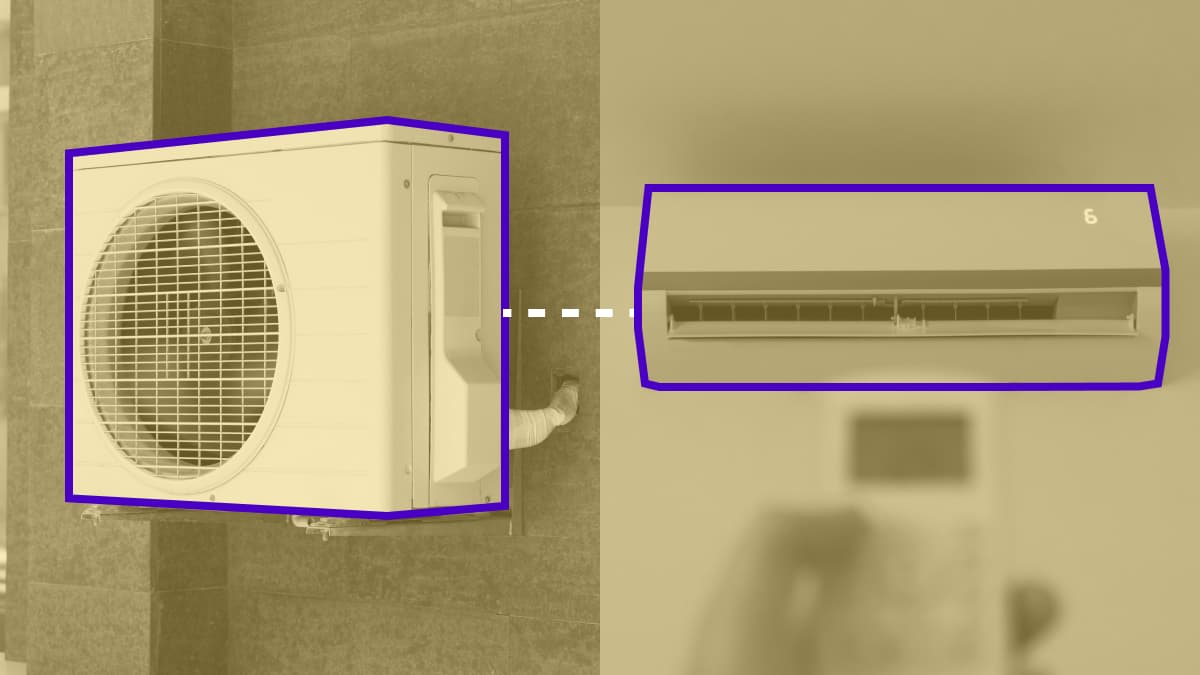
Ductless heat pumps represent a modern approach to climate control, offering both heating and cooling capabilities without the extensive ductwork required by traditional HVAC systems. These versatile units mount high on walls, and each system serves either a single room or multiple areas depending on your configuration needs.
Key Advantage: Mini-splits, also known as "ductless" units, eliminate the energy losses associated with traditional duct systems, making them remarkably efficient for targeted temperature control.
Primary Advantages of Mini-Split Systems
Simplified Installation
Installation requires only a small opening in the wall to connect indoor and outdoor components. No extensive ductwork modifications or major construction needed.
Precise Temperature Control
Each indoor unit can be controlled independently, allowing different temperatures in different rooms. Perfect for households where family members have varying comfort preferences.
Superior Energy Efficiency
By eliminating ductwork, mini-splits avoid the 20-30% energy loss typical in ducted systems. They can be 2-4 times more efficient than traditional heating methods.
Whisper-Quiet Operation
Indoor units operate at remarkably low noise levels, often quieter than a typical conversation. The compressor stays outside, keeping disruptive sounds away from living spaces.
How Mini-Split Systems Operate
Mini-splits function similarly to standard air conditioning systems but without requiring bulky air ducts. The system moves heat from inside your home to the outdoors during cooling mode, and reverses this process during heating mode, drawing warmth from outside air even in cold conditions.
The Cooling Cycle: Cold refrigerant in the indoor unit absorbs heat from your room air. This heat-laden refrigerant travels to the outdoor unit where it releases the captured warmth before cycling back inside to repeat the process.
The Heating Cycle: The process reverses, with the outdoor unit extracting heat from ambient air and transferring it indoors. Modern systems can extract heat even when outdoor temperatures drop significantly below freezing.

Types of Indoor Units
Mini-split systems offer remarkable flexibility through various indoor unit configurations. The most common wall-mounted units install high on walls for optimal air distribution. Additional options include floor-standing units, ceiling cassettes for commercial spaces, and concealed ducted units that integrate with existing structures.
Most popular choice for residential applications, offering excellent air distribution from elevated positions.
Ideal for rooms with limited wall space or glass walls, positioned low for convenient access.
Recessed into drop ceilings, providing multi-directional airflow with minimal visual impact.
Hidden above ceilings or within walls, using short duct runs to maintain the ductless efficiency advantage.
Single-Zone vs. Multi-Zone Configurations
Single-Zone Systems
One outdoor unit connects to one indoor unit, perfect for conditioning a single room or open floor plan. This configuration offers the simplest installation and lowest initial cost.
Best for: Additions, converted garages, home offices, or supplementing existing HVAC.
Multi-Zone Systems
A single outdoor unit powers multiple indoor units throughout your home. Systems typically support two to eight zones, each controlled independently for personalized comfort.
Best for: Whole-home climate control, multi-story buildings, or spaces with varying usage patterns.
Indoor Air Quality Benefits
Mini-split systems excel at maintaining healthy indoor air quality. Unlike ducted systems that can accumulate dust, allergens, and contaminants within their extensive ductwork, mini-splits feature accessible filters that homeowners can easily clean or replace.
Enhanced Filtration Options
Many modern mini-split systems offer advanced filtration technologies including multi-stage filters, ionizers, and antimicrobial coatings. These features capture particulates, reduce airborne pathogens, and help maintain fresher indoor environments for allergy sufferers and health-conscious homeowners.
Important Considerations
While mini-splits offer numerous advantages, prospective buyers should understand certain factors before making a purchase decision.
Initial Investment
Mini-split systems typically carry higher upfront costs compared to window units or portable air conditioners. However, energy savings often offset this difference within a few years.
Professional Installation
Proper installation requires trained HVAC technicians to handle refrigerant, electrical connections, and mounting. DIY installation may void warranties and compromise system performance.
Aesthetic Visibility
Wall-mounted indoor units remain visible within rooms. While modern designs are increasingly sleek, some homeowners prefer completely concealed climate control options.
Sizing Requirements
Correct sizing is crucial for optimal performance. Undersized units struggle to maintain comfort, while oversized systems cycle inefficiently and may not adequately dehumidify.
Mini-Splits vs. Traditional Central Air
Understanding how mini-splits compare to conventional central air conditioning helps homeowners make informed decisions based on their specific circumstances.
| Feature | Mini-Split Systems | Central Air Systems |
|---|---|---|
| Installation Complexity | Minimal—small wall penetration only | Extensive ductwork required |
| Zone Control | Individual room control standard | Requires additional zoning equipment |
| Energy Efficiency | Higher SEER ratings, no duct losses | 20-30% energy lost through ducts |
| Best Application | Homes without ducts, additions, targeted areas | Large homes with existing ductwork |
| Maintenance | Filter cleaning, annual professional check | Filter changes plus duct cleaning |
Frequently Asked Questions
Do mini-splits require professional installation?
Yes, professional installation is strongly recommended. Handling refrigerant requires EPA certification, and improper installation can damage equipment, void warranties, and create safety hazards. Qualified technicians ensure correct sizing, proper refrigerant charge, and optimal placement for efficiency.
How long do mini-split systems typically last?
With proper maintenance, mini-split systems commonly operate effectively for 15-20 years. Regular filter cleaning, annual professional maintenance, and prompt attention to any unusual sounds or performance changes help maximize system lifespan.
Can mini-splits work in extremely cold climates?
Modern cold-climate mini-splits maintain heating capacity at temperatures well below freezing, with some models rated for operation down to -15°F or colder. These units incorporate specialized compressor technology and defrost cycles to perform reliably in harsh winter conditions.
What electrical requirements do mini-splits have?
Requirements vary by system capacity. Smaller units may operate on 120V circuits, while larger systems typically require 240V dedicated circuits. A licensed electrician should evaluate your electrical panel capacity and install appropriate breakers and wiring before mini-split installation.
Enhance Your Indoor Air Quality
Complement your climate control system with advanced air purification technology for cleaner, healthier indoor environments.
Making Your Decision
Mini-split systems represent an excellent climate control solution for homeowners seeking energy efficiency, flexible installation, and precise temperature management. Whether you need to condition a single room, upgrade an older home without ductwork, or establish independent comfort zones throughout your property, these versatile systems deliver reliable performance across diverse applications.
Consider your specific heating and cooling needs, available budget, and long-term energy goals when evaluating mini-split options. Consulting with qualified HVAC professionals ensures proper system sizing and installation for optimal comfort and efficiency throughout your home.