

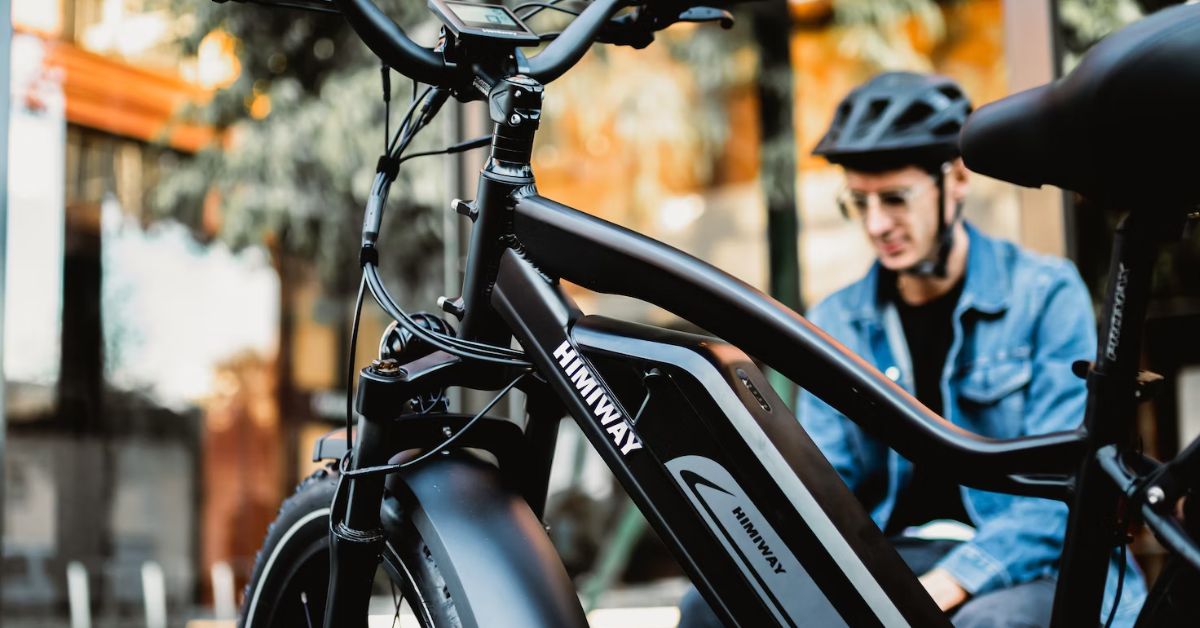
When it comes to selecting an electric bike for your daily travels, fat tire e-bikes have emerged as an intriguing option that continues to gain popularity. These distinctive machines, characterized by their oversized tires measuring 4 inches or wider, offer a unique riding experience that sets them apart from traditional commuter bicycles. But do they actually make sense for everyday commuting needs?
This comprehensive guide explores everything you need to know about using fat tire e-bikes for commuting purposes. We will examine their advantages, potential drawbacks, and help you determine whether one of these rugged machines deserves a place in your daily routine.
What Makes Fat Tire E-Bikes Different?
Fat tire e-bikes distinguish themselves through their remarkably wide tires, typically ranging from 4 to 5 inches across. This substantial tire width creates a larger contact patch with the ground, fundamentally changing how the bicycle interacts with various surfaces and conditions.
These wider tires operate at lower air pressures compared to standard bicycle tires, usually between 5 and 20 PSI. This lower pressure allows the tire to conform to surface irregularities, providing natural suspension and enhanced traction across diverse terrain types.
Fat Tire Technical Specifications
| Specification | Fat Tire E-Bike | Standard E-Bike |
|---|---|---|
| Tire Width | 4" - 5" | 1.5" - 2.5" |
| Tire Pressure | 5 - 20 PSI | 40 - 80 PSI |
| Terrain Versatility | Excellent | Moderate |
| Rolling Resistance | Higher | Lower |
| Comfort Level | Very High | Moderate |
Different Types of Fat Tire E-Bikes
Class 1 E-Bikes
Pedal-assist only models that provide power up to 20 mph. Perfect for bike paths and areas with strict regulations.
Class 2 E-Bikes
Features throttle capability along with pedal assist, offering more flexibility for stop-and-go commuting.
Class 3 E-Bikes
Higher speed pedal-assist models reaching up to 28 mph, ideal for longer commutes on designated routes.
Cargo Carriers
Built for hauling groceries, work supplies, or even passengers with reinforced frames and extended platforms.
Foldable Models
Compact designs that fold for easy storage and multimodal commuting with public transportation.
Full Suspension
Maximum comfort with front and rear suspension systems for rough urban environments.

Why Consider a Fat Tire E-Bike for Commuting?
🕐 Conquer Any Time of Year
Fat tires excel in conditions that would sideline standard bicycles. Rain-slicked streets, icy patches, and even light snow become manageable obstacles rather than commute-ending hazards.
🛤️ Versatility for Varied Terrain
Urban commutes rarely follow perfect pavement. Fat tires handle cracked sidewalks, gravel shortcuts, construction zones, and unpaved paths without compromising stability or comfort.
💺 Superior Comfort and Absorption
The natural cushioning effect of low-pressure wide tires absorbs road vibrations and bumps. Arrive at your destination feeling refreshed rather than rattled from rough surfaces.
🛡️ Enhanced Safety and Stability
The wider contact patch provides superior grip during turns and stops. This added stability inspires confidence, especially for newer riders navigating busy urban environments.

Potential Drawbacks to Consider
Increased Weight
Fat tire e-bikes typically weigh more than their standard counterparts, making them harder to carry upstairs or load onto vehicle racks.
Higher Rolling Resistance
The larger tire surface creates more friction, which can reduce battery range compared to slimmer tire options on smooth pavement.
Storage Requirements
The wider profile demands more storage space at home, work, or when using standard bike racks and parking facilities.
Higher Initial Cost
Quality fat tire e-bikes often carry premium price tags due to specialized components and reinforced frame construction.
Alternative E-Bike Options Comparison
| E-Bike Type | Best For | Terrain | Weight |
|---|---|---|---|
| Fat Tire | All-weather riding | Any surface | Heavy |
| Road/Commuter | Speed and efficiency | Paved roads | Light |
| Hybrid | Versatile commuting | Mixed surfaces | Medium |
| Folding | Multi-modal transit | Urban streets | Compact |
| Mountain | Trail adventures | Off-road trails | Medium-Heavy |
Tips for Commuting with Fat Tire E-Bikes
Optimize Tire Pressure
Adjust pressure based on riding conditions. Higher pressure for smooth pavement improves efficiency, while lower pressure enhances grip on rough terrain.
Plan Your Route Wisely
Take advantage of your bike's versatility by finding routes that may include shortcuts through parks or unpaved paths unavailable to standard bikes.
Manage Battery Strategically
Fat tires consume more battery power. Use lower assist levels when possible and keep your battery charged to avoid running out mid-commute.
Invest in Quality Accessories
Equip your bike with fenders, lights, a sturdy lock, and cargo options to maximize its commuting potential throughout the year.
Are Fat Tire E-Bikes Suitable for Pavement?
Absolutely. While fat tire e-bikes gained popularity for off-road adventures, they perform admirably on paved surfaces as well. The key lies in understanding how to optimize them for your specific commuting needs.
On smooth pavement, increasing tire pressure toward the higher end of the recommended range reduces rolling resistance and improves efficiency. Many commuters appreciate that their fat tire e-bike handles both the paved portions of their route and any rough patches or unpaved sections they might encounter along the way.
The versatility means you never need to worry about route conditions. Whether facing a well-maintained bike lane or a pothole-riddled city street, your fat tire e-bike adapts to handle whatever comes your way.
How to Choose the Right Fat Tire E-Bike for Your Commute
Commute Distance
Consider your daily mileage and choose a battery capacity that comfortably covers round trips with reserve power.
Motor Power
Select adequate wattage for your terrain. Hilly routes benefit from 750W motors while flat commutes work fine with 500W.
Frame Style
Step-through frames offer easier mounting while traditional frames may provide more rigidity for aggressive riding.
Terrain & Weather
Evaluate your typical conditions. All-season commuters should prioritize quality tires and weather-resistant components.
Comfort Features
Look for adjustable components, quality saddles, and ergonomic grips that make daily riding enjoyable.
Budget Planning
Factor in accessories, maintenance, and potential upgrades when setting your total investment amount.
Final Thoughts: Is a Fat Tire E-Bike Right for Your Commute?
Fat tire e-bikes represent an excellent commuting option for riders who value versatility, comfort, and year-round reliability over pure speed and efficiency. They shine brightest for those facing variable terrain, challenging weather conditions, or simply wanting a more forgiving and stable ride.
While they may not be the fastest option on smooth pavement or the lightest choice for apartment dwellers, the benefits of enhanced traction, superior comfort, and go-anywhere capability make them a compelling choice for many commuters.
Consider your specific commuting needs, local conditions, and personal preferences when making your decision. For many riders, the confidence and freedom that comes with a fat tire e-bike makes every commute something to look forward to rather than endure.
Ready to Transform Your Commute?
Explore our selection of premium electric bikes designed to make every journey comfortable and enjoyable.
Aipas A2 Elite Ebike