

One of the most fundamental and widely used growing methods in hydroponics, the ebb and flow system offers incredible versatility — whether you're just starting out or scaling up a serious growing operation.
Mastering how water and nutrients interact with your plants is at the core of hydroponic gardening. The ebb and flow method makes that process intuitive, repeatable, and highly effective. Once you understand it, you'll never look at traditional soil gardening the same way again.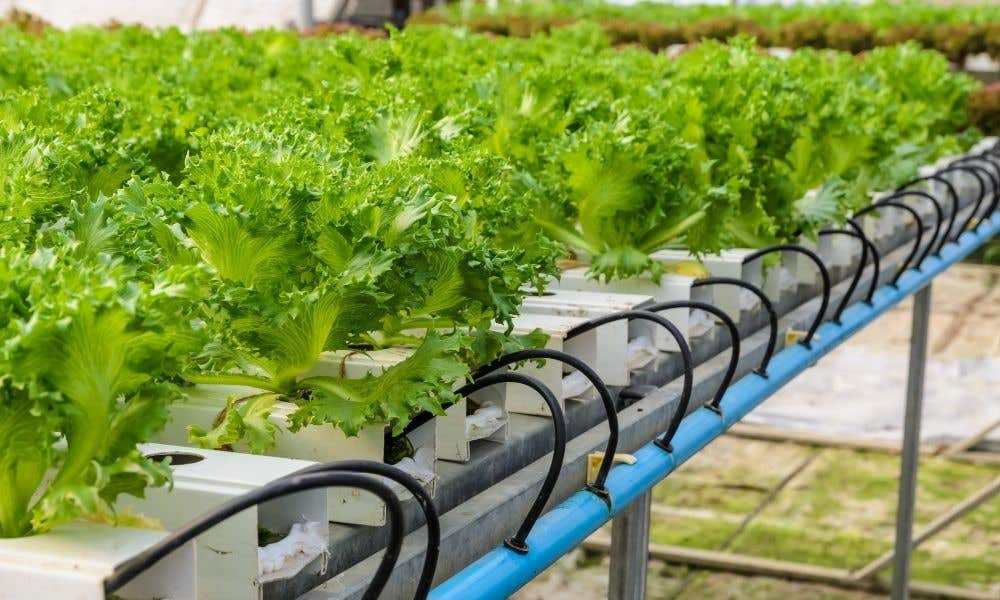
Flooding and Draining: The Cycle That Feeds Your Plants
The name "ebb and flow" perfectly captures what this system does. On a timed cycle, nutrient-rich water is pumped into your growing containers, flooding the root zone with everything plants need to thrive. Then, just as naturally, that water recedes — draining completely back into the reservoir below.
This rhythm of saturation and dry-out is what makes the system so powerful. Because there's no absorbent soil to hold onto moisture, nutrients travel directly to the roots and return to the basin, ready to cycle again. The pump keeps things moving until the roots have had their fill — then the rest of the process takes care of itself.
How often that cycle repeats depends entirely on the plants you're growing. Some varieties are thirsty and need several watering cycles throughout the day. Others are more self-sufficient. Paying close attention to what you're growing is the key to dialling in the perfect schedule.
The Grow Medium — The Invisible Engine
While the tubing, reservoir, and pump are the visible parts of an ebb and flow system, the real magic happens where you can't see it — inside the grow medium. Without the right medium, water would pool around the roots rather than drain cleanly away. That stagnant moisture creates the perfect conditions for root rot, which can devastate an entire crop quickly.
Hydroponic grow mediums — whether rockwool, clay pebbles, or coco coir — are specifically designed not to hold moisture. Instead of retaining water, they allow nutrients to pass through to the roots and excess liquid to drain back into the system. That same medium also gives roots a physical structure to anchor themselves in, threading through tiny gaps and channels as the plant grows.
The compatibility of grow mediums with an ebb and flow system is one of its biggest advantages. Rockwool cubes, expanded clay, coco fibre — they all work seamlessly within this framework. And when you pair any of them with an automated timer, you get a hands-off growing system that delivers consistent results every single cycle.
How the System Works — Step by Step
Even though the results are impressive, the actual operation of an ebb and flow system is refreshingly straightforward. Here's the basic cycle broken down:
-
1
The timer triggers the pump — at scheduled intervals, your pump activates and pushes nutrient solution up from the reservoir into the growing tray or containers.
-
2
The root zone floods — nutrient-rich water rises to a set level, completely saturating the grow medium and delivering water, oxygen, and nutrients directly to plant roots.
-
3
Gravity does the rest — once the pump switches off, the solution drains naturally back into the reservoir. The roots are left in a moist but airy environment — ideal for growth.
-
4
The cycle repeats — depending on your plant type and stage of growth, this process repeats multiple times per day, keeping your crops consistently fed and hydrated without waterlogging.
Why Ebb & Flow Works for Every Grower
Whether you're growing a small herb garden on a balcony or running a serious multi-plant setup, the ebb and flow system adapts to your scale. It works without soil, without guesswork, and without constant manual attention. Pair it with an automated timer and a quality grow medium, and you've got a system that practically runs itself — delivering consistent results every single cycle.
Choosing the Right System for Your Setup
The beauty of ebb and flow hydroponics is that it scales beautifully. A compact 12-site system is perfect for home growers experimenting with herbs, vegetables, and leafy greens for the first time. The same core principles that make small systems thrive apply directly to larger commercial setups — so your skills and knowledge grow alongside your garden.
When selecting an ebb and flow system, look for one that integrates easily with automated controls, uses durable components, and accommodates the grow medium of your choice. A well-designed system will let you focus on the plants themselves, not the plumbing.
Automated Cycling
Timer-controlled pump cycles mean your plants get fed on schedule — even when you're not around. Set it and let the system do the work.
Medium Flexibility
Compatible with rockwool, clay pebbles, coco coir and more — choose the grow medium that suits your plant type and style.
Efficient Nutrient Use
Nutrients are continuously recirculated through the reservoir, reducing waste and keeping your solution fresh and balanced.