

Industrial food processors are the workhorses of every serious commercial kitchen. Whether you're running a bustling restaurant, a catering operation, or a food production facility, choosing the right machine can dramatically streamline your workflow, reduce labor costs, and ensure consistent results across every batch — every single time.
Why Think Seriously About an Industrial Food Processor?
The demands placed on professional kitchens are worlds apart from home cooking. Volume, speed, and consistency are non-negotiable. An industrial food processor is engineered to handle continuous, high-volume processing without overheating, jamming, or sacrificing output quality. From slicing firm root vegetables to emulsifying large batches of sauces, these machines are purpose-built for punishment.
Beyond raw power, today's commercial food processors integrate smart bowl designs, interchangeable cutting discs, variable speed control, and safety interlocks that keep operations compliant and workers protected. Investing wisely in the right unit pays
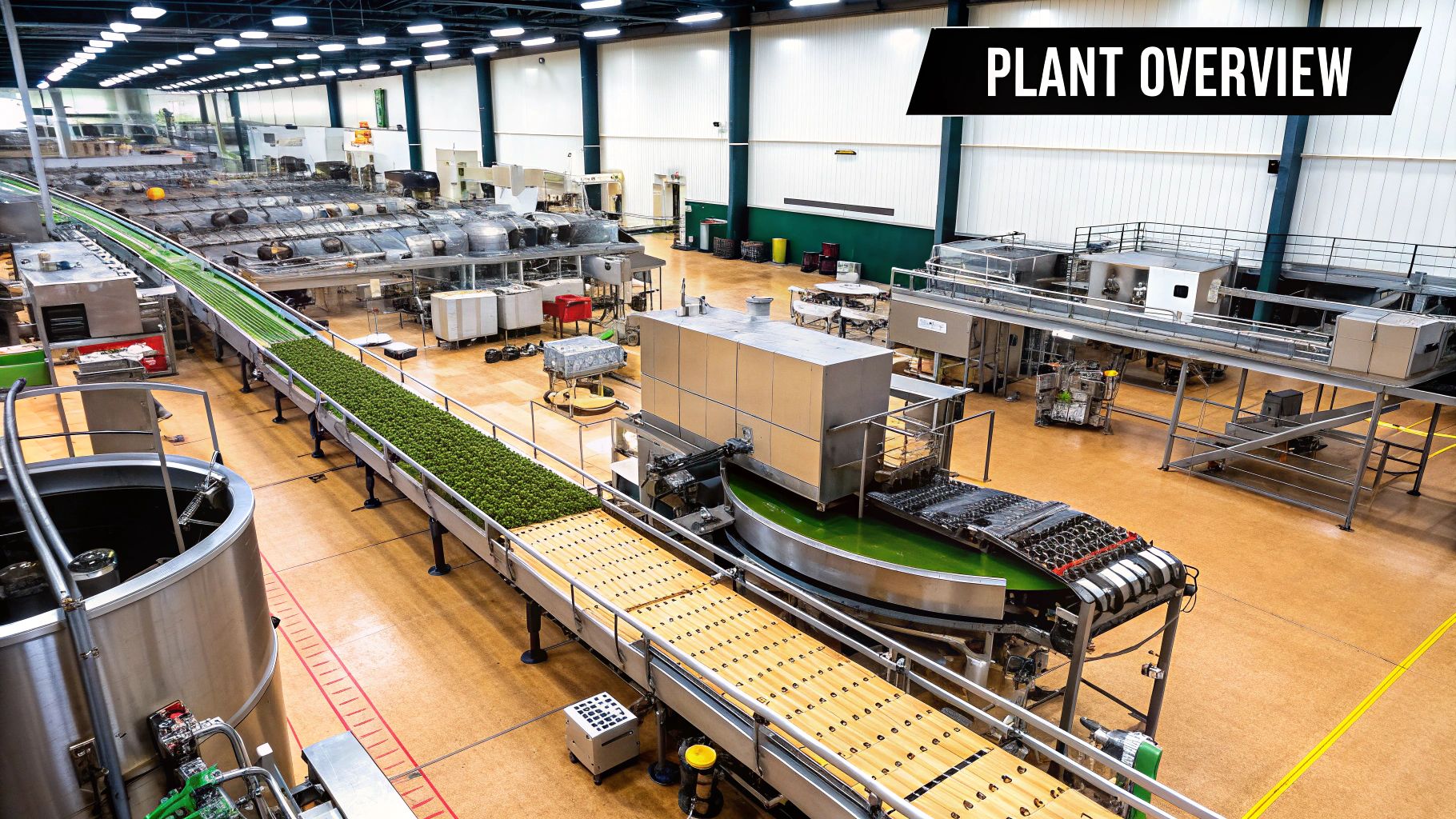
The Effect on Labor and Safety
Manual chopping, dicing, and mixing in high-volume environments exposes kitchen staff to repetitive strain injuries and inconsistent knife-work quality. Industrial processors take on these repetitive burdens, freeing your team to focus on higher-skill preparation tasks. The result is a safer, more productive kitchen floor where human effort is applied where it truly counts.
Labor Savings
A single industrial unit can replace hours of hand-preparation daily. Tasks that take a prep cook 45 minutes — julienning carrots, slicing cucumbers, chopping onions — are executed in minutes with precise, repeatable results.
Workplace Safety
Modern machines feature blade guards, bowl interlocks, and emergency stop mechanisms. Reducing manual cutting dramatically lowers the risk of lacerations and repetitive-motion injuries in your facility.
Understanding the Different Types of Food Processors
Not every commercial processor is designed for every task. Matching the machine type to your primary application is the single most important buying decision you'll make. Here's a breakdown of the major categories:
Bowl-Type Processors
The most versatile category. Ideal for chopping, mixing, pureeing, and kneading. Bowl capacities range from 3 to 60+ quarts for large batch production.
Continuous Feed Processors
Designed for relentless slicing and shredding. Food enters through a chute and exits into a collection bin — perfect for high-throughput prep work without stopping to empty a bowl.
Vertical Cutter Mixers (VCM)
Powerhouse units that combine cutting and mixing in a single vertical bowl. Exceptional for emulsifications, fine purees, and processing large volumes of meat or vegetables at speed.
Combination Units
Multi-function platforms that consolidate slicing, dicing, grating, and blending into one footprint. Ideal when counter space is limited but processing
Continuous Feed Processors: The Volume Edge
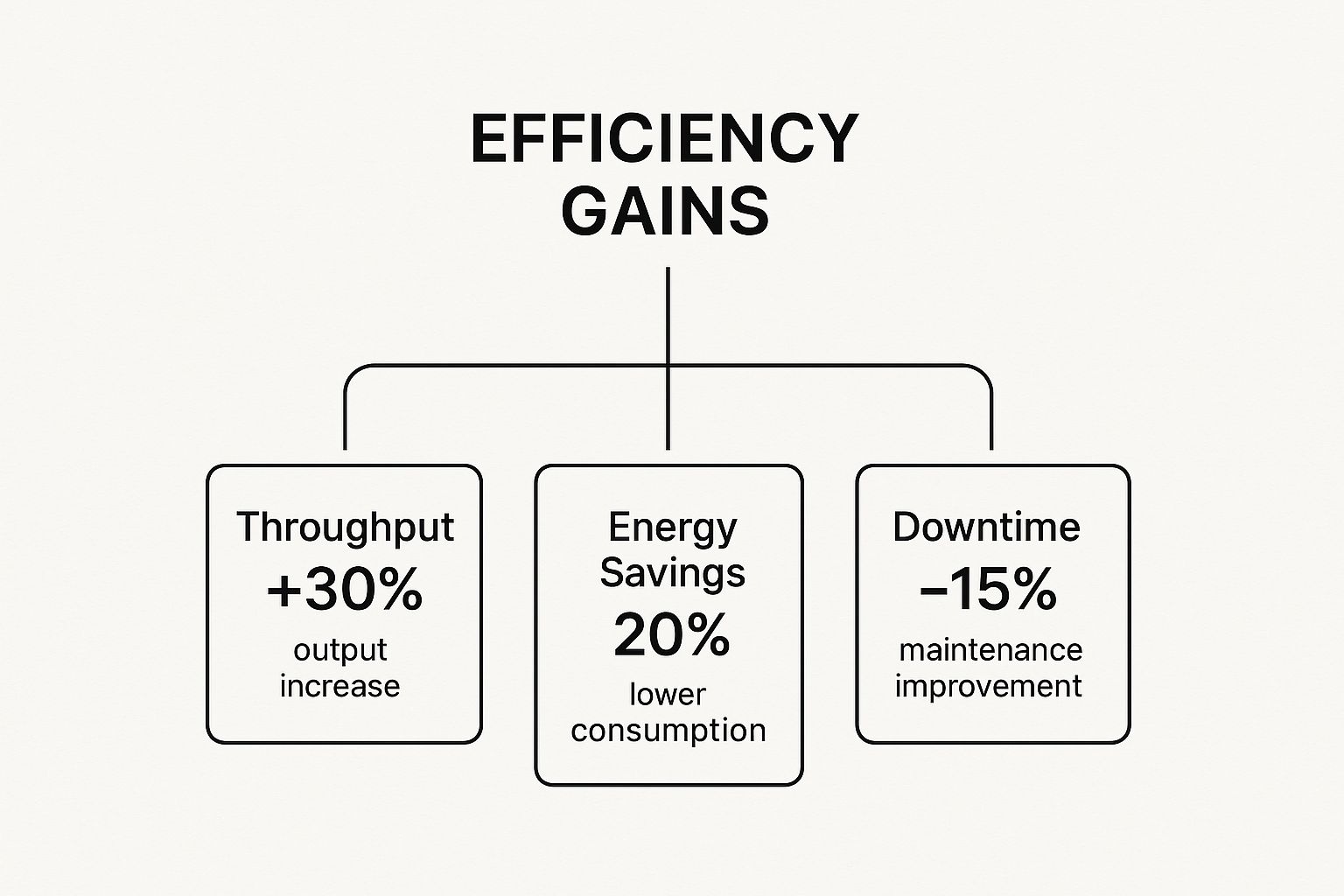
For kitchens that produce enormous quantities of sliced or shredded ingredients daily, continuous feed processors are unmatched in efficiency. Unlike bowl-type processors that require emptying between batches, continuous feed machines expel processed product in a constant stream — so your line never stalls.
These units excel at processing dense produce like cabbages, beets, potatoes, and carrots at rates that would exhaust a prep team. The key performance indicators to evaluate are disc rotation speed (RPM), chute diameter, and the range of cutting discs available for the model.
A wider feed chute reduces pre-cutting of large vegetables before processing, saving significant prep time. Always evaluate chute diameter against the typical size of your most common ingredients before purchasing.
A Quick Comparison of Industrial Food Processor Types
| Processor Type | Primary Use | Capacity Range | Best For |
|---|---|---|---|
| Bowl-Type | Chop, mix, puree, knead | 3 – 60+ qt | General prep, sauces, doughs |
| Continuous Feed | Slice, shred, grate | High-throughput | High-volume vegetable prep |
| Vertical Cutter Mixer | Cut, blend, emulsify | 15 – 80 qt | Purees, meat processing, emulsions |
| Combination Unit | Slice, dice, grate, blend | Variable | Space-limited kitchens needing versatility |
Additional Features: The Critical Differentiators
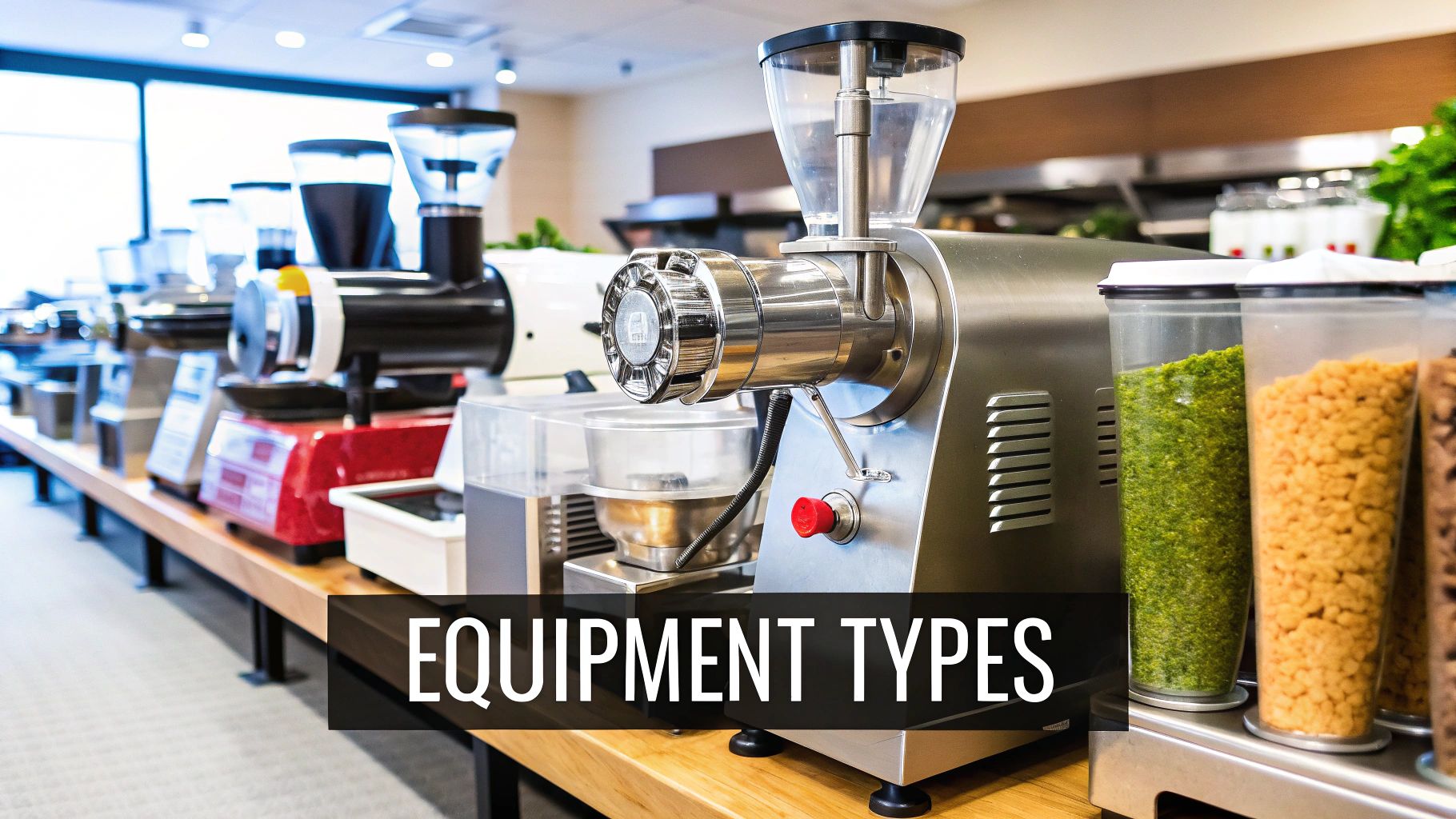
Once you've identified the processor type that fits your operation, the details that separate adequate machines from exceptional ones come down to build quality, motor specifications, and the accessory ecosystem. Here's what to scrutinize:
Must-Have Features for Serious Processors
The Commercial-Grade Motor
Industrial processors run for extended periods, often for multiple shifts per day. A motor rated for continuous-duty operation — rather than intermittent-duty — is a non-negotiable specification. Look for units with thermally protected motors that shut down before damage occurs, then automatically reset. Variable speed motors add another dimension of control for delicate ingredients that require gentle processing versus dense items that benefit from full power.
Durability and Construction Quality
The bowl and housing should be constructed from heavy-gauge stainless steel or NSF-approved commercial-grade polymers. Stainless steel bowls resist odor absorption, staining, and bacterial harboring — especially important for facilities subject to health inspections. Metal gearboxes outperform plastic drive assemblies when the machine is subjected to years of high-load operation.
Processor Feats and Attachments
- Interchangeable Discs: A broad range of slicing, dicing, grating, and julienne discs multiplies the machine's versatility without adding equipment to your kitchen.
- Pulse Function: Momentary pulse control gives operators precision for coarse chops and prevents over-processing delicate herbs or soft produce.
- Scraper Blades: Self-cleaning bowl scraper attachments minimize manual intervention and keep product moving efficiently through each cycle.
- Locking Lids: Secure bowl lids with fail-safe interlocks prevent operation unless the assembly is properly closed — critical for operator safety and regulatory compliance.
- Suction-Cup Feet / Bolt-Down Base: Stability during high-load processing prevents machine walk, vibration damage to countertops, and safety incidents.
The Checklist: Keys to an Elite Quality Investment
Deciphering the Motor and its Specifications
Motor horsepower ratings published by manufacturers can be deceptive. Always verify whether the HP listed is peak (momentary maximum) or continuous-duty output. For professional environments, continuous-duty ratings tell the true story. A 3 HP continuous-duty motor outperforms a 5 HP peak-rated unit when you need extended processing runs without rest cycles.
Auditing After-Purchase and Warranty Terms
Industrial equipment warranties vary enormously. A comprehensive warranty should cover the motor separately from parts, with clear language on labor costs. Inquire whether the manufacturer has authorized service centers in your region — a machine under warranty is worthless if the nearest authorized technician is hundreds of miles away. Factor in total cost of ownership over the warranty period, not just the sticker price.
Reviewing Product Reviews and Brand Reputation
Peer reviews from working professionals carry more weight than manufacturer specifications. Prioritize platforms where verified purchasers document real-world long-term performance. Look specifically for commentary on reliability after 12–24 months of heavy use, parts availability, and the responsiveness of the manufacturer's customer service team when problems arise.
The most cost-effective processors aren't always the cheapest upfront. Factor in blade replacement costs, service interval requirements, and the average lifespan of competitive units in the same class. A reliable workhorse that lasts eight years with minimal service is far more economical than a budget unit replaced every two.
How to Choose the Right Processor for Your Kitchen
With dozens of models on the market spanning a wide price and capability range, narrowing your selection requires honest assessment of your kitchen's actual demands. Use this framework to guide your evaluation:
-
1Start With Your Daily Volume
Calculate the average quantity of processed ingredients your kitchen produces per service. Match that volume requirement to the processor capacity that handles peak demand without running continuously at maximum load.
-
2Assess Power and Capacity for Your Ingredients
Dense, hard ingredients like raw beets, frozen proteins, or firm cheeses demand higher horsepower. If your menu relies on these items, prioritize motor power and blade material over bowl capacity alone.
-
3Look Beyond the After-Sales Tips
Evaluate the total ecosystem: are replacement blades and discs readily available? Does the manufacturer offer training resources? Is there a service network in your area? Support infrastructure often determines the real-world value of a purchase.
-
4Essential Maintenance to Keep Your Investment
Commit to a regular maintenance schedule — daily blade inspection, weekly deep-cleaning of bowl assemblies, and periodic motor housing checks. Well-maintained machines consistently outlast neglected units by years and maintain NSF compliance for health inspections.
-
5Consider Installation Requirements
Larger industrial processors may require dedicated electrical circuits (208V/3-phase), floor mounting, and specific ventilation clearances. Confirm site requirements before purchase to avoid costly installation surprises.
Daily Cleaning and Sanitation Protocols
Industrial food processors are only as sanitary as their cleaning routines. In commercial environments, consistent sanitation is both a regulatory requirement and a food safety imperative. Break the cleaning protocol into two tiers:
After Every Use
Disassemble the bowl, lid, and blade assembly. Rinse immediately in warm water to prevent food from hardening. Wash with food-safe detergent, sanitize with an approved solution, and allow to air dry in a position that prevents moisture pooling.
Weekly Deep Clean
Remove and inspect all seals and gaskets for wear. Clean the motor housing exterior with a damp, non-abrasive cloth. Inspect the drive coupling for wear. Lubricate any friction points specified in the manufacturer's maintenance guide.
Identify and Remedy Common Operational Issues
Even well-maintained machines encounter operational issues. Blade dullness is the most frequent performance complaint — rotating or replacing cutting discs on a scheduled basis prevents gradual quality degradation that can go unnoticed until yield significantly drops. Motor overheating typically signals overloading or blocked ventilation; never bypass the thermal protection reset to continue operation before the root cause is resolved.
Common Questions We Get Answered
Bowl cutters are optimized specifically for fine chopping and emulsifying — particularly meats — at very high blade speeds. Commercial food processors are broader-purpose machines with a wider range of attachments for slicing, dicing, grating, and pureeing across diverse ingredient types. The right choice depends entirely on your primary processing application.
Blade replacement frequency depends on usage intensity and the hardness of ingredients processed. As a general guideline, inspect blades monthly and replace when visible edge wear affects cut quality. Processors handling frozen or very dense ingredients will require more frequent blade turnover than those used primarily on fresh produce.
Most commercial processors handle both, but performance characteristics differ. Wet processing (sauces, emulsions, pastes) benefits from sealed bowl designs and curved blade geometry that creates effective vortex mixing. Dry processing (breadcrumbs, spice blends) requires thorough bowl cleaning between applications to avoid cross-contamination of flavor compounds. Always verify the manufacturer's guidance for your specific machine.
Robot Coupe BLIXER 45 — Vertical Food Processor
with 47-Quart Stainless Steel Bowl
The BLIXER 45 is engineered for the demands of high-volume professional kitchens. With its massive 47-quart stainless steel bowl, continuous-duty motor, and precision vertical cutting system, it delivers consistent emulsifications, fine purees, and large-batch processing with minimal operator effort. Built to NSF standards and designed for years of demanding service.
BLIXER 45 – Shop NowLet Machines and Intelligent Investment Decisions Work for You
The right industrial food processor is one of the highest-leverage purchases a commercial kitchen can make. It multiplies output, standardizes quality, reduces physical labor burden, and — when properly maintained — delivers years of dependable service that pays for itself many times over.
Take the time to audit your volume requirements, ingredient profiles, space constraints, and budget before committing. Cross-reference manufacturer specifications with third-party reviews from working professionals in comparable operations. Prioritize proven brands with accessible service networks and a full accessory ecosystem.
When performance and reliability are non-negotiable, the investment in a premium-grade commercial processor is not a cost — it's a competitive advantage built into every service your kitchen delivers.