

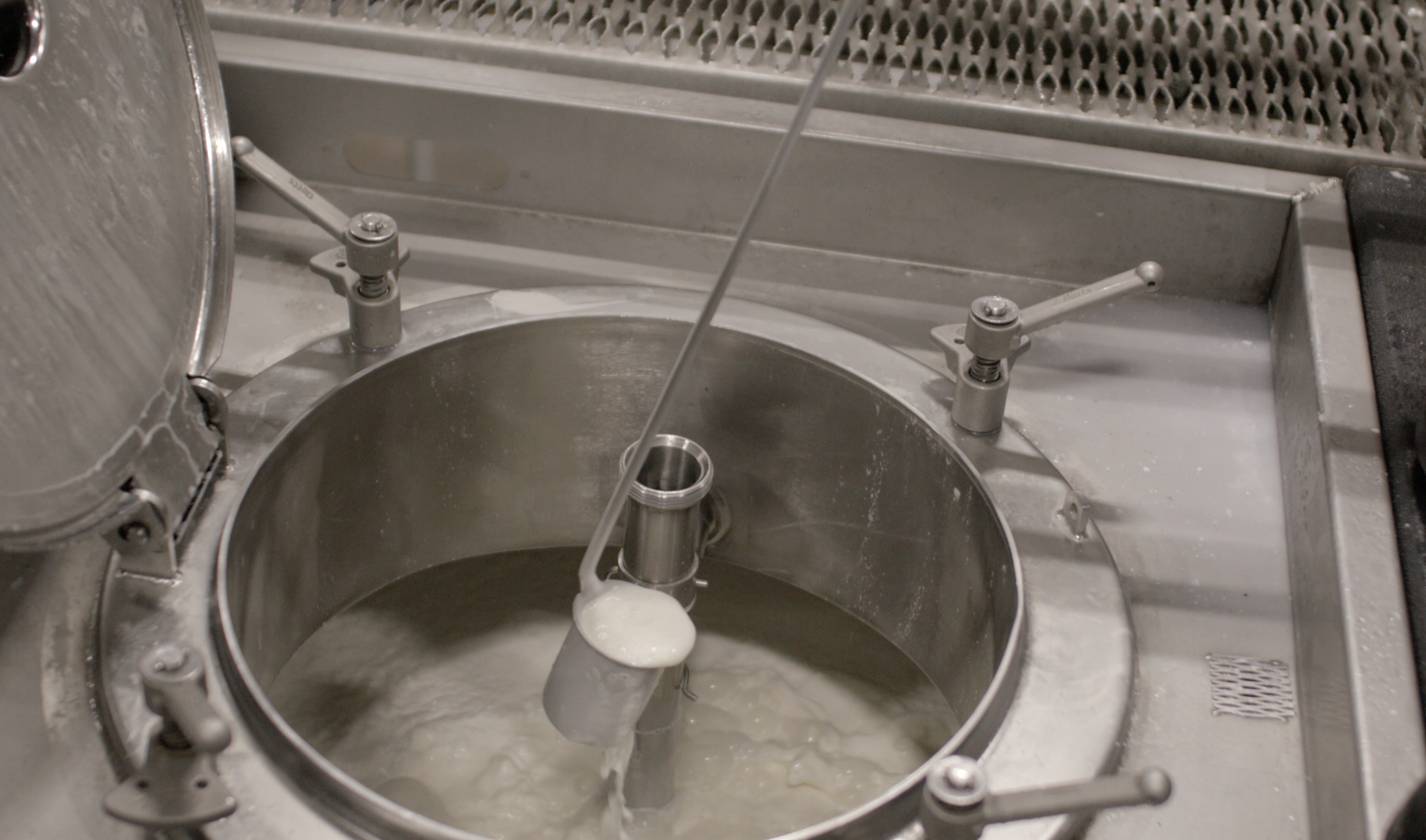
Pasteurization is a carefully controlled heat treatment designed to eliminate harmful bacteria — including Listeria, Salmonella, and E. coli — from fresh milk. Rather than sterilizing the milk entirely, the process brings bacteria down to levels considered safe for consumption, preserving the natural taste, texture, and nutritional integrity that make fresh milk worth drinking.
Types of Milk Pasteurization
Several methods exist for pasteurizing milk, each balancing heat intensity and time differently to suit various production environments and end uses.
High-Temperature, Short-Time
The most widely used method across commercial facilities. Milk is heated to 161°F and held there for a minimum of 15 seconds before being rapidly cooled. It's the industry standard for large-scale operations processing high volumes efficiently and consistently.
Low-Temperature, Long-Time
A gentler approach that heats milk to 145°F for a full 30 minutes. Preferred by small-batch artisan dairies and specialty processors who want maximum control over flavor and texture without the infrastructure demands of a high-speed line.
Ultra-High Temperature
Milk is flash-heated to 280°F for just a few seconds, rendering it shelf-stable for months without refrigeration. The tradeoff is a slightly different flavor profile — making UHT the go-to for single-serve packaging and markets where cold chain logistics are limited.
The Equipment That Makes It Happen
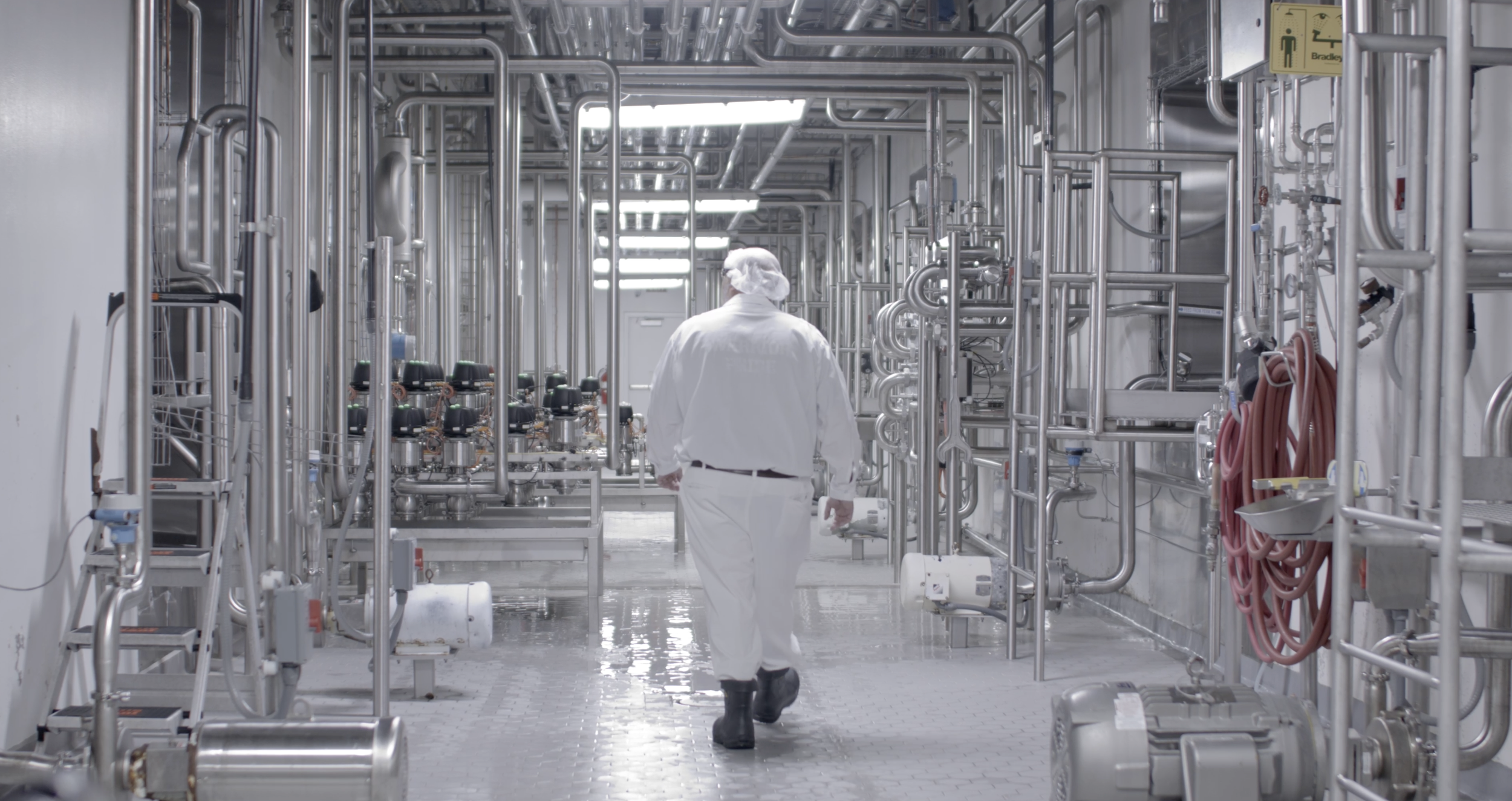
Behind every glass of safe, fresh milk is a purpose-built system of interconnected tanks, piping, and heat exchangers — each component playing a precise role.
-
Balance Tanks receive and hold raw milk at a controlled flow rate, ensuring consistent delivery into the processing line without surges or interruptions.
-
Heat Exchangers rapidly bring milk up to and down from target temperatures, making the process energy-efficient and fast without exposing milk to open-air contamination.
-
Holding Tubes maintain milk at the exact required temperature for the full prescribed duration — the critical window that guarantees pathogen reduction meets regulatory standards.
-
Flow Diversion Valves act as the system's safety net — automatically rerouting any milk that hasn't fully met the time and temperature parameters back through the process for retreatment.
A Walkthrough of the Pasteurization Process
From the moment raw milk arrives at a processing facility to the moment it's sealed and refrigerated, every step follows a strict, documented sequence.
-
1
Raw milk is received at the facility and transferred into a balance tank, where flow is regulated before entering the system.
-
2
Milk passes through the heat exchanger, where it is gradually pre-warmed using energy recovered from already-processed milk — an efficient first step.
-
3
Milk moves through the heating section and reaches the target temperature — 161°F for HTST, 145°F for VAT, or 280°F for UHT — depending on the system in use.
-
4
The milk is held at that temperature inside the holding tube for the full legally required duration — no shortcuts, no estimations.
-
5
Milk flows back through the heat exchanger and is rapidly cooled in a dedicated section, bringing it down to safe refrigeration temperatures.
-
6
A flow diversion valve verifies the batch meets all criteria. Any milk falling short is rerouted and reprocessed — not discarded.
-
7
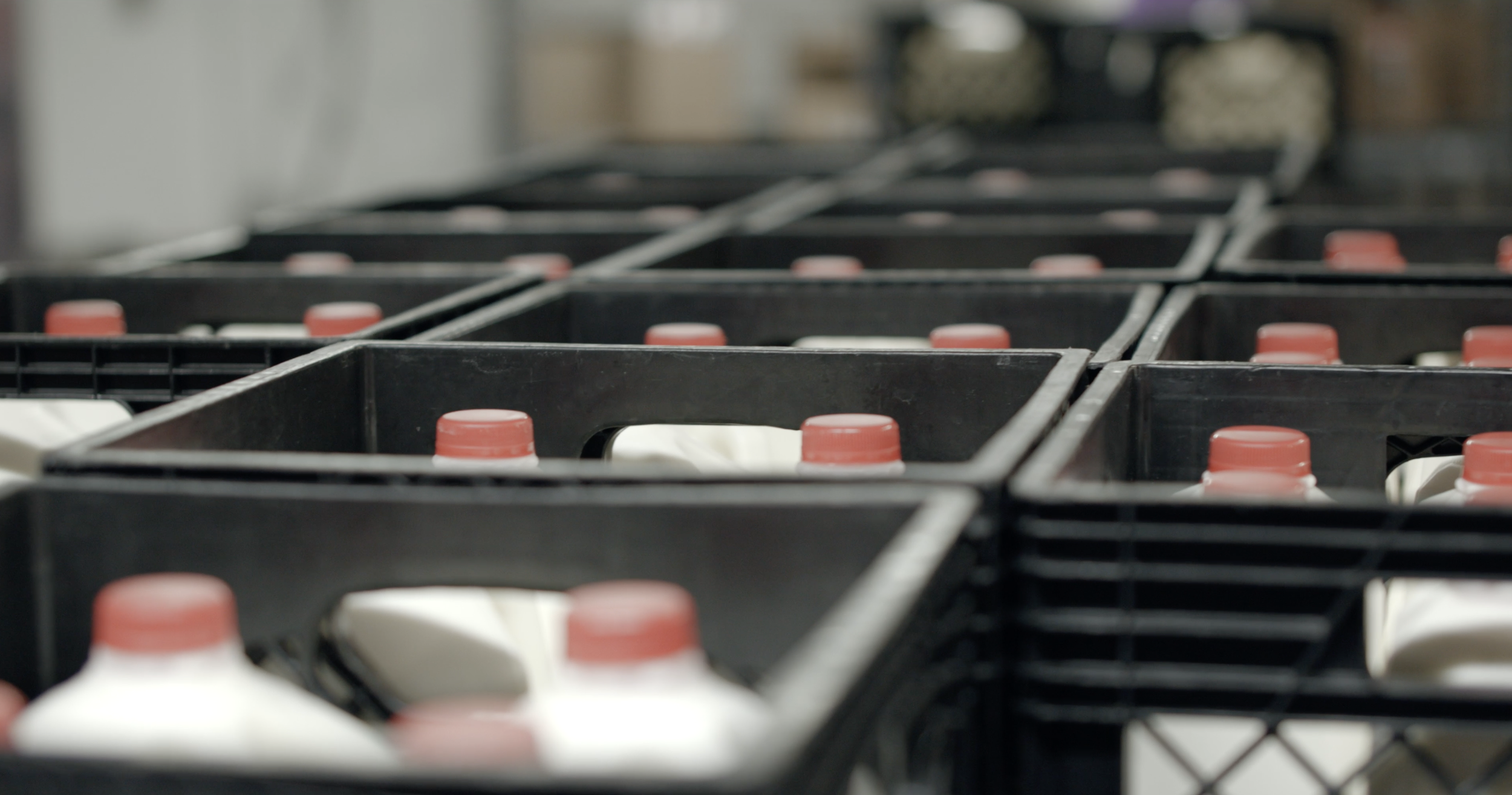
Approved milk is packaged, chilled, and dispatched — safe, fresh, and ready for delivery to families and businesses.
Why It's the Gold Standard
Pasteurization is mandated by law across the United States because it works — and it works without sacrificing what matters most about fresh milk. Dairy farms and processors committed to this process aren't just meeting a legal minimum; they're delivering a product that earns genuine consumer trust. Milk that's been properly pasteurized retains its nutritional value, its clean taste, and its natural freshness — backed by the science and accountability of a rigorously monitored production chain. If you're serious about safe, quality dairy at home, the right equipment makes all the difference.